Taking Children To A Māori Concert And Hāngī Evening
Rotorua's Māori cultural evenings welcome children, and each of the three dinner operators sets its own child ages, prices and practical limits. Here is what each operator states, and how to match an evening to your family.
Short answer
All three dinner evenings accept children. Mitai charges NZD 115.74 for ages 4 to 13 with the adult price from 14. Te Pā Tū charges NZD 125 per child in summer, NZD 115 in winter, with no minimum age published. Te Puia's Te Pō costs NZD 203 with under 4s free on the booking page; its child price is not stated.
Rotorua has three evening experiences that combine a Māori cultural performance with a dinner, and every one of them takes bookings for children. What differs, and what a parent actually needs to compare, is the small print each operator publishes: which ages pay the child price, what that price is in New Zealand dollars, how long the evening runs, and what the operator says about buggies, highchairs, forest walks and transfers. None of the operators publishes a formal "suitable for ages X and up" verdict, so this page does not hand one out either. It sets out what Te Pā Tū, Mitai Māori Village and Te Puia each state on their own pages, and leaves the judgement to the person who knows the child.
The short version: Mitai Māori Village is a family owned business whose child price covers ages 4 to 13, Te Pā Tū welcomes children at a seasonal child price without publishing a minimum age, and Te Puia's Te Pō evening lists under 4s as free on its booking page. Prices are the operators' own NZD figures and can change, so treat every number here as a starting point and confirm at booking. The sections below compare ages, prices, food, timing and comfort side by side, because those are the five things that decide whether a family books or browses on. If you are still choosing between venues generally, the guide to Rotorua Cultural Dinner options covers the full spread of evenings on one page.
What Each Operator Says About Children
All three operators mention children only in terms of price and age, and none publishes a minimum age. Mitai charges a child price for ages 4 to 13 with the adult price from 14, Te Pā Tū quotes a child price per season while welcoming children, and Te Puia lists under 4s as free for Te Pō; beyond these lines, nothing further is stated.
That last point matters more than it sounds. Parents often ask whether a cultural evening is "right" for a five year old or a toddler, and the honest answer is that the operators themselves do not make that call in print. Te Pā Tū says children are welcome, full stop. Mitai gives you an age band and a price and lets you decide. Te Puia gives you a free-under-4 line on its booking page and a child price it does not state, so families with children aged 4 and over should ask Te Puia directly what applies to their ages before booking.
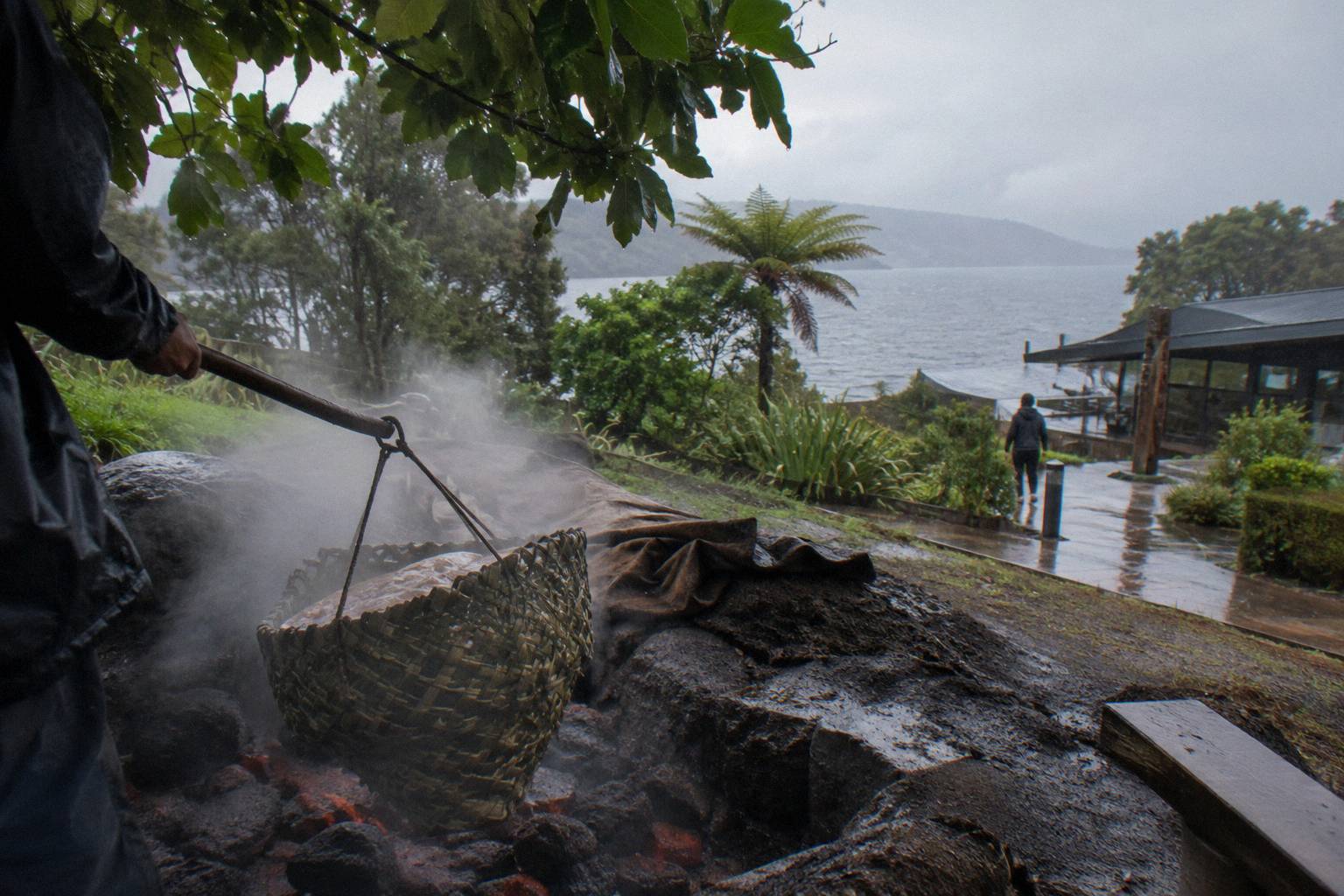
Practical child-related facts do exist, scattered across operator pages, and they are worth collecting in one place before you compare prices. Mitai states highchairs are limited and that complimentary transfers from registered accommodation must be booked and can close at capacity, two things that hit families harder than couples. Te Pā Tū's winter page says the evening is wheelchair and buggy accessible, which is the closest thing to a stroller statement any operator makes. Te Puia states free parking and a cashless site. The deeper background on each venue is in the guide to Māori village evenings in Rotorua, and the timing question has its own breakdown in how long a Māori cultural evening runs.
Child Ages And Prices, Operator By Operator
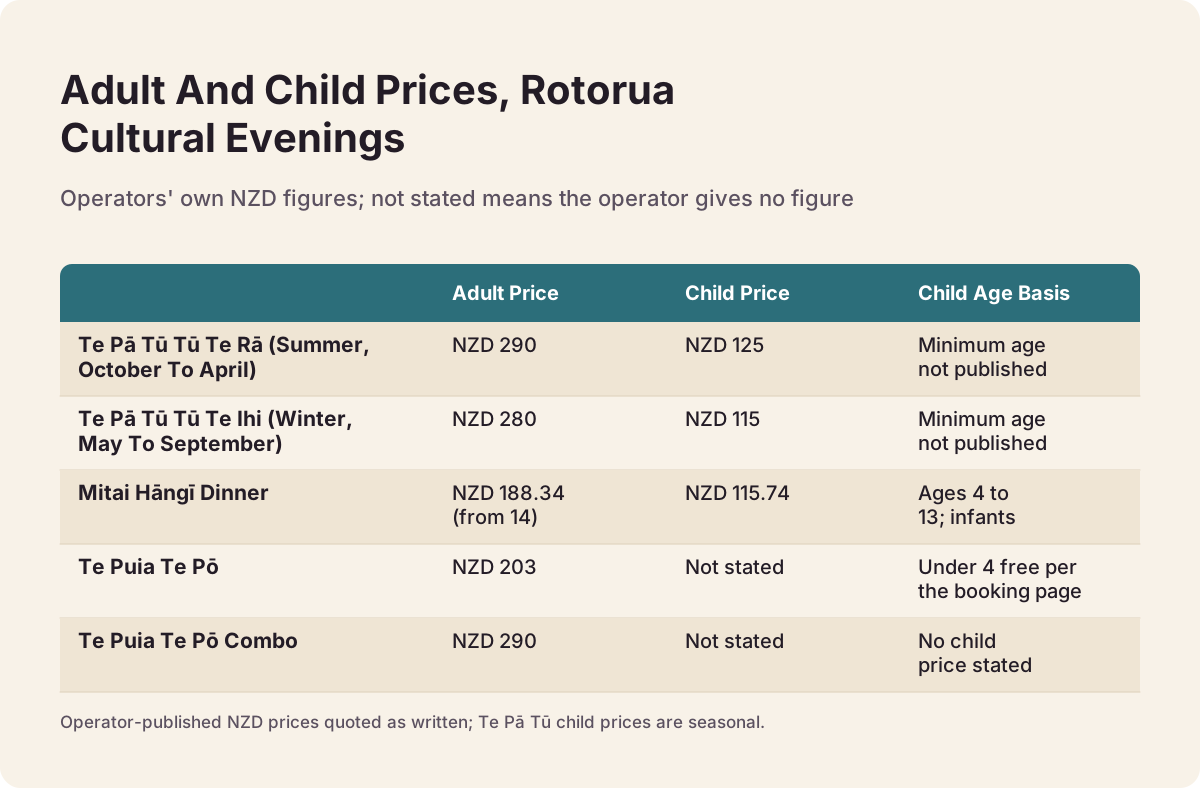
Mitai charges NZD 115.74 for children aged 4 to 13, with the price for infants 3 and under not shown and the adult fare of NZD 188.34 applying from age 14. Te Pā Tū charges NZD 125 per child in summer and NZD 115 in winter, while Te Puia's Te Pō evening is NZD 203 with under 4s free and its child price not stated. These are the operators' own NZD prices and can change.
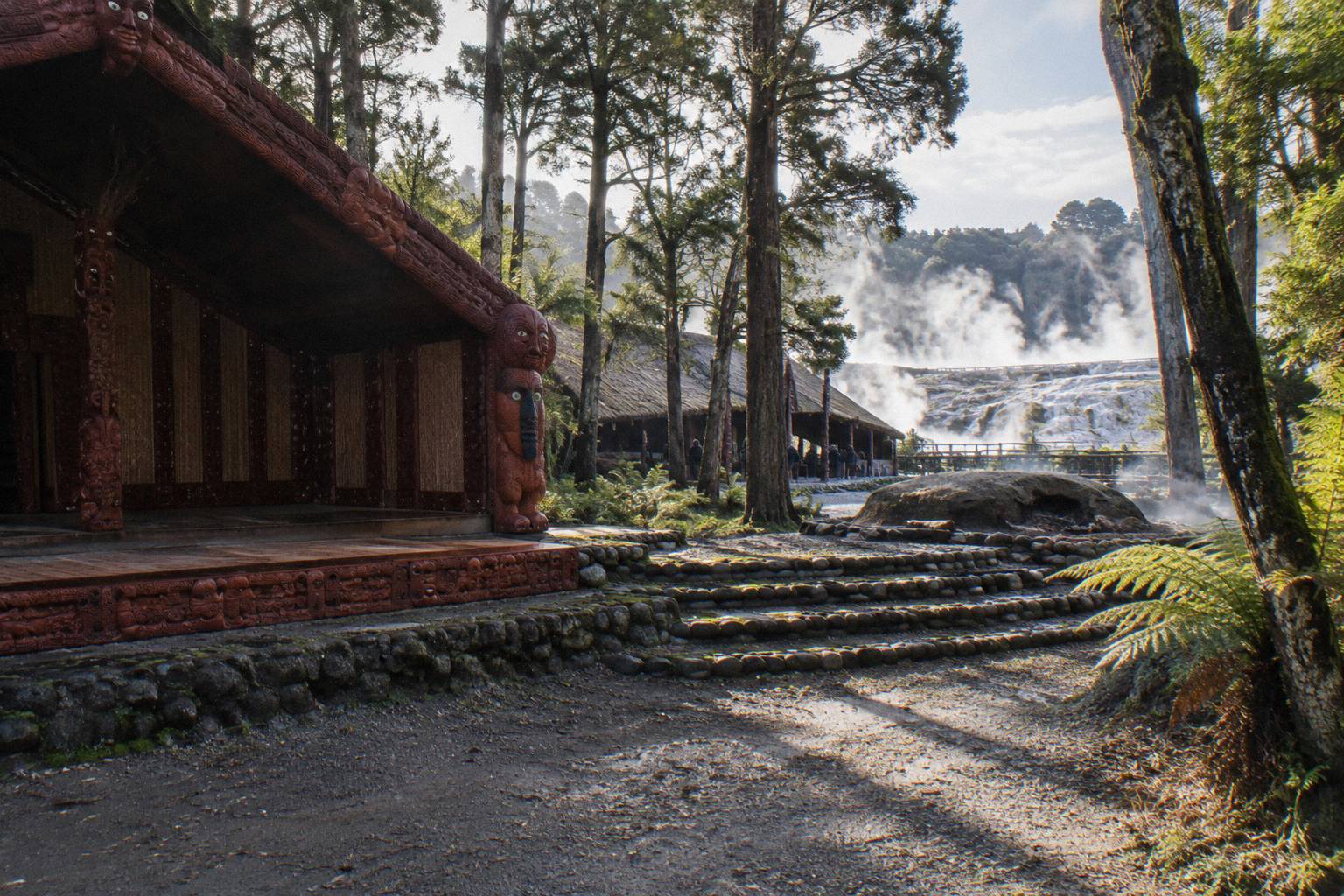
For a family of two adults and two children aged 6 and 9, the operator prices work out to two adult plus two child tickets at each venue, using each operator's own figures without any rounding or converting. The cents in Mitai's prices are the operator's own figures, written exactly as published. Where a cell says not stated, that is the operator's position, not an omission here: ask the operator before assuming. Contact details are public: Te Pā Tū on 0508 826 254 or bookings@maoriculture.co.nz, Mitai on +64 7 343 9132 or reservation@mitai.co.nz, and Te Puia through its own site.
| Evening | Adult price (operator) | Child price | Child age basis | Not stated |
|---|---|---|---|---|
| Te Pā Tū Tū Te Rā (summer, October to April) | NZD 290 | NZD 125 | Children welcome; minimum age not published | Start time; minimum child age |
| Te Pā Tū Tū Te Ihi (winter, May to September) | NZD 280 | NZD 115 | Children welcome; minimum age not published | Start time; minimum child age |
| Mitai Hāngī Dinner | NZD 188.34 (from 14) | NZD 115.74 | Ages 4 to 13; infants 3 and under price not shown | Start time; infant price |
| Te Puia Te Pō | NZD 203 | Not stated | Under 4 free per the booking page | Child price; dietary options |
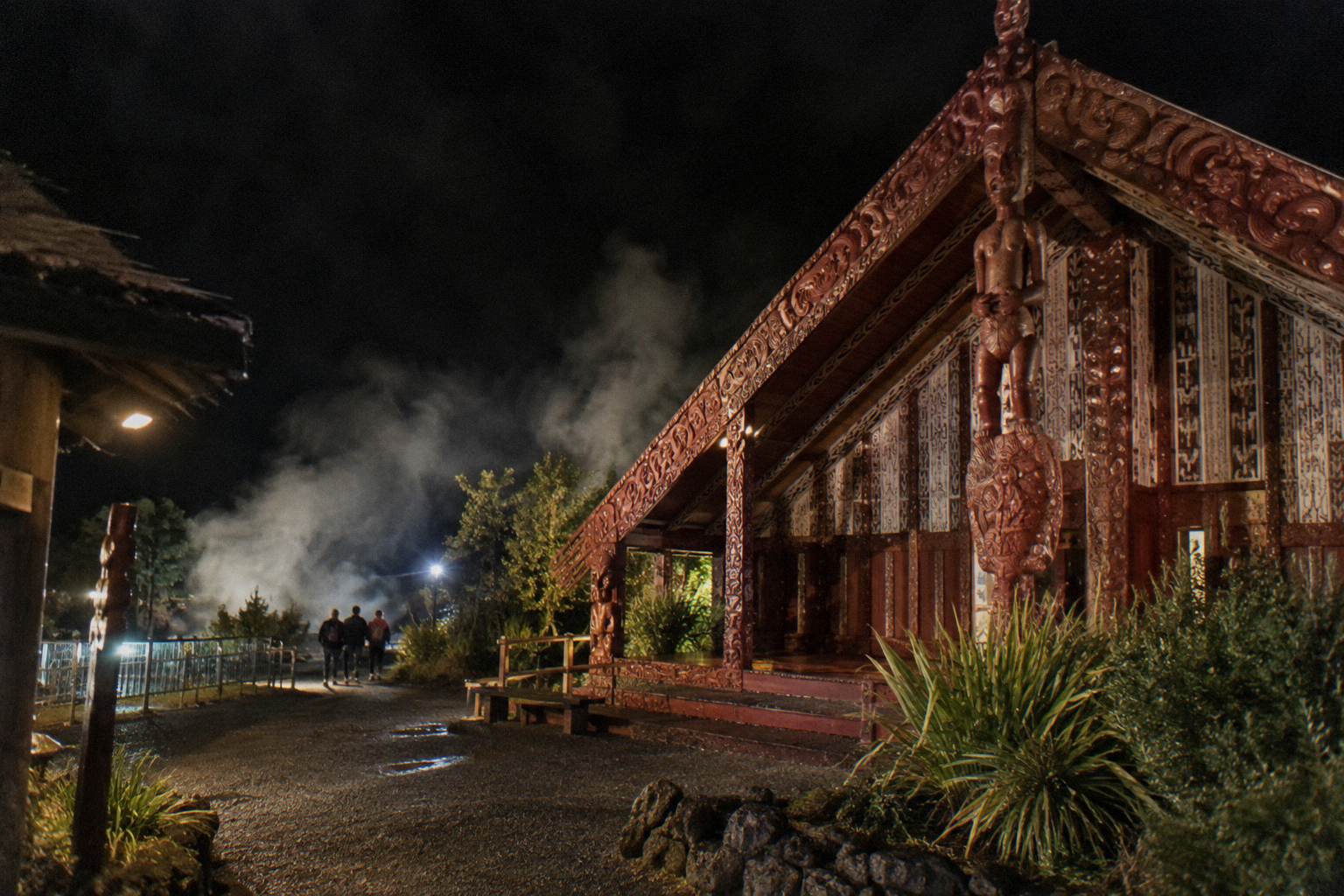
A worked example makes the differences concrete. Two adults and two children aged 8 and 11: at Mitai that is two tickets at NZD 188.34 and two at NZD 115.74, at the operator's prices. At Te Pā Tū in the summer season it is two at NZD 290 and two at NZD 125; in winter, two at NZD 280 and two at NZD 115. At Te Puia the adults are NZD 203 each and the children's price needs a direct question to the operator, since only the under 4 free line is published. Prices move, so read the final figure at checkout. The full pricing landscape, including family-relevant extras like Te Puia's Dinner plus Mārama at NZD 146, sits in what a Māori cultural evening costs.
Which Evening Suits Which Age Group
Mitai's evening runs about three hours and includes a bush walk with glow worms, and its child age band runs 4 to 13. Te Puia's Te Pō runs about 2.5 hours from 5:30pm, the shortest, with under 4s free. Te Pā Tū runs 3 hours in winter and 3.5 in summer, with transport included and buggies accommodated in winter. Duration, not content, is the only dimension the operators let you compare objectively for a child.
Start with bedtime arithmetic, because it is the one thing no operator can fix. Te Puia is the only evening with a published start: 5:30pm, with dinner sittings at 5:30pm and 7:15pm, finishing roughly 2.5 hours later. A family with a 6 year old who is asleep by 8pm is choosing between the early sitting and staying home; a family with teenagers has no constraint at all. Mitai and Te Pā Tū do not publish evening start times, so both require a question to the operator before you can judge the night against a bedtime. The practical detail of moving a family to each venue is covered in pickup and transport to Rotorua cultural evenings.
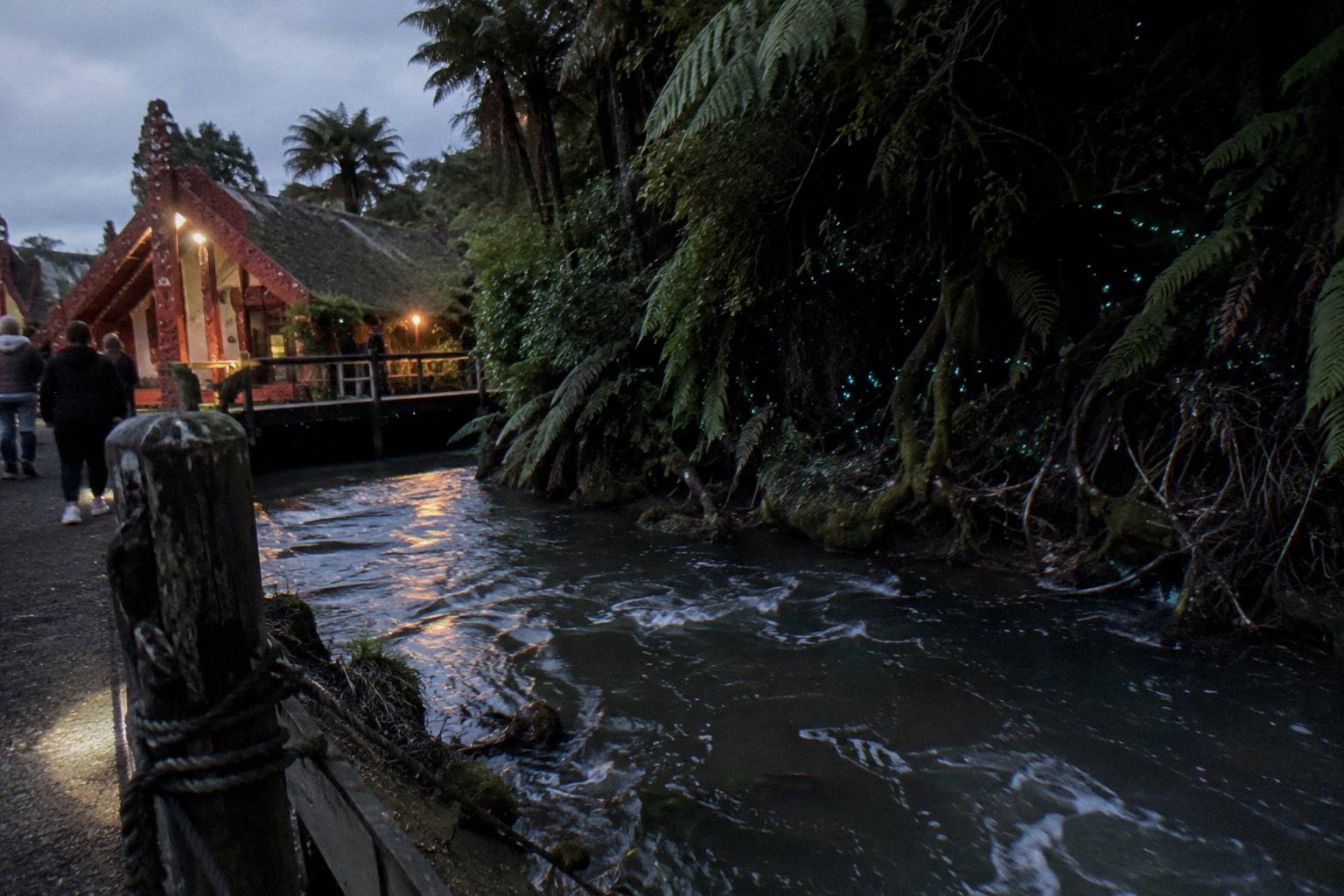
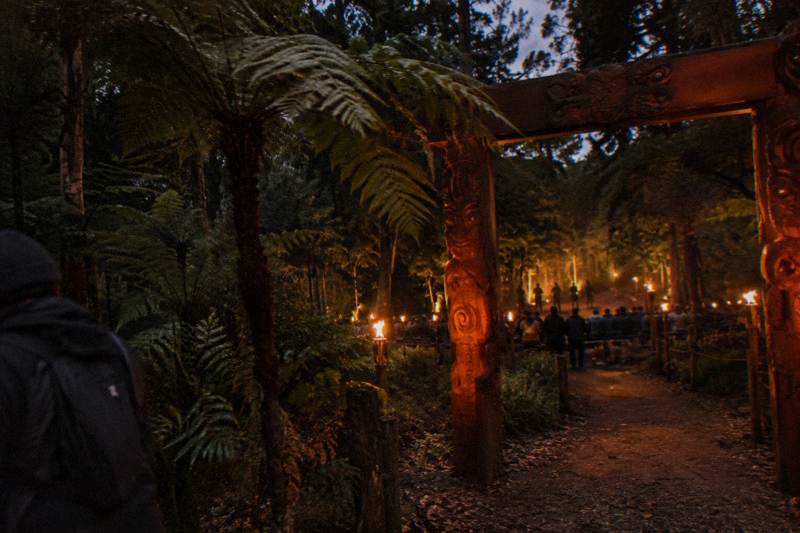
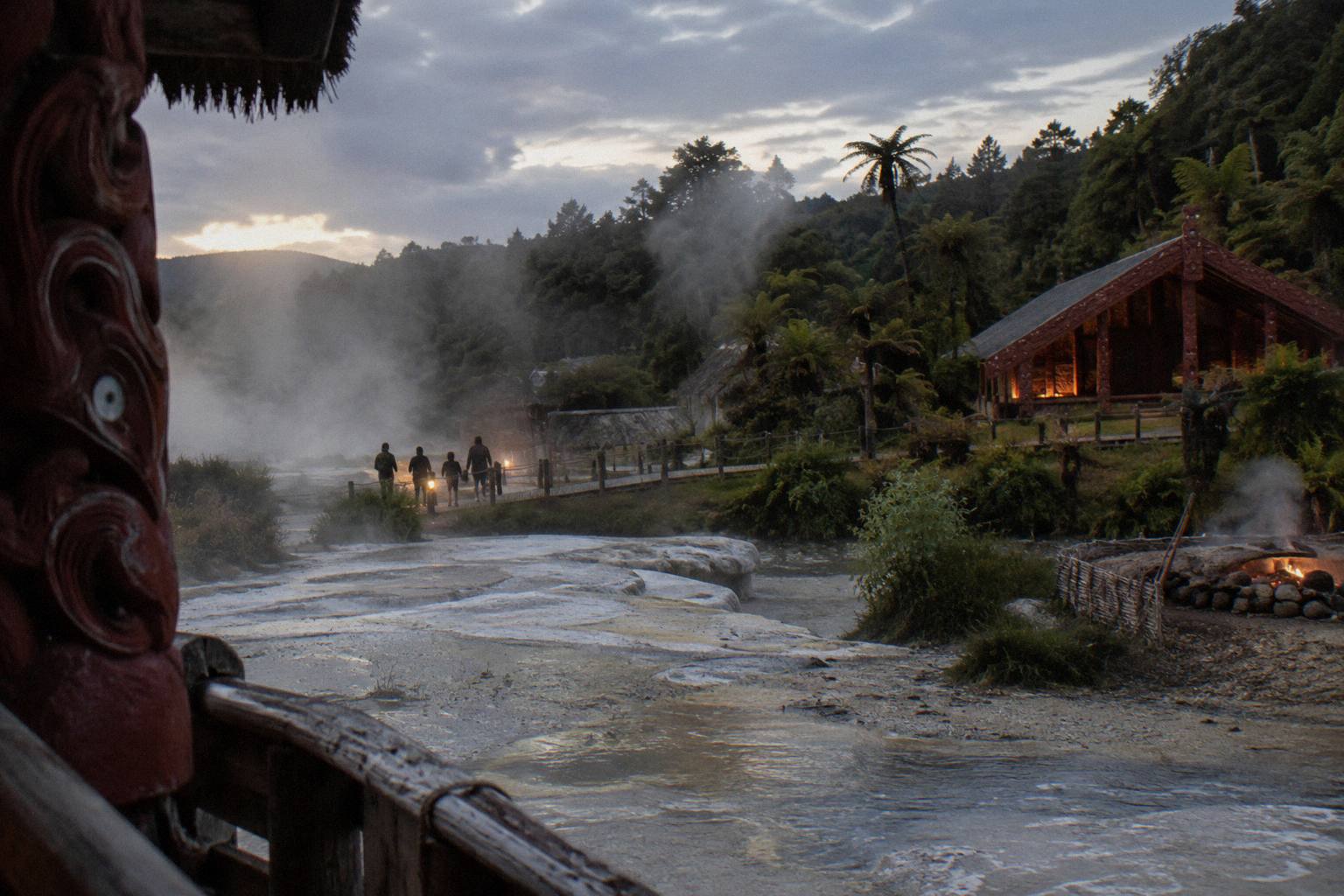
Then think about what each evening contains, strictly as the operators describe it. Mitai lists a welcoming ceremony, the hāngī unveiling, warriors paddling a waka down the Wai-o-Whiro Stream, a cultural performance of Pōwhiri, Wero, Waiata, Mōteatea, Poi and Haka, a buffet dinner, question time, and an evening bush walk to the old fortified village site and the sacred spring Te Puna Tapu o Tūhoe, with glow worms. Glow worms on a dark bush walk are a concrete, operator-stated draw for children. Te Puia's Te Pō lists a 45 minute performance of song and dance in the carved meeting house Te Aronui a Rua, hot chocolate on the geyser terrace and a hāngī buffet with valley views; hot chocolate and a geyser terrace are its child-facing anchors. Te Pā Tū describes kapahaka, forest canapés, a three course feast in summer and a fireside wānanga with a Matariki inspired fusion feast in winter. None of that tells you a child will enjoy it; it tells you what is on the programme.
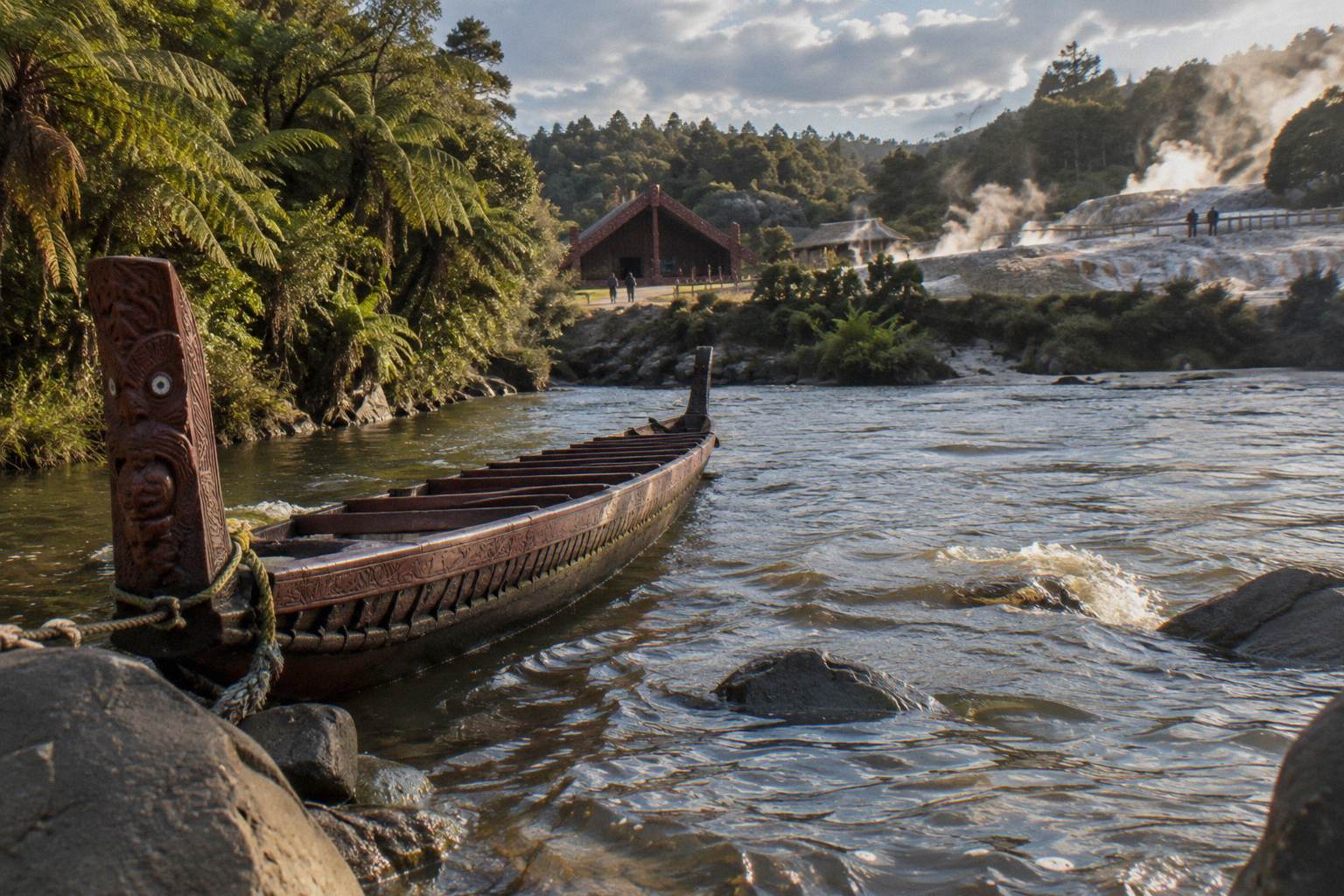
Finally, weigh the formats honestly. The Te Puia Te Pō Combo adds a 90 minute guided valley tour before dinner and runs about 4 to 4.5 hours from 4pm, at NZD 290, and while the operator calls it "our most popular night experience" in its own words, it has no rating stated and no child price stated, making it the hardest to book blind with children. The evening-only Te Pō at NZD 203 is the easier family fit on paper. Mitai's cultural experience and dinner buffet sits between the two on duration at about three hours, and the operator's page labels its Hāngī Dinner "Most Popular", which is Mitai's own wording, not an independent ranking.
After the box: one more layer of choice exists for younger children at Te Puia. The Mārama Geyser Light Trail is NZD 49, about 60 minutes on a 1.5 km walk, all weather, and the operator states children are welcome; Dinner plus Mārama is NZD 146. It is not a cultural performance with a dinner, but for a family unsure whether a full evening suits, it is a stated, child-welcoming night option at the same venue. Confirm current details on 2.5-Hour Hāngī Evening or ask Te Puia via its own site.
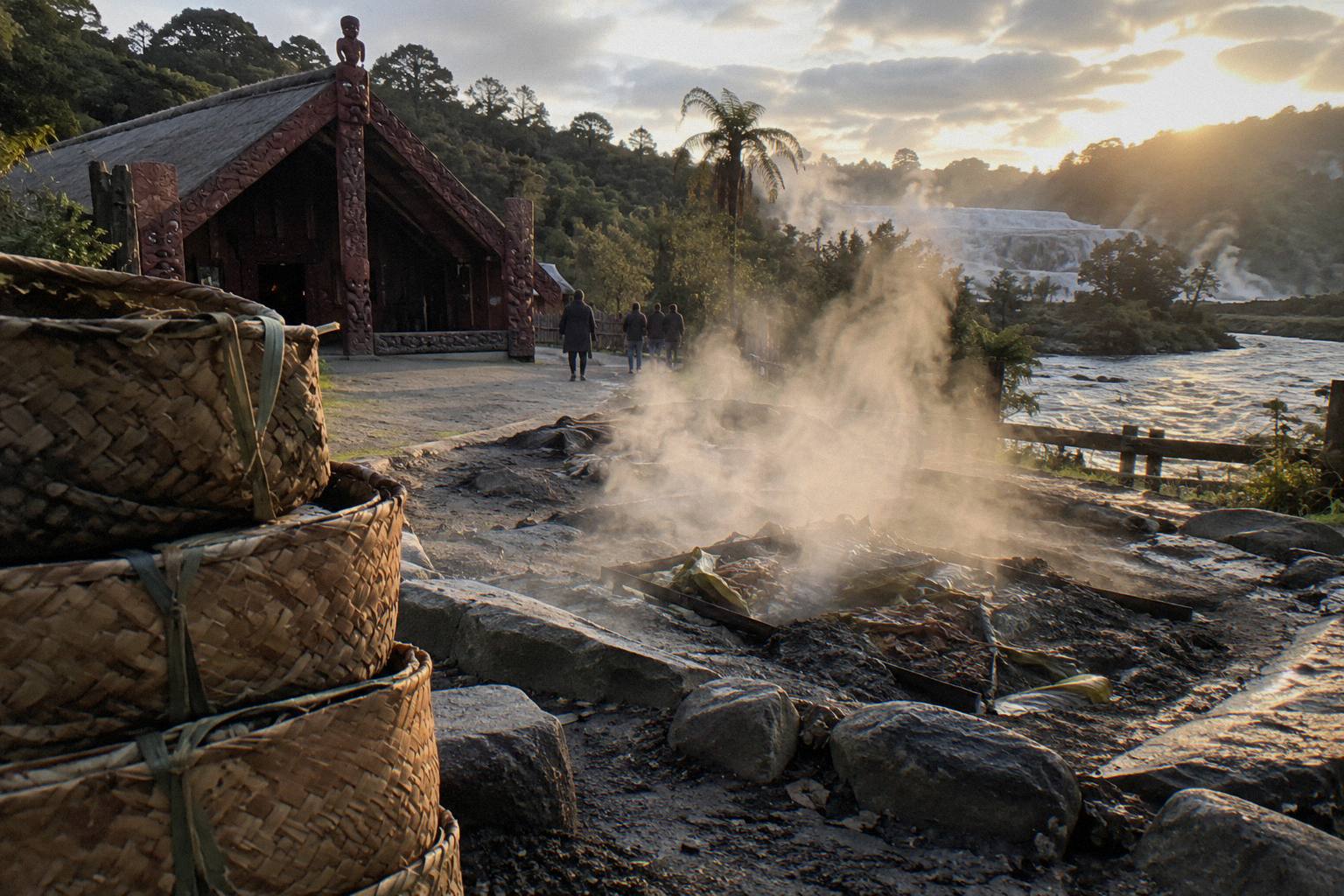
Food, Fussy Eaters And Dietary Needs At A Family Dinner
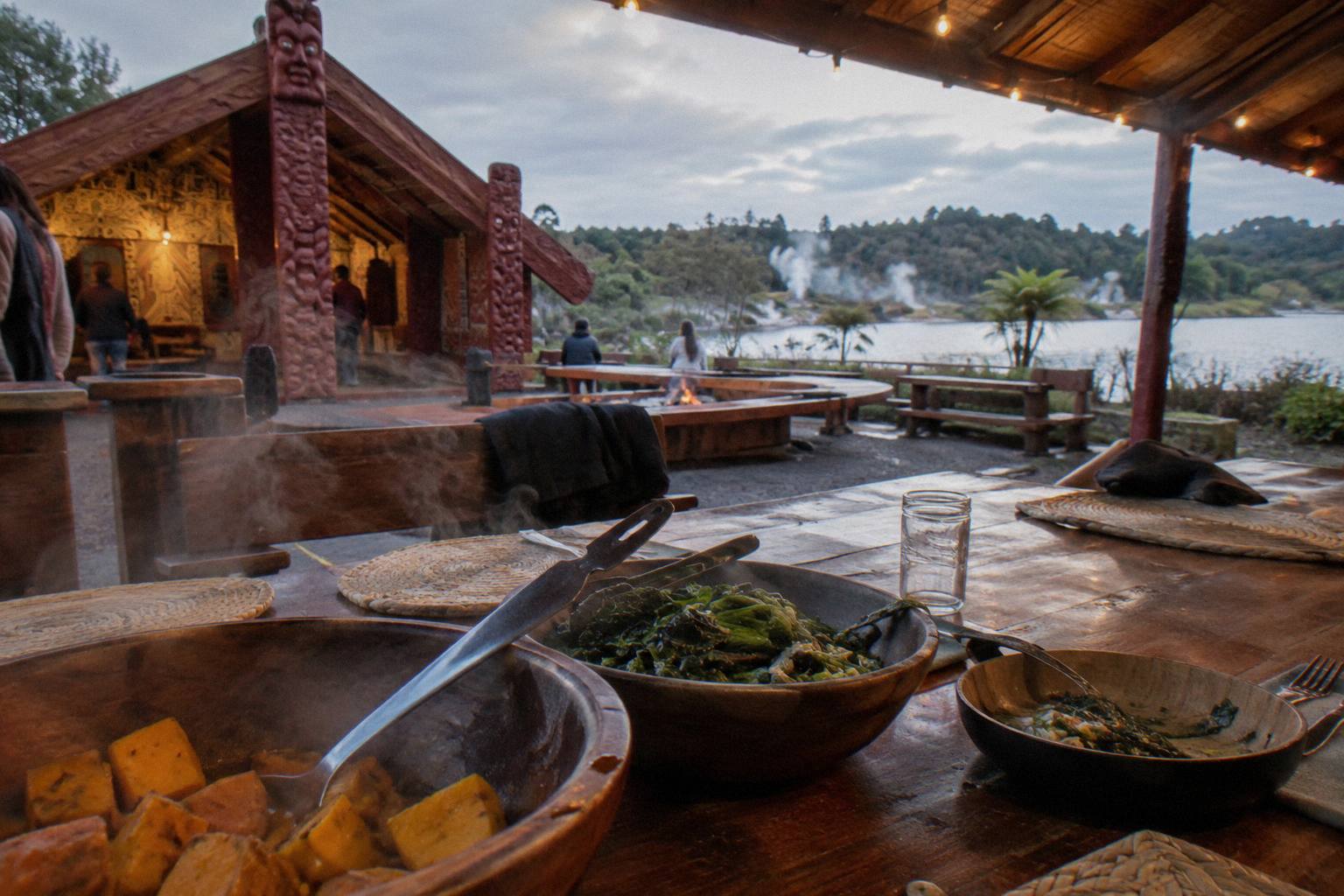
Mitai's full buffet hāngī dinner is the most forgiving format for fussy eaters, with meat, chicken and kūmara cooked in an earth oven 1 to 2 m deep for 3 to 4 hours, plus vegetables, salads and a dessert buffet. Te Pā Tū lists vegetarian, pescatarian and gluten free options for its three course seasonal summer feast or family style Matariki fusion feast in winter, while Te Puia serves a hāngī buffet but states no dietary options.
Buffet versus set menu is the real fork for a parent. A buffet lets a cautious child take the one thing they recognise; a three course seated feast does not, though Te Pā Tū's winter feast is served family style, which sits between the two. The operators' dietary statements are narrow and worth quoting exactly: Te Pā Tū's winter page lists vegetarian, pescatarian and gluten free and says it cannot guarantee coeliac safety, with vegan options not stated; Mitai says it is unable to cater to all dietary needs such as vegan, though some requests could be met; Te Puia states nothing on dietary options. The full picture is in vegetarian and dietary options at a hāngī dinner, and the food itself is unpacked in what food is served at a Rotorua hāngī.
| Evening | Food format (operator wording) | Dietary options stated | Child-relevant detail |
|---|---|---|---|
| Te Pā Tū summer | Forest kai horotai, three course seasonal feast in the wharekai | Winter page only: vegetarian, pescatarian, gluten free; coeliac safety not guaranteed | Canapés listed include kūmara crisp and root-vegetable croquette |
| Te Pā Tū winter | Matariki fusion feast, family style, in-ground hāngī lamb and vegetables | Vegetarian, pescatarian, gluten free; coeliac safety not guaranteed | Family style serving |
| Mitai Hāngī Dinner | Full buffet hāngī dinner, vegetables, salads, dessert buffet | Unable to cater to all dietary needs such as vegan; some requests could be met | Buffet format; highchairs limited |
| Te Puia Te Pō | Hāngī buffet in Pātaka Kai Restaurant and Bar | Not stated | Hot chocolate on the geyser terrace |
Whatever the evening, the instruction is the same and it is the one thing parents control: tell the operator at booking. Dietary requests made on arrival cannot retro-fit a hāngī that has been in the ground since mid afternoon. Beyond diet, Te Pā Tū runs a licensed bar with a Māori wine pairing and non-alcoholic pairings, and Mitai has a bar on site with outside alcohol not permitted, both stated by the operators. Nothing published anywhere promises a children's menu as such, so if a child will only eat one thing, that question goes to the operator before the card comes out.
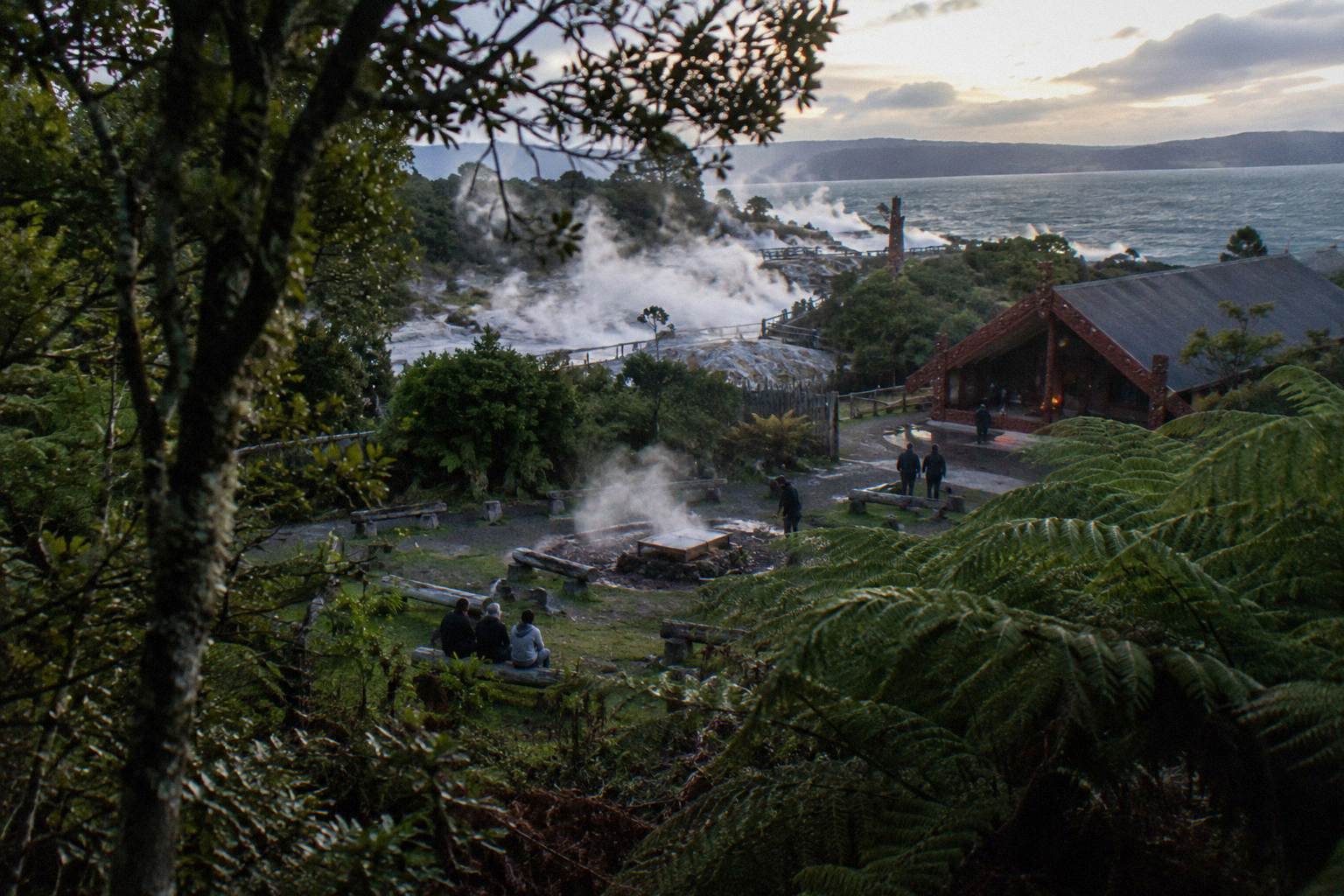
Timing, Transfers And Getting The Family Home
Transport is where family logistics bite hardest, and the three operators differ sharply. Te Pā Tū's included coach means no night driving and no car seat transfer problem, though the village itself is a forest pā a short coach ride south of central Rotorua and its address is deliberately not published, so you cannot drive yourselves even if you wanted to. Mitai's shuttle only works from registered accommodation, has limited numbers, must be booked in advance and closes at capacity: a family arriving by rental car uses the free on-site parking instead. Te Puia is self-arrival, with the operator noting the City Ride bus runs every 30 minutes until 6PM, and the last thing a parent wants is a bus that stops before dinner ends, so check the return leg.
| Evening | Duration (operator) | Published start time | Getting there with children | Getting home |
|---|---|---|---|---|
| Te Pā Tū Tū Te Rā | About 3.5 hours | Not stated | Included return coach from central Rotorua | Included coach |
| Te Pā Tū Tū Te Ihi | About 3 hours | Not stated | Included return coach from central Rotorua | Included coach |
| Mitai Hāngī Dinner | About 3 hours | Not stated | Booked transfer from registered accommodation, limited, or free on-site parking | Booked transfer or own car |
| Te Puia Te Pō | About 2.5 hours | From 5:30pm, sittings 5:30pm and 7:15pm | Self-arrival; City Ride bus every 30 minutes until 6PM, Uber, taxi, free parking | Own arrangement |
| Te Puia Te Pō Combo | About 4 to 4.5 hours | From 4pm | Self-arrival; free parking | Own arrangement |
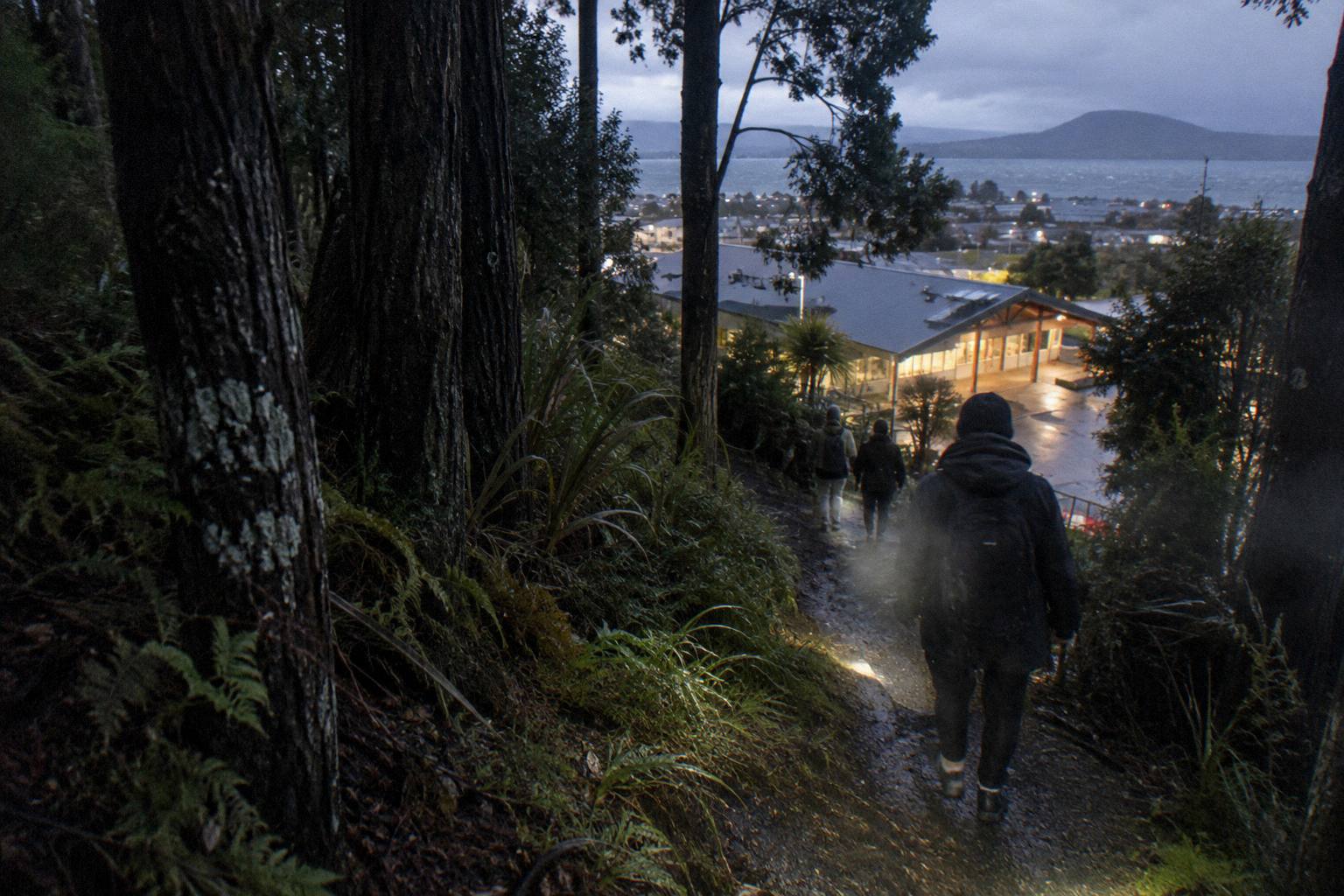
Duration, restated once because it belongs here: Te Puia Te Pō about 2.5 hours from 5:30pm, Mitai about 3 hours, Te Pā Tū 3 hours in winter and 3.5 in summer, and the Te Pō Combo 4 to 4.5 hours from 4pm. Te Pā Tū's own homepage says "four hours of celebration and feasting" while its product pages say 3.5 and 3, so quote per season when precision matters. Two operators publish no start time at all, Te Pā Tū and Mitai, so for both, the first question to ask when enquiring is what time the coach or evening begins, because no published bedtime comparison is possible without it. Booking early enough to secure a family's worth of seats is covered separately in booking a Māori cultural evening in advance.
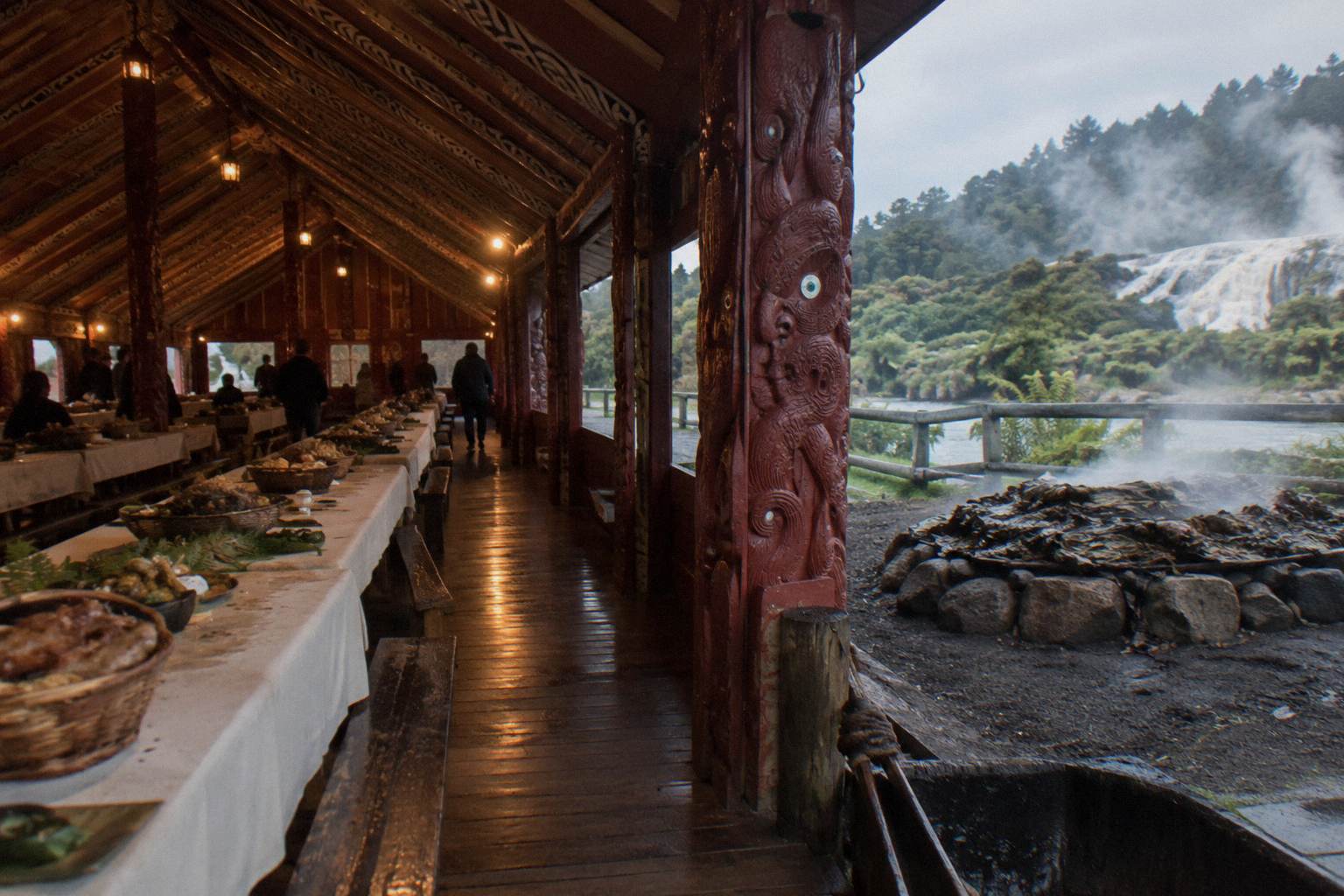
Cancellation is the last timing question, and the operators' rules do not cross over. Te Pā Tū's own terms give a 100 percent refund if cancelled two days before by 12.00pm, 50 percent one day before, nothing on the day, with booking and bank fees not refunded. Te Puia requires cancellation or amendment by phone or email at least 48 hours before, 72 for groups of 10 or more, and inside that window the ticket is non-refundable; it also says check in 15 minutes early or the ticket is forfeited, a sharp edge for a family running late. Mitai's cancellation terms are not on its public pages; they are set in its booking widget, so read them at checkout. The terms on whichever booking page you use may differ from the operator's own terms, so the final read always happens at payment.
Comfort, Weather And What To Bring For Children
Mitai, the only operator publishing dress guidance, says bring comfortable clothing and walking shoes, warm clothing in winter, a hat in summer and a jacket for rain, because the evening includes a bush walk; umbrellas and highchairs are limited there, while Te Pā Tū and Te Puia offer no dress guidance, so ask the operator directly, though Te Pā Tū's winter page confirms wheelchair and buggy access.
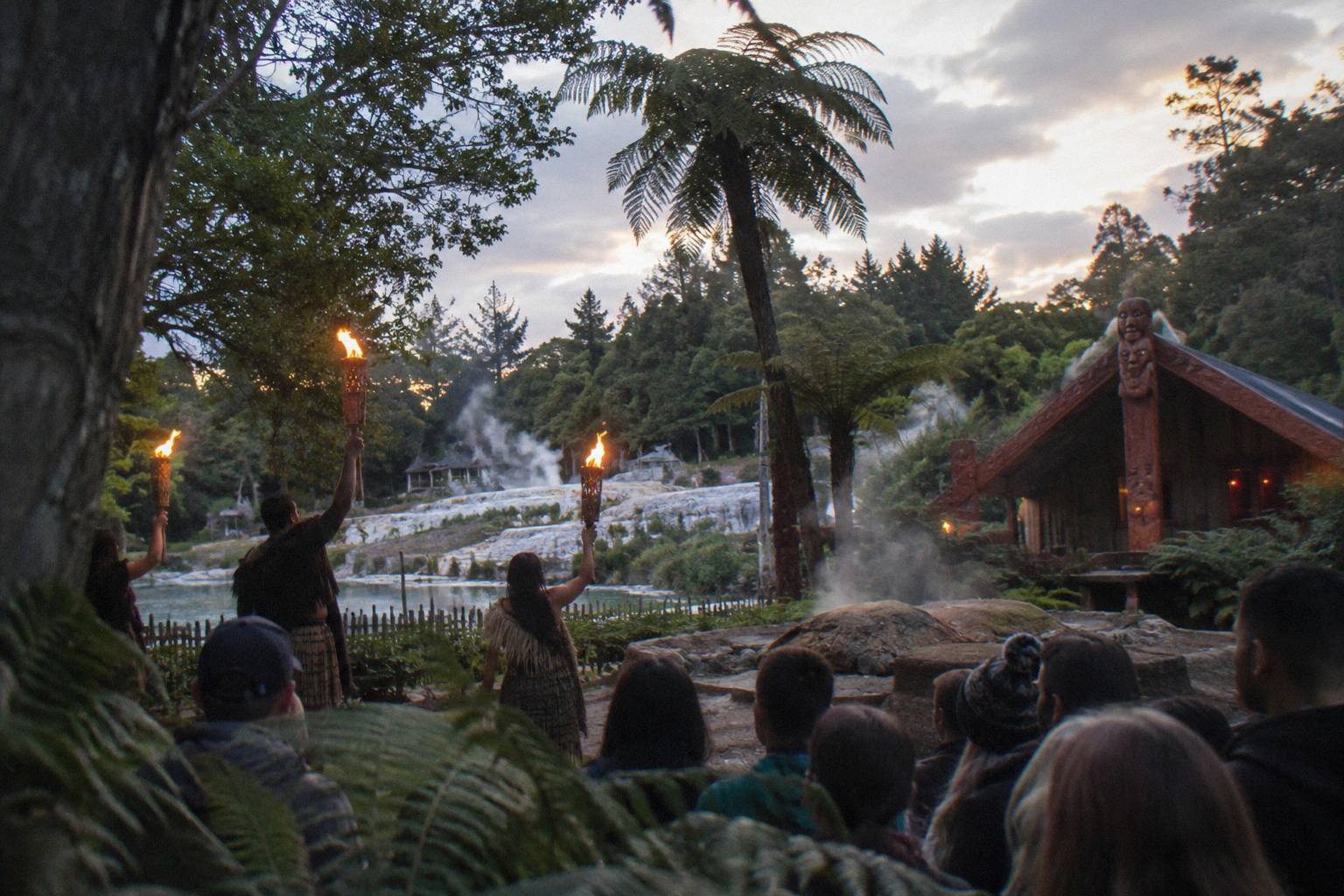
Take those literally and pack from them. A child on Mitai's bush walk to Te Puna Tapu o Tūhoe needs shoes that handle a dark forest path, and a warm layer for after sunset, because the operator's advice is written for exactly that walk. Limited umbrellas and limited highchairs are capacity statements: if either matters to your family, the operator's phone number is the answer, and Mitai publishes it. At Te Pā Tū, the winter accessibility line covers buggies, which parents of toddlers will read as the most child-relevant fact on any of the three operators' pages. Photography rules at Te Pā Tū, Te Puia and Whakarewarewa are not stated anywhere, so ask rather than assume, and the wider question of respectful behaviour is covered in Māori marae etiquette for evening guests.
Season choice is its own comfort decision, and it is one Te Pā Tū effectively hands you. The summer evening Tū Te Rā runs October to April and the winter evening Tū Te Ihi runs May to September, with different programmes, different durations and different child prices, and the decision between them is laid out in the best time of year for a Māori hāngī evening. November 2026 sits inside the summer season, so a family booking now is buying Tū Te Rā. What the cultural elements of each evening involve, in the operators' own descriptions, is set out in the pōwhiri welcome at a cultural evening and the guide to haka at a cultural dinner, both of which answer the questions children most often ask in the car on the way.
Common Mistakes Parents Make Booking A Māori Evening With Kids
The recurring mistakes are assuming child prices transfer between operators, booking the Te Pō Combo blind with children, expecting a shuttle that was never booked, and leaving dietary needs until arrival. Mitai's 4 to 13 band, Te Pā Tū's seasonal child prices and Te Puia's unstated child price are three separate systems that never cross over. The Te Pō Combo publishes no child price and no rating. None of these is recoverable on the night.
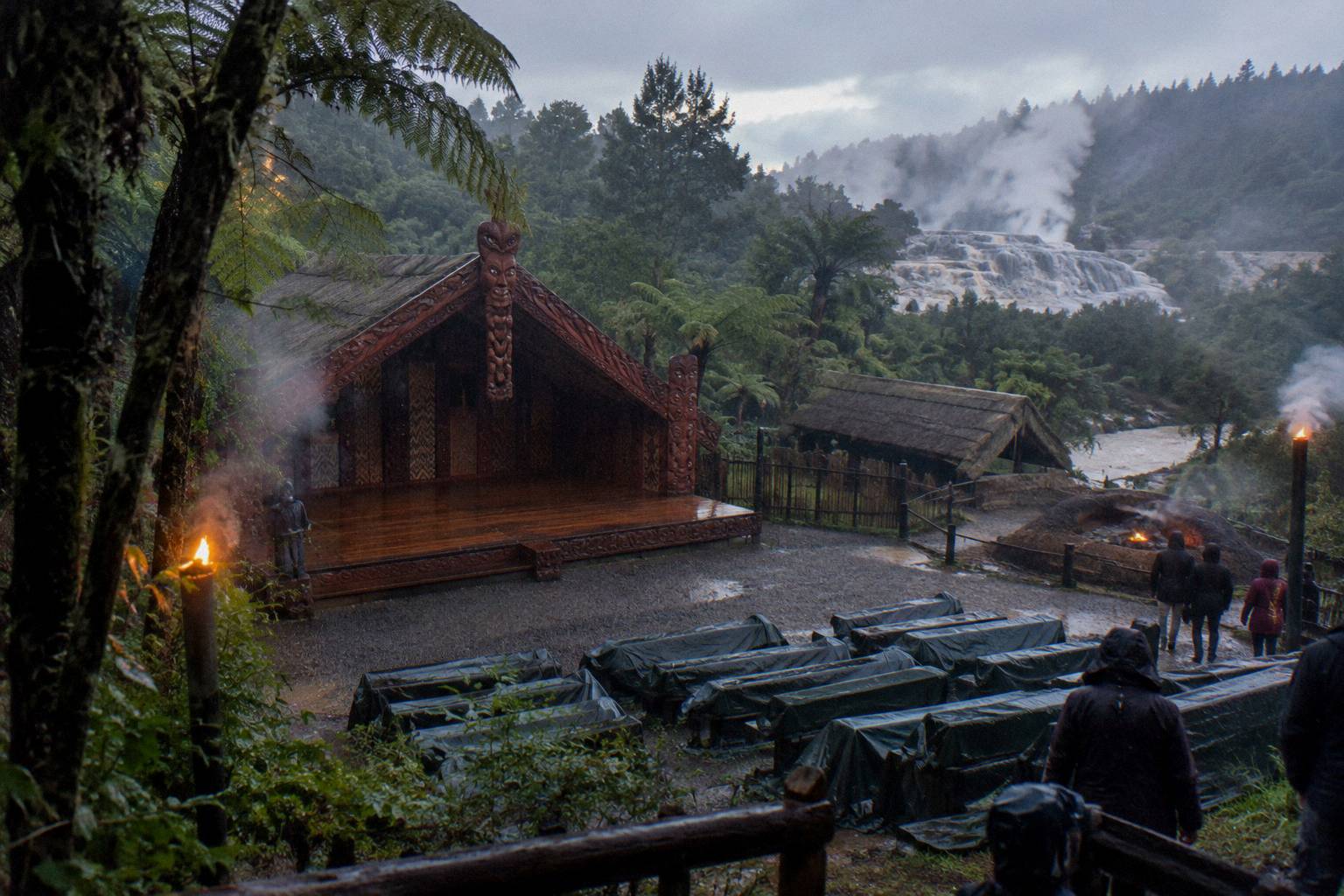
The first mistake is treating "child price" as one concept. It is three: an age band at Mitai, a seasonal flat price at Te Pā Tū with no published minimum age, and an unanswered question at Te Puia where only the under 4 free line exists. A parent who books Te Puia for a 7 year old without asking the child price first has agreed to an unknown figure. The second is duration blindness: the Combo's 4 to 4.5 hours from 4pm is nearly double the Te Pō evening's 2.5 hours, and the operator states no child price for it, which makes it the weakest family booking of the four tours on paper unless the questions are asked first. The third is the shuttle: Mitai's complimentary transfer is from registered accommodation only, limited, bookable and capacity-closed, and arriving without a booked seat means the free parking and a night drive. The fourth is dietary silence, covered above: say it at booking or not at all. And the quiet fifth: assuming the operators' cancellation terms are the booking page's terms. Read the terms at checkout, every time.
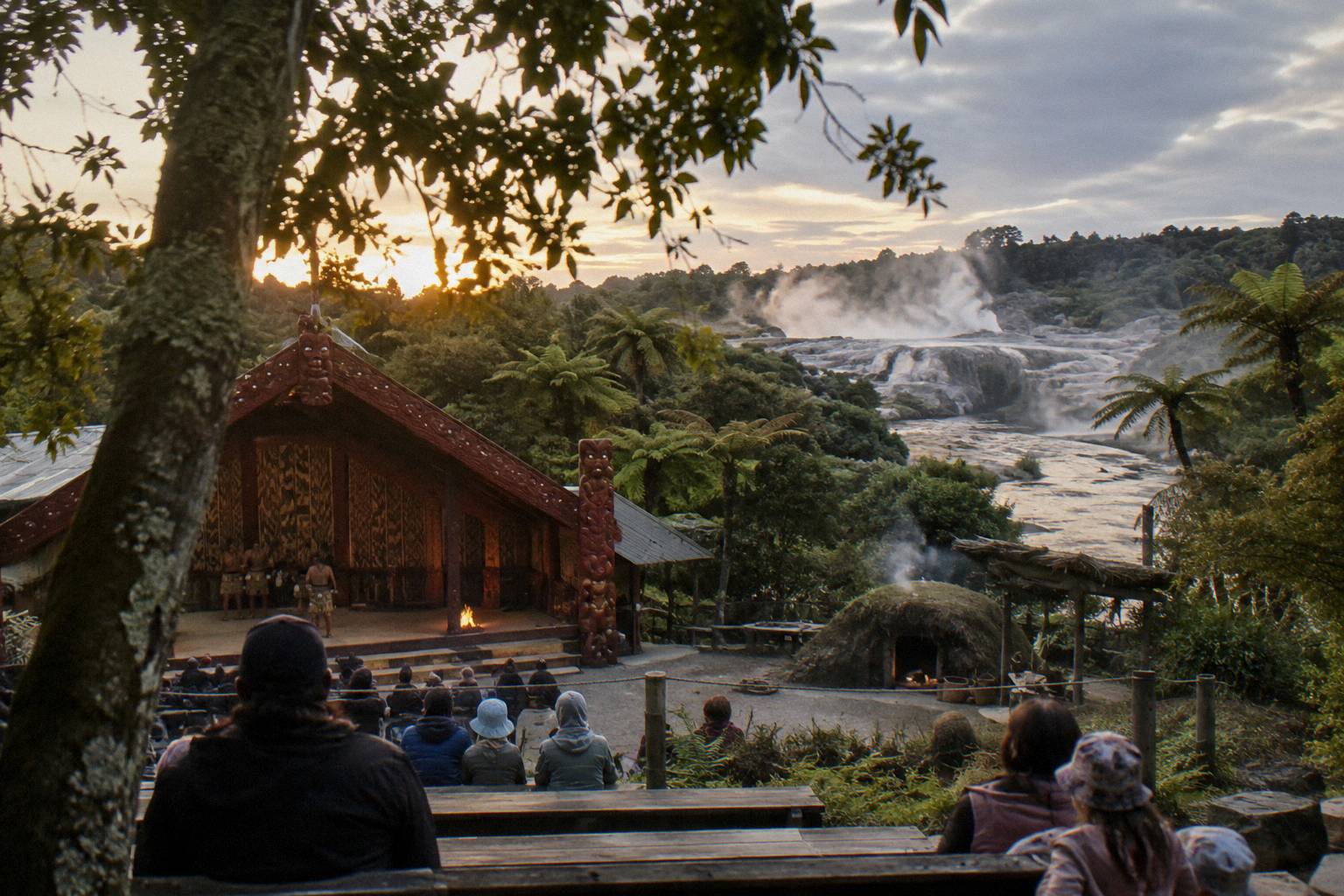
For families weighing a whole day rather than one evening, one boundary is worth restating plainly: Whakarewarewa The Living Māori Village is a daytime venue, with tours from 9am to 3pm and a 12.30pm performance, and it has no evening dinner. Its child price, NZD 20 for ages 5 to 15 on the performance, is a daytime fact, not a family alternative to these dinners. It can, however, pair with one: a daytime visit to Whakarewarewa The Living Māori Village followed by an evening dinner elsewhere is a full cultural day with a built-in afternoon rest, which is often what a family with young children actually needs. The daytime operator says Tūhourangi Ngāti Wāhiao have hosted visitors there over 300 years, its own claim, on its cultural performance page.
Common Questions About Taking Children To A Māori Cultural Evening
What Is The Minimum Age For A Māori Cultural Evening In Rotorua?
No operator publishes a minimum age for the evening experiences. Te Pā Tū states children are welcome and prices children at NZD 125 in summer, NZD 115 in winter, without publishing a minimum child age. Mitai prices children 4 to 13 and leaves infants 3 and under at a price not shown. Te Puia lists under 4s as free on its booking page. Ask the operator about your child's specific age before booking.
How Much Do Children Cost At Each Evening?
At the operators' own NZD prices: Mitai NZD 115.74 for ages 4 to 13 with the adult price NZD 188.34 from 14; Te Pā Tū NZD 125 per child in the summer season and NZD 115 in winter; Te Puia's Te Pō evening NZD 203 for adults with under 4s free and the child price not stated. Prices can change, so confirm at booking.
Which Evening Is Shortest For Children?
Te Puia's Te Pō evening runs about 2.5 hours from 5:30pm, with dinner sittings at 5:30pm and 7:15pm. Mitai runs about 3 hours and Te Pā Tū runs 3 hours in winter and 3.5 in summer. The Te Puia Te Pō Combo runs about 4 to 4.5 hours from 4pm. Mitai and Te Pā Tū do not publish start times, so ask the operator when comparing against a bedtime.
Are Transfers Included When Travelling With Children?
Te Pā Tū includes return coach transport from central Rotorua. Mitai offers complimentary transfers from registered accommodation that must be booked, have limited numbers and close at capacity; otherwise free on-site parking at 196 Fairy Springs Road. Te Puia states no hotel transfer and points to the City Ride bus every 30 minutes until 6PM, Uber, taxi and free parking at 20 Hemo Road.
Can Fussy Eaters Be Fed At A Hāngī Dinner?
Mitai's full buffet format, with vegetables, salads and a dessert buffet in the operator's wording, is the most flexible. Te Pā Tū's winter feast is served family style; its winter page lists vegetarian, pescatarian and gluten free options and says it cannot guarantee coeliac safety. Te Puia states no dietary options. Tell the operator at booking in every case.
Are Buggies And Highchairs Available?
Te Pā Tū's winter page states the evening is wheelchair and buggy accessible. Mitai states highchairs are limited and notes some wheelchair limits on its forest walk. Te Puia states free parking and a cashless site, with no buggy or highchair statement. Where a detail is not stated, ask the operator before booking.