How Do You Show Respect In Māori Culture?
A practical answer for Rotorua cultural evening guests: manaakitanga as Te Pā Tū defines it, what each operator says about welcomes, haka and photography, and how respect works at a village dinner.
Manaakitanga sets the tone: Te Pā Tū defines it on its own site as a firmly held value and practice within iwi Māori, centred on strengthening bonds between host and visitor through benevolence and hospitality. Mitai lists the parts of its welcome, from Pōwhiri to Haka, and photography is welcomed in designated areas, while Te Puia's Te Pō evening includes a 45-minute performance in the carved meeting house Te Aronui a Rua. In practice, follow your host's lead and save your questions for question time.
The question that brings most readers to this page is not academic. It is usually asked by someone with a Rotorua evening booked, or about to be, wondering whether they will do something wrong at a pōwhiri, a haka or a hāngī dinner. The good news is that the three operators who run evening cultural experiences in Rotorua, Te Pā Tū, Mitai Māori Village and Te Puia, have designed these evenings for visitors. The welcome is performed for you, the food is served to you, and the parts that might feel unfamiliar are explained by the hosts as the night goes on.
Manaakitanga: The Word The Hosts Use
Manaakitanga is the word Te Pā Tū uses on its own about page, where the operator defines it as a value and practice within iwi Māori that goes well beyond hospitality, centred on strengthening the bonds between host and visitor through benevolence and care. It reframes respect entirely: not a set of visitor rules to memorise, but a two-way relationship the host actively builds while the guest receives it well.
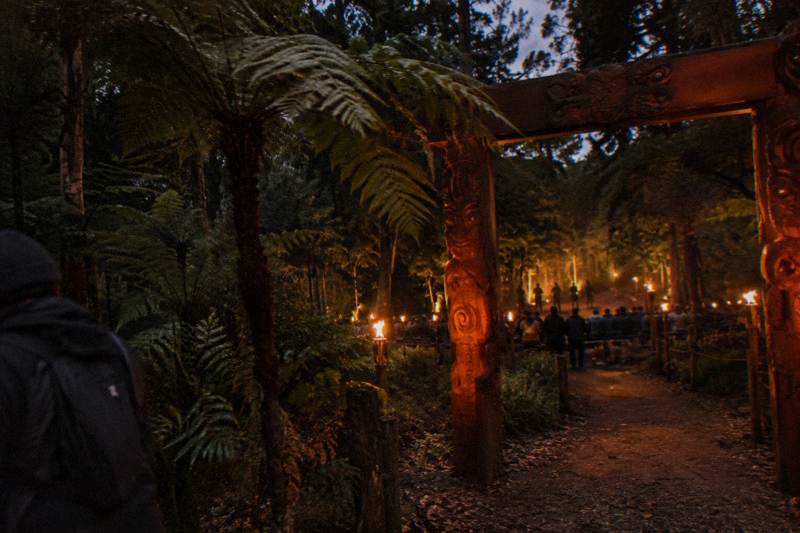
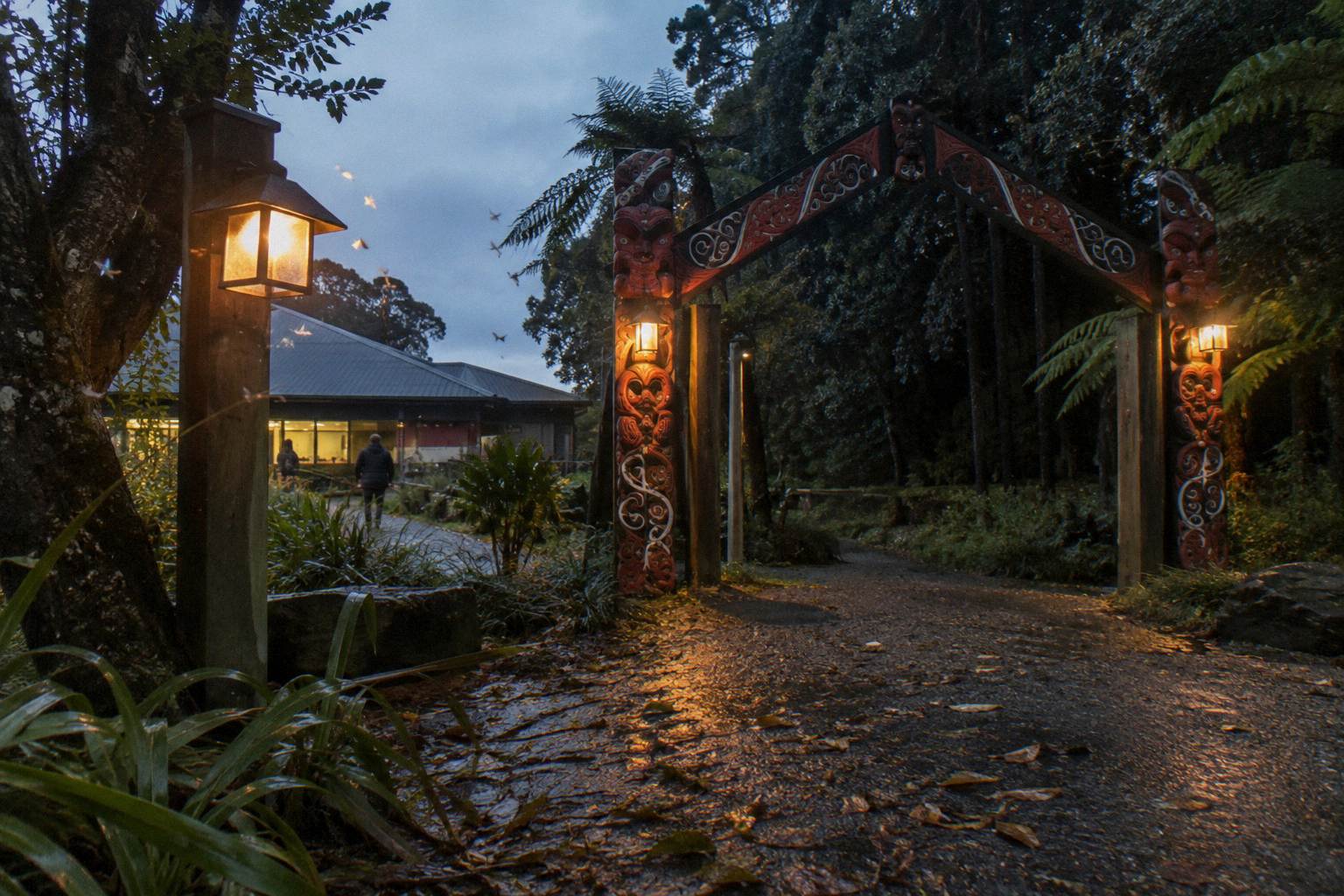
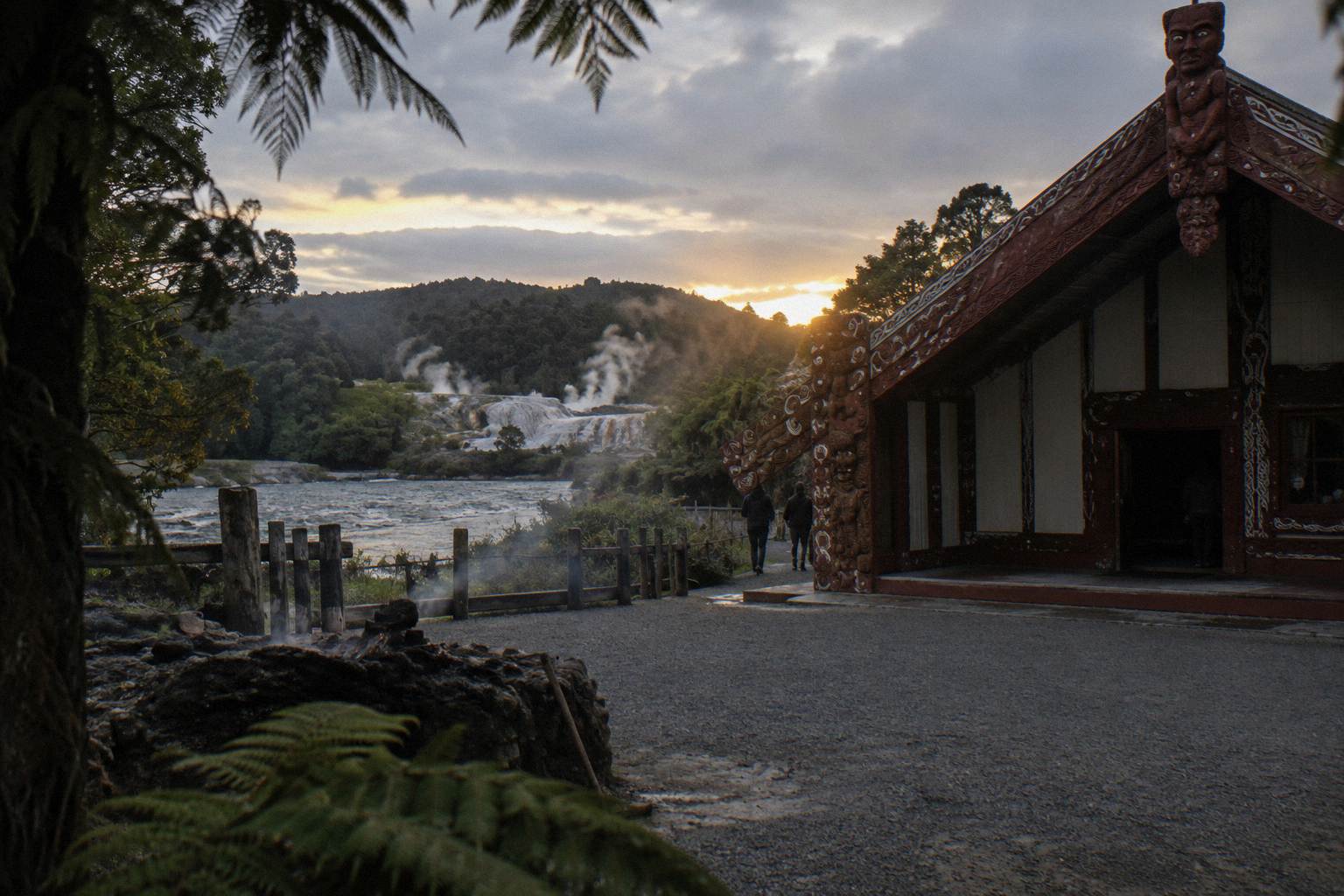
The same operator page speaks of related values: kaitiakitanga, which Te Pā Tū glosses as care of the natural environment; tikanga, protocols; and mātauranga, knowledge handed through generations. It also describes the pā itself as a place where people meet, celebrate and strengthen their understanding of who they are. These are the operator's own words and frames, and they are worth reading before an evening, because they explain why the night is structured the way it is. The village you are driven to is not a theatre set; in the operator's framing, it is a meeting place, and you are the visitor being met.
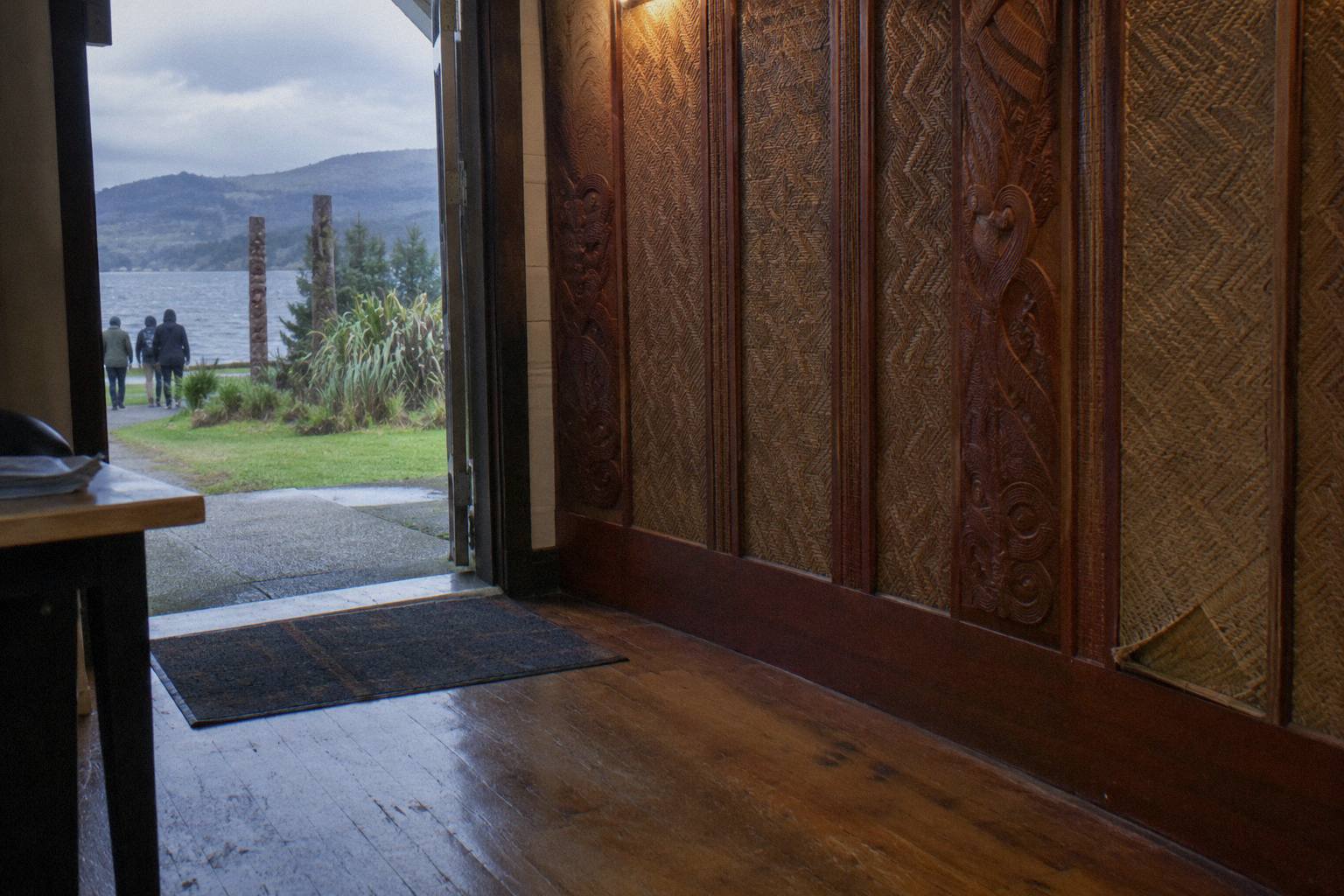
Reading manaakitanga this way changes what respect looks like in practice. It looks like arriving on time, because the operator's terms at Te Puia, for example, state you must check in 15 minutes early or the ticket is forfeited. It looks like asking questions at Mitai's question time rather than guessing at meanings, and telling the operator about dietary needs at booking, because Te Pā Tū's winter page lists vegetarian, pescatarian and gluten free options and notes it cannot guarantee coeliac safety. And it looks like accepting that the host sets the pace of the night, from the welcome to the farewell.
Readers weighing the two village-style evenings may find the comparison of Mitai against Tamaki, now Te Pā Tū useful, since the venues share a village format but differ in welcome style, season and price.
What Each Evening's Welcome Actually Involves
Each Rotorua evening opens with its own welcome: Te Pā Tū stages a haka pōhiri in summer and an Ahi Tuku fire ceremony in winter, Mitai holds a welcoming ceremony plus a performance of Pōwhiri, Wero, Waiata, Mōteatea, Poi and Haka, and Te Puia's Te Pō evening features a 45-minute song and dance performance in the carved meeting house Te Aronui a Rua, with no operator publishing a script guests must follow.
Because none of the three operators publishes guest obligations during a welcome, the practical advice is simple: watch, follow, and let the hosts lead. Nothing in the published material describes chief selection, waka protocol or any role a visitor is required to play, so a guest should not arrive anxious about performing anything. The welcome is performed by the hosts, toward the visitors, and the visitor's job is to be present for it.
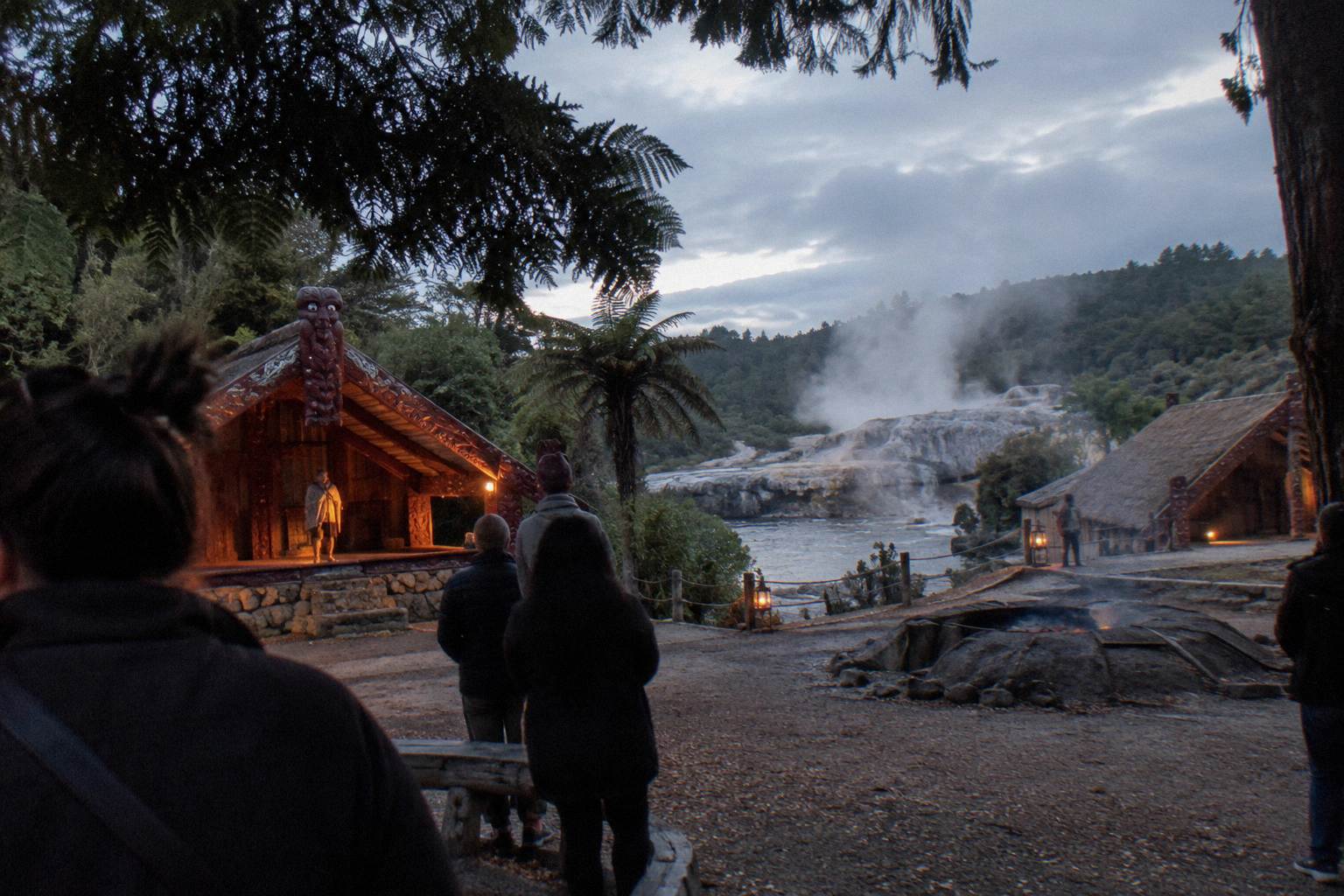
The welcome styles differ by season at Te Pā Tū, which is worth knowing before you book. The summer evening, Tū Te Rā, runs October to April for about 3.5 hours, and the winter evening, Tū Te Ihi, runs May to September for about 3 hours. The operator frames its summer evening around exploring concepts, rituals and stories of ancient Māori warfare and peace, relayed through haka, song and drama, while the winter evening is set in 1800s Aotearoa, between the 1840 Treaty of Waitangi and the 1886 Mt Tarawera eruption, in the operator's framing. Both are stated on the operator's summer experience page and its winter experience page.
| Evening | Welcome or performance, operator-stated | Duration | Season |
|---|---|---|---|
| Te Pā Tū, Tū Te Rā | Haka pōhiri on arrival; kapahaka in the forest amphitheatre Tūāpapa | About 3.5 hours | October to April |
| Te Pā Tū, Tū Te Ihi | Ahi Tuku fire ceremony welcome; fireside wānanga; kapahaka shared across service | About 3 hours | May to September |
| Mitai Authentic Hāngi Dinner | Welcoming ceremony; performance of Pōwhiri, Wero, Waiata, Mōteatea, Poi and Haka | About 3 hours | Year round |
| Te Puia Te Pō | 45-minute performance of song and dance in the carved meeting house Te Aronui a Rua | About 2.5 hours | Year round |
Mitai's evening adds elements the other two do not list: warriors paddling a waka down the Wai-o-Whiro Stream, an evening bush walk to the old fortified village site and the sacred spring Te Puna Tapu o Tūhoe, and glow worms. The operator's own description of its haka, which it calls the fiery Haka Māori war dance, is its wording, and it is a reminder that the performance is the operator's to frame. A guest does not need to know the history of the haka to watch it respectfully; the operator offers question time for exactly that kind of curiosity. For readers who want a deeper look at one venue, the guide to the Mitai Māori Village evening in full walks through the whole three hours.
The Few Stated Rules: Photography, Dress And Conduct
Only one of the three evening operators publishes a photography rule: Mitai states that photography is welcomed in designated areas. Dress guidance is also published by Mitai alone, which advises comfortable clothing and walking shoes, warm clothing in winter, a hat in summer and a jacket when raining. For Te Pā Tū and Te Puia, photography and dress guidance is not stated; ask the operator. These small, checkable rules are where practical respect actually lives.
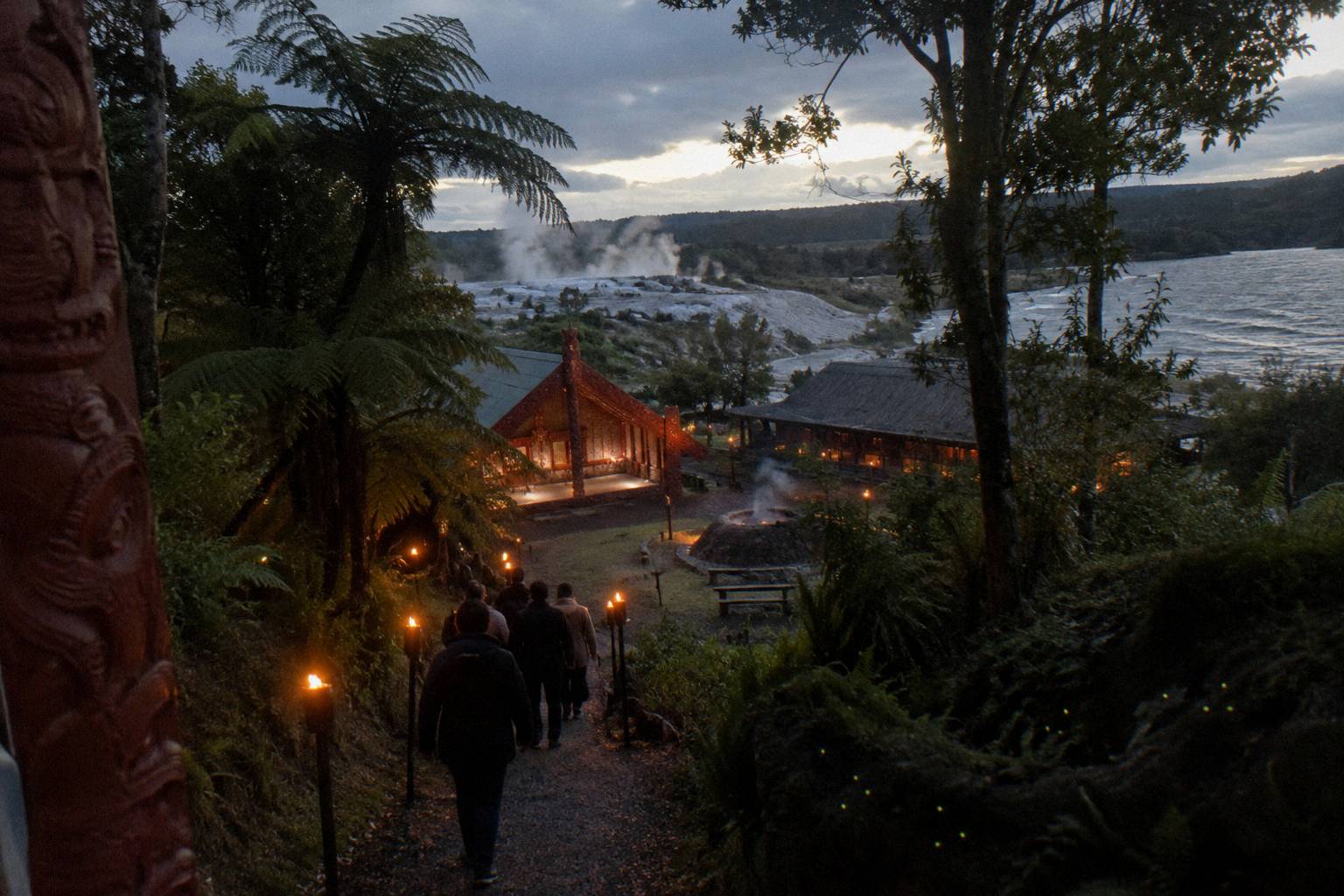
This is worth pausing on, because it is the one place a guest can genuinely get something wrong. Mitai's rule about designated areas implies that some places are not for photographs, and the host's staff will indicate which is which. Mitai also publishes practical limits worth knowing: outside alcohol is not permitted because there is a bar on site, umbrellas are limited, highchairs are limited, and there are some wheelchair limits on the forest walk. None of these are cultural prohibitions in themselves, but following them is part of being an easy guest on a night that runs to a host's rhythm.
Dressing for the conditions is also a form of respect for the place. The Te Pā Tū village is a forest pā set in tawa forest a short coach ride south of central Rotorua, and Mitai's evening ends with a bush walk. Neither venue publishes a dress code, and no cultural dress rules appear in any operator material. Practical clothing is simply what the evening needs. The site's longer piece on what to wear to a Māori cultural evening covers this in more detail.
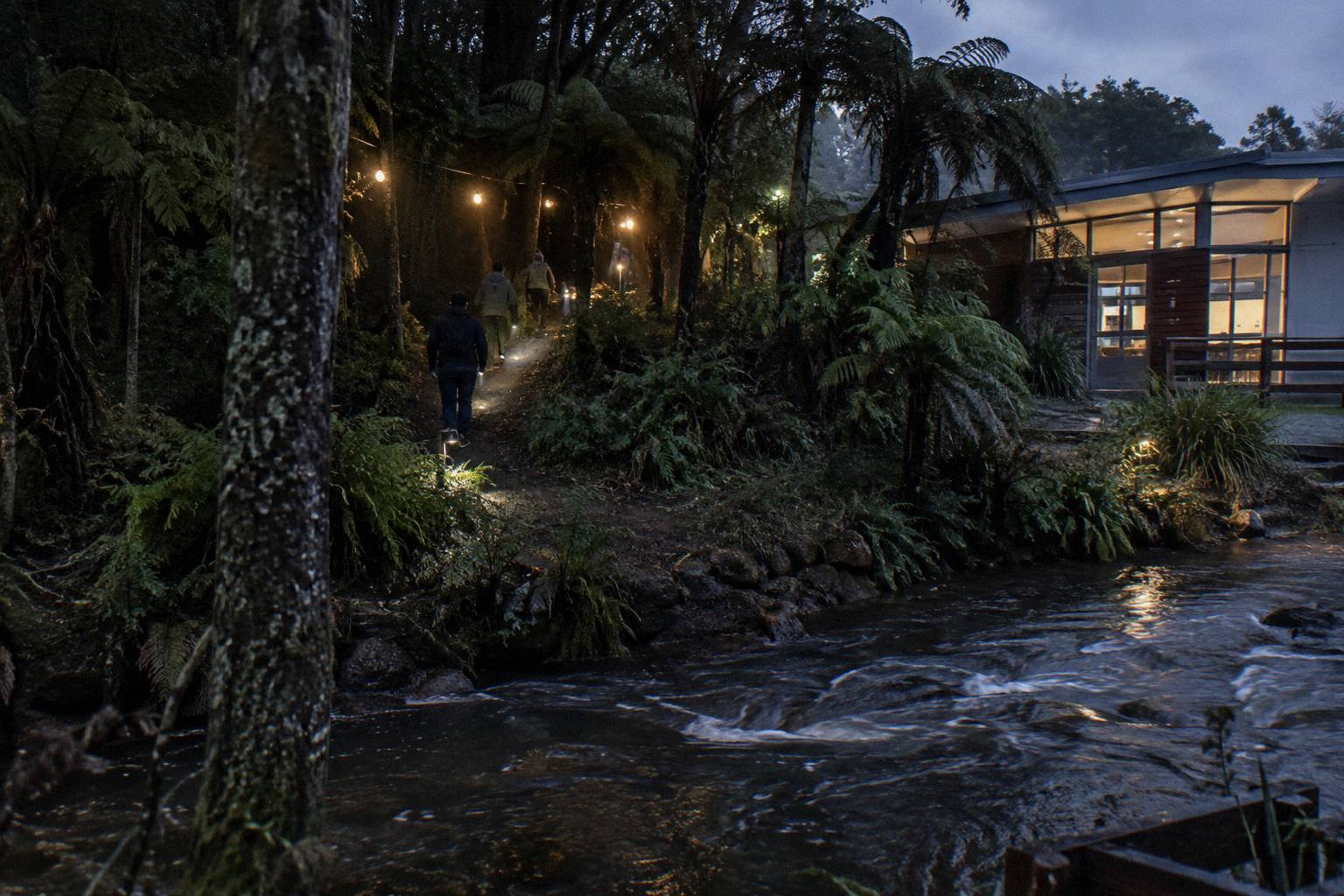
One more stated rule set deserves a place here because it concerns the host's time. Te Puia asks guests to check in 15 minutes early or forfeit the ticket, and its FAQ page sets the refund window at 48 hours before the experience, or 72 hours for groups of 10 or more. Te Pā Tū's own terms allow a 100 percent refund if cancelled two days before by 12.00pm, 50 percent one day before by 12.00pm, and nothing on the day. Mitai's cancellation terms are set in its booking widget rather than published, so read them at checkout. Arriving on time and knowing the terms is unglamorous, but it is the clearest respect you can show a host who has food in the ground for hours before you arrive.
Respect At The Table: Hāngī, Kai And Dietary Honesty
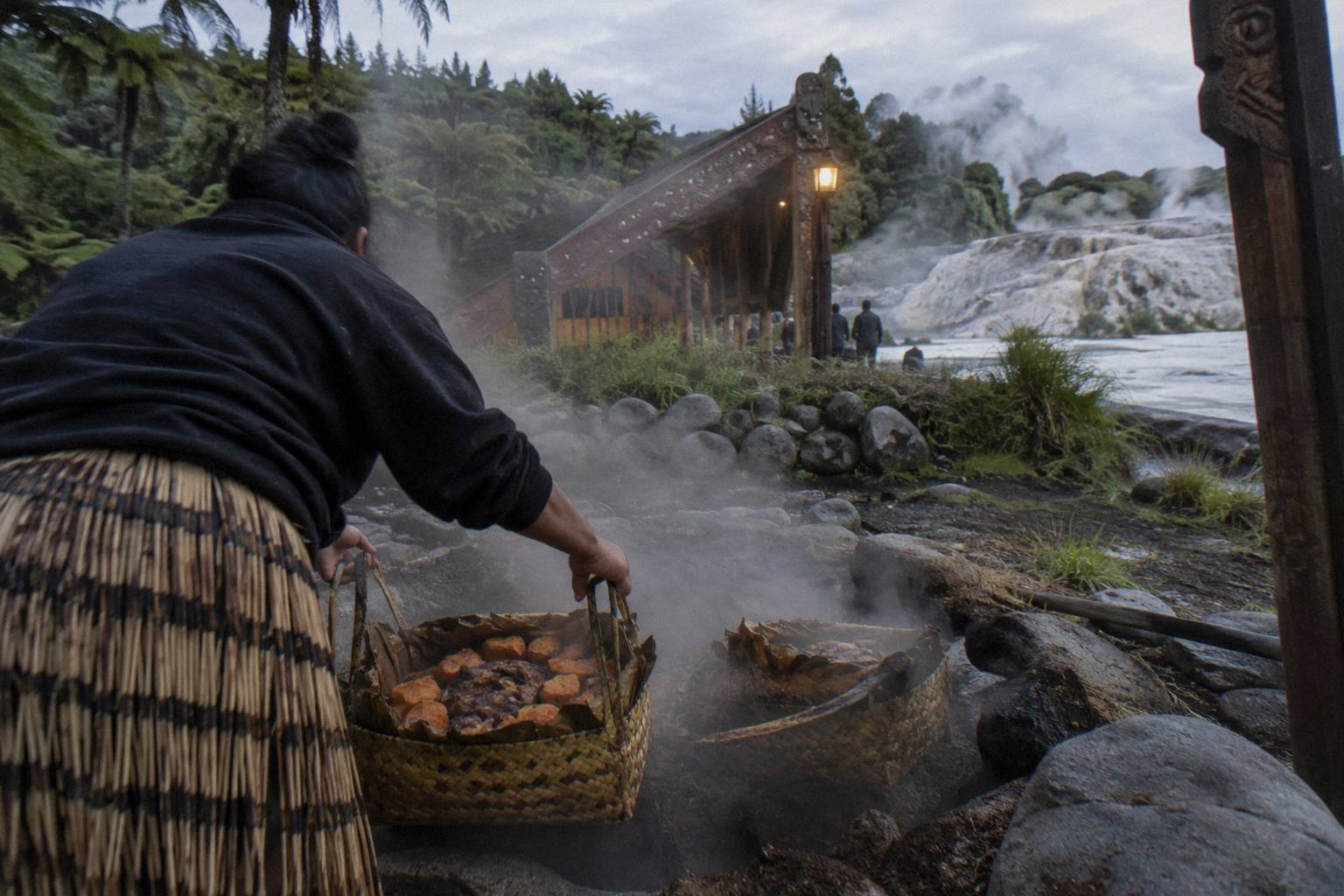
The food at these evenings is cultural content, the operators treat it that way, and honesty about dietary needs is part of that respect. Te Pā Tū serves a three-course seasonal feast in summer and a Matariki-inspired Māori fusion feast with in-ground hāngī in winter, Mitai cooks meat, chicken and kūmara in a 1 to 2 m earth oven for 3 to 4 hours, and Te Puia serves a hāngī buffet.
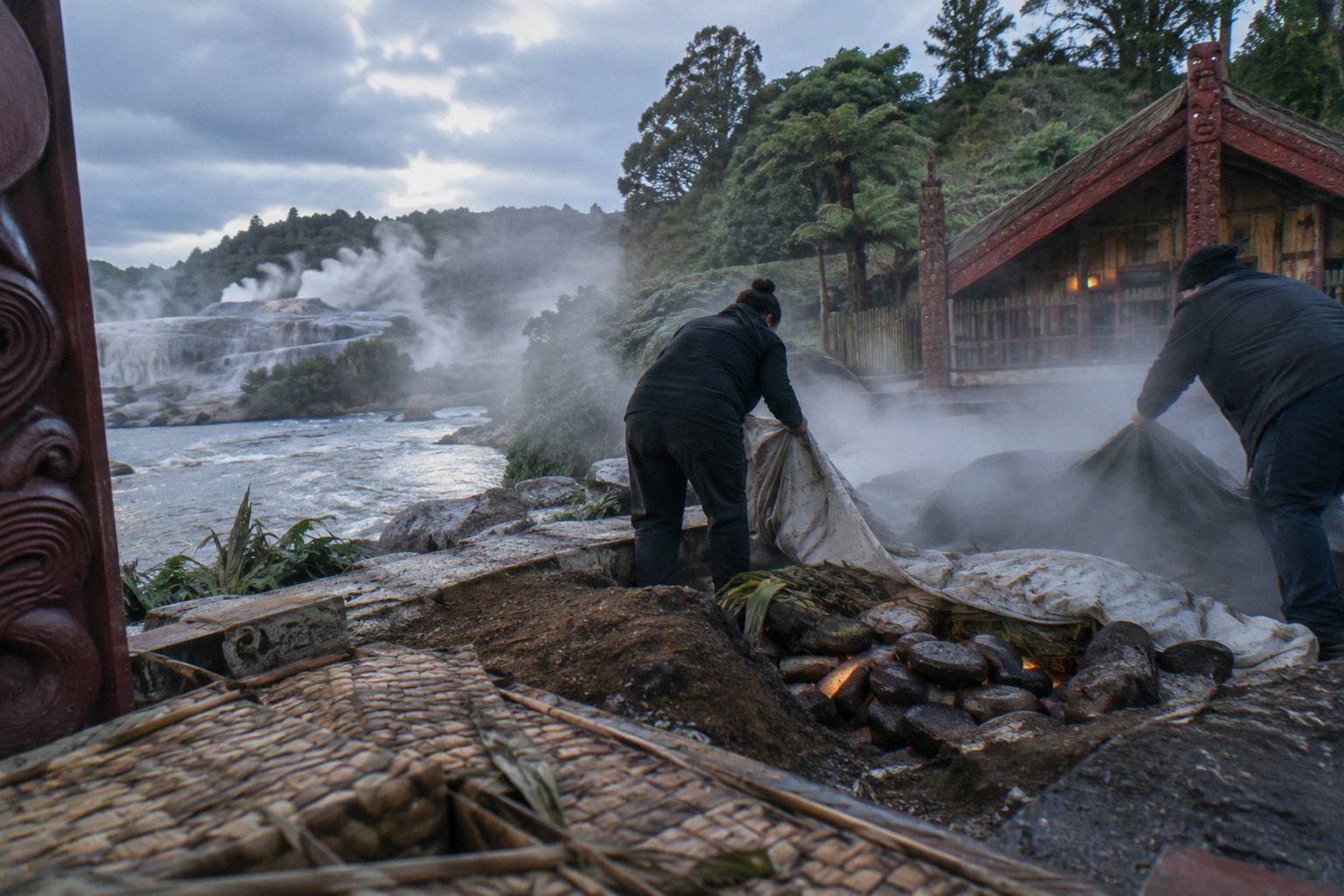
The unifying thread is that the meal is not incidental; it is part of what the hosts are sharing. Mitai's evening is built so that guests watch the hāngī being lifted from the ground before eating it, and Te Pā Tū's summer evening includes viewing the hāngī lifting and a spit roast before the feast. A guest who understands they are watching a cooking method that takes hours will approach the buffet differently than a guest who treats it as catering.
Honesty about dietary needs is the one food rule that matters most. Te Pā Tū's winter page lists vegetarian, pescatarian and gluten free options and states it cannot guarantee coeliac safety; vegan options at Te Pā Tū are not stated, so ask. Mitai says it is unable to cater to all dietary needs such as vegan, though some requests could be met. Te Puia's dietary options are not stated. In every case the instruction is the same: tell the operator at booking, not on the night. The site's guide to vegetarian and dietary options at a hāngī dinner works through each operator's stated position.
Choosing An Evening That Matches Your Comfort
Comfort comes down to length and transport: Te Puia's Te Pō is shortest at about 2.5 hours from 5:30pm (NZD 203) with no hotel transfer stated, while Mitai runs about 3 hours at NZD 188.34 adult with complimentary transfers from registered accommodation that must be booked. Te Pā Tū is longest at about 3 to 3.5 hours, priced NZD 290 adult in summer and NZD 280 in winter, with return coach transport from central Rotorua included.
Those differences are not trivia; they decide how the evening feels. A guest who would rather not drive at night has two stated transport options, the included coach at Te Pā Tū and Mitai's bookable shuttle, while at Te Puia the operator names the City Ride bus every 30 minutes until 6PM, Uber and taxi, plus free parking. A guest with children has clear price anchors: Mitai's child price covers ages 4 to 13 at NZD 115.74 with the adult price from 14, Te Pā Tū's child price is NZD 125 summer and NZD 115 winter with the minimum age not published, and at Te Puia the booking page says under 4 go free with the child price not stated.
| What you are weighing | Te Pā Tū Cultural Experience With Dinner | Mitai Authentic Hāngi Dinner | Te Puia Te Pō |
|---|---|---|---|
| Operator adult price | NZD 290 (Tū Te Rā) / NZD 280 (Tū Te Ihi) | NZD 188.34 (from age 14) | NZD 203 |
| Operator child price | NZD 125 (summer) / NZD 115 (winter) | NZD 115.74, ages 4 to 13 | Not stated; under 4 free |
| Transfer | Included from central Rotorua | Limited, from registered accommodation, must be booked | None stated; bus, Uber, taxi, free parking named |
| Start time | Not stated | Not stated | 5:30pm, sittings 5:30pm and 7:15pm |
| Rating on booking page | 4.8 | 4.7 | 4.7 |
Prices are the operators' own and can change by date and season, so check the booking page before reserving. The rating figures above are stated as ratings only, with no review counts published alongside them, and they are not comparable across venues as a measure of quality.
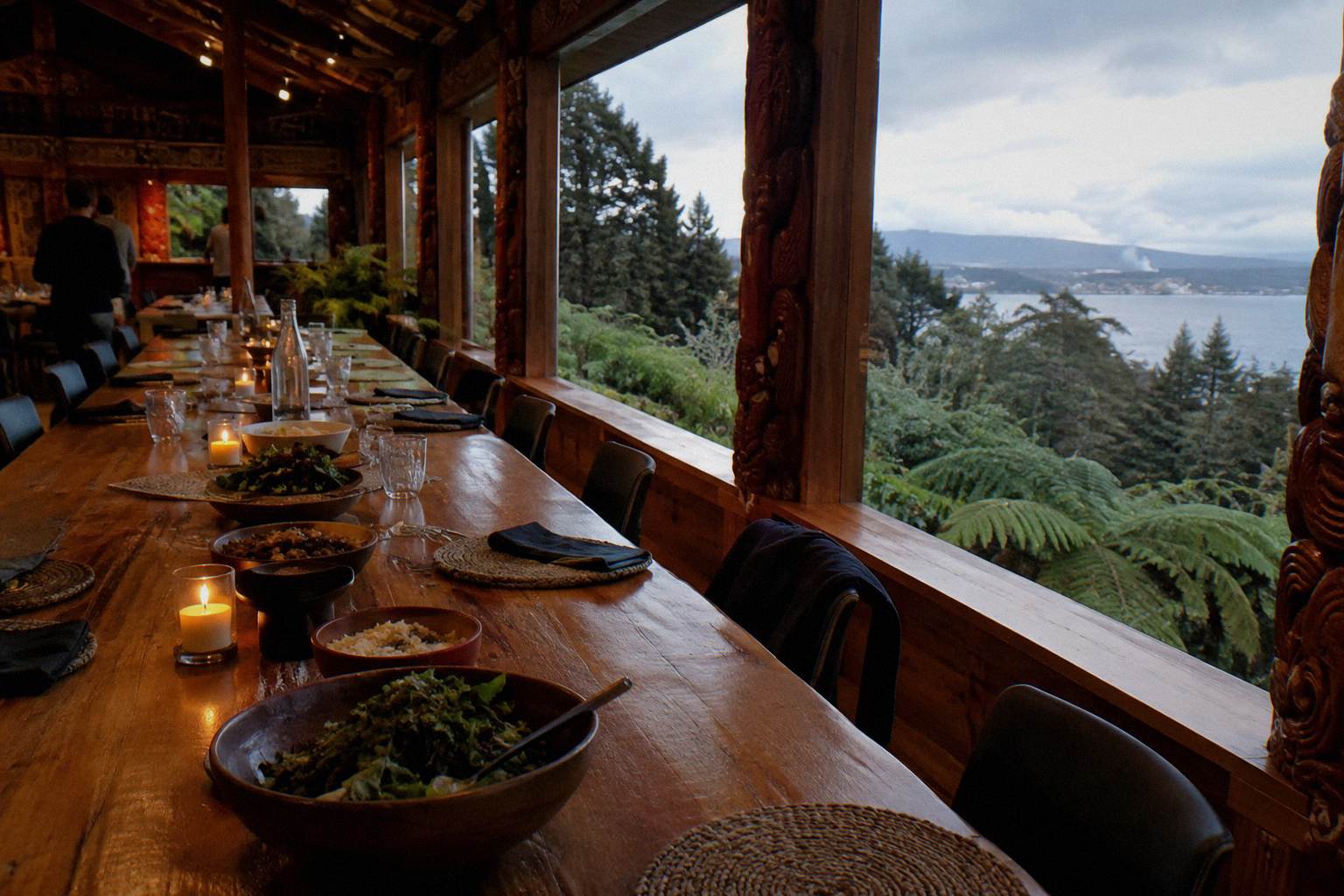
For a fuller walk-through of the flagship option, the Te Pā Tū cultural experience with dinner page covers both seasonal evenings side by side. Check availability once you know which season your visit falls in, because the welcome, the menu and the price all shift with it.
What Trips People Up When Attending A Māori Cultural Evening
The stumbles are rarely about ceremony and nearly always about logistics. Guests assume a start time that was never published, expect a shuttle they never booked, arrive without having stated a dietary need, or expect a vegan plate no operator has promised. Each of these is avoidable in the ten minutes it takes to read the operator's page and email a question before the night.
Start times are the classic trap. Te Pā Tū and Mitai do not publish evening start times, so confirm the pickup or arrival time when you book rather than assuming a 5pm norm from some other venue. Transfers are the second: Mitai's complimentary shuttle has limited numbers, must be booked, and closes at capacity, so a guest who assumes a seat will be waiting can be left arranging a taxi. The third is alcohol: Mitai has a bar on site and does not permit outside alcohol, which surprises guests who bring a bottle expecting a licensed-venue norm.
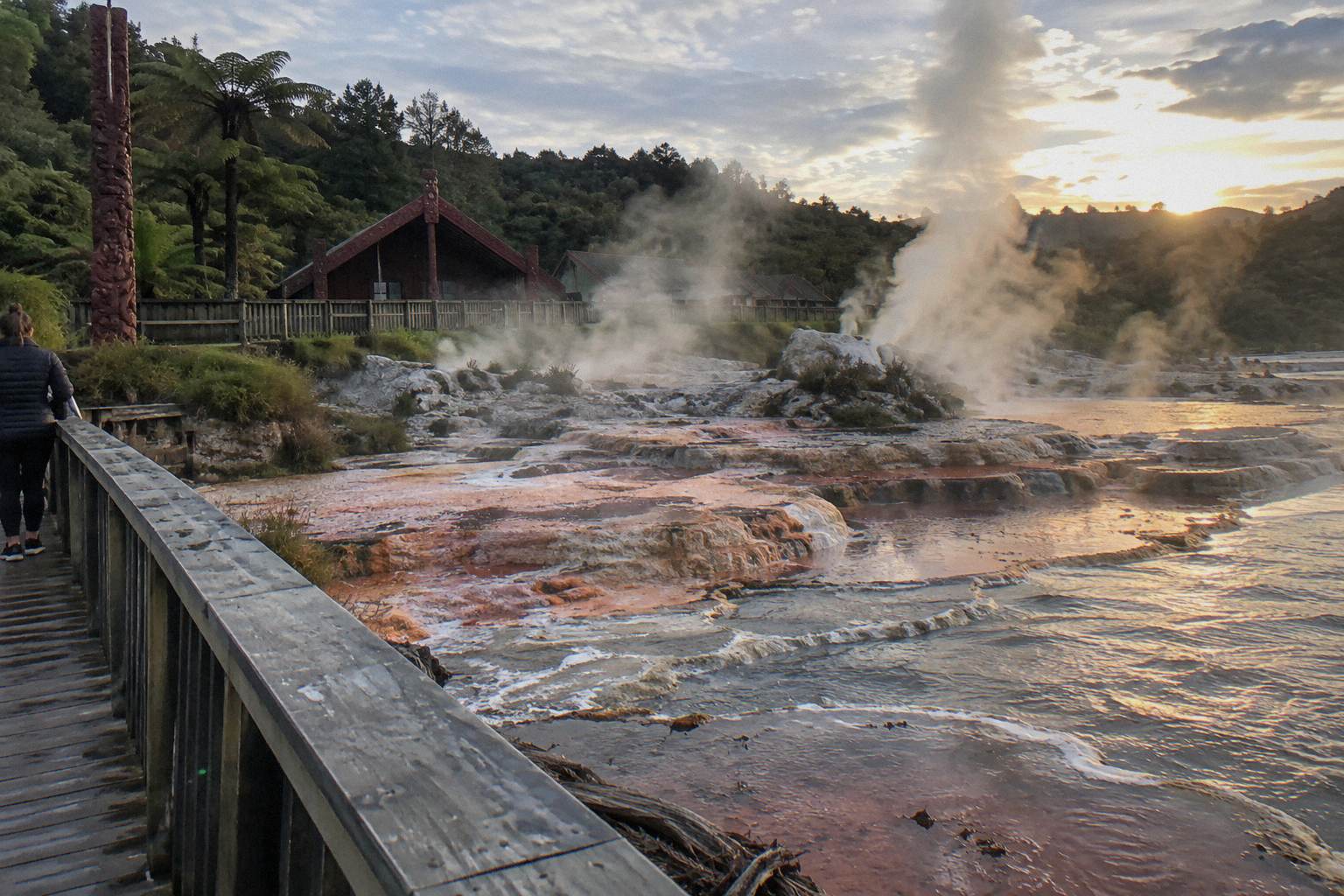
The fourth trip-up is treating the evening as a show to review rather than a hosted night. Te Pā Tū's whole framing, manaakitanga as a bond between host and visitor, and Mitai's question time, both position the guest as a participant in a relationship, not an audience member. Guests who engage, ask, and thank the hosts get the evening the operators describe. Guests who arrive late, photograph where it is not designated, or send dietary requests mid-service make the hosts' work harder. The short version: read the operator's page, book early, state your needs, arrive on time, and follow the host's lead.
If Te Puia's shorter format appeals, whether the Te Puia evening with hāngī and concert suits you is worth a separate look, since its 2.5-hour shape and 5:30pm start suit an earlier night.
Common Questions About Showing Respect In Māori Culture
How Do You Show Respect In Māori Culture?
By following the host's lead and using what the operators publish. Te Pā Tū defines manaakitanga as a value and practice centred on strengthening the bonds between a host and their visitors through benevolence and hospitality. In practice that means arriving on time, asking questions when the host offers question time, stating dietary needs at booking, and following the few stated rules such as photography only in designated areas at Mitai.
Do I Have To Do Anything During The Pōwhiri Or Welcome?
No operator publishes any guest obligation for the welcome. Te Pā Tū's welcomes are performed by the hosts, a haka pōhiri in summer and an Ahi Tuku fire ceremony in winter. Mitai lists Pōwhiri, Wero, Waiata, Mōteatea, Poi and Haka as its performance. Watch, follow any instruction the hosts give on the night, and let them lead.
Can I Take Photos At A Māori Cultural Evening?
Mitai states that photography is welcomed in designated areas, which implies some areas are not. Te Pā Tū and Te Puia do not publish photography rules; ask the operator when booking. The respectful default is to photograph where staff indicate it is fine and to put the camera away elsewhere.
Is It Disrespectful To Watch The Haka?
No. The haka is part of the performance the operators stage for visitors. Mitai calls its haka the fiery Haka Māori war dance, in the operator's wording, and includes it in its listed performance alongside Poi and Waiata. The operators do not publish guidance on how to watch, so watch attentively and use question time if you want to know more.
What Should I Wear To Show Respect?
No operator publishes a cultural dress rule. Mitai advises comfortable clothing and walking shoes, warm clothing in winter, a hat in summer and a jacket when raining, because its evening includes a bush walk. Te Pā Tū and Te Puia give no dress guidance; dress practically and ask the operator if unsure.
What Does Manaakitanga Mean?
Te Pā Tū's own definition: manaakitanga is frequently referred to as hospitality, but it is a firmly held value and practice within iwi Māori, centred at a simple level on strengthening the bonds between a host and their visitors through benevolence and hospitality. The operator also speaks of kaitiakitanga, care of the natural environment, and tikanga, protocols.