What To Wear To Mitai Māori Village?
Mitai Maori Village publishes its own dress guidance: comfortable clothing, walking shoes for the bush walk, warm layers in winter, a hat in summer and a jacket when it rains. Here is what that means in practice.
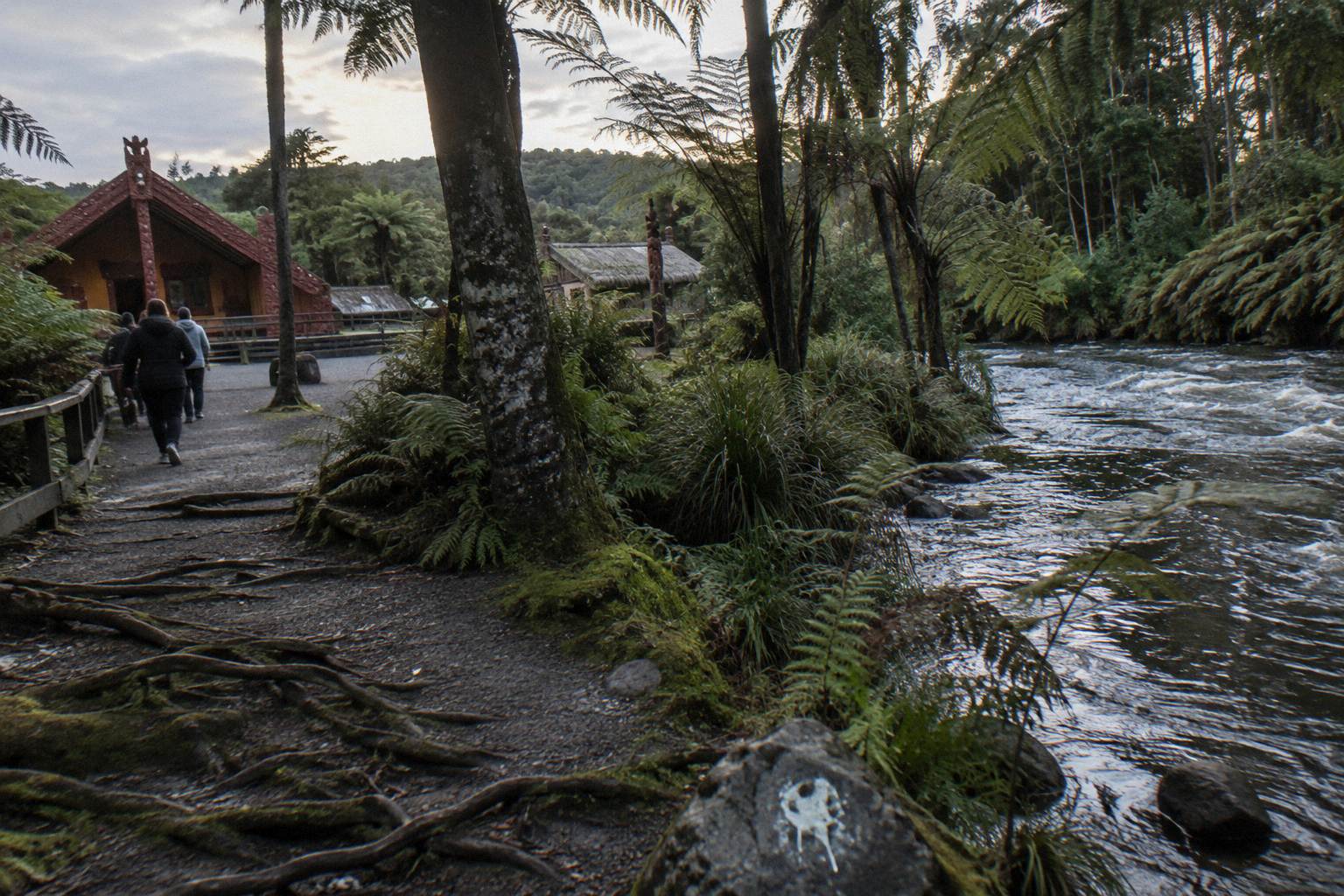
Wear comfortable clothing and walking shoes, dress for the weather, and bring shoes you are happy to walk in on an unpaved forest track after dark. That is the operator's own guidance, published on Mitai Maori Village's official page: warm clothing in winter, a hat in summer and a jacket when it is raining. There is no dress code and no cultural dress rule. The one part of the evening that shapes your choices is the bush walk to the sacred spring Te Puna Tapu o Tūhoe, which follows a forest track with some wheelchair limits, so footwear matters more than fashion.
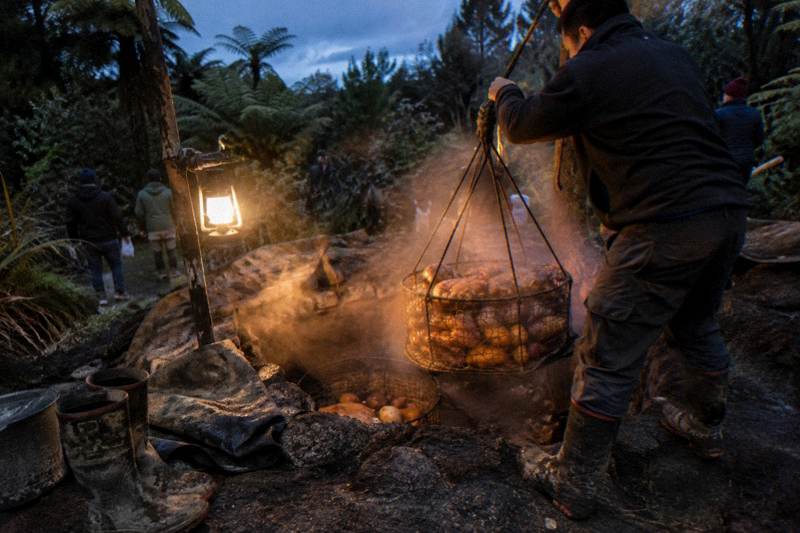
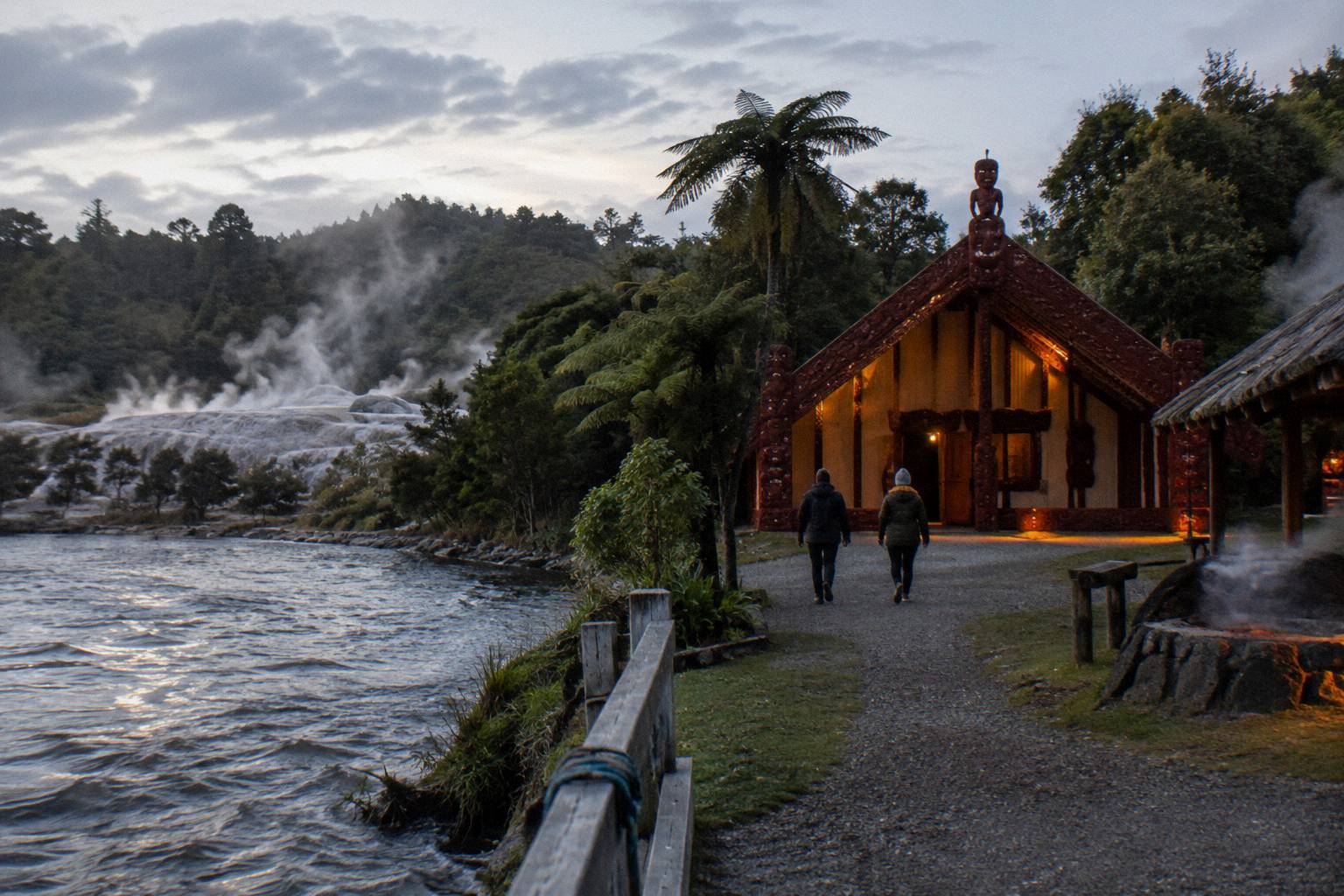
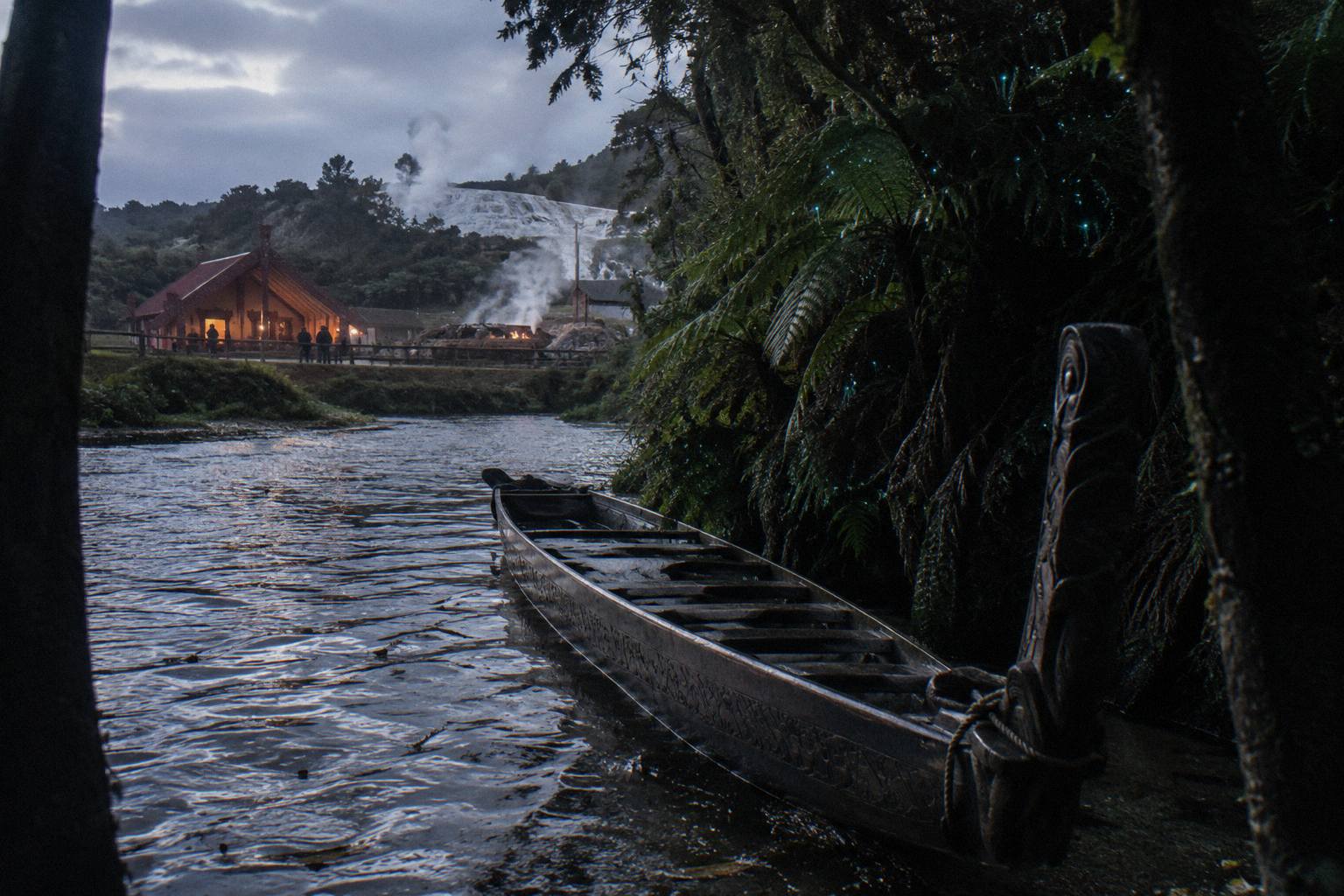
Mitai Maori Village sits at 196 Fairy Springs Road in Fairy Springs, Rotorua, and its Authentic Hāngī Dinner Experience runs about three hours. The evening, as the operator lists it, includes a welcoming ceremony, the hāngī unveiling, warriors paddling a waka down the Wai-o-Whiro Stream, a cultural performance the operator describes as Pōwhiri, Wero, Waiata, Mōteatea, Poi and Haka, a full buffet hāngī dinner, question time, and an evening bush walk to the old fortified village site and the sacred spring, with glow worms along the way. You can read the evening in full on the Mitai village evening overview, but the short version for clothing is simple: you will be outdoors, on natural ground, at night.
The operator publishes its clothing advice on its own experience page, which is where every line quoted in this article comes from. Because the operator is also the source of the practical notes, the umbrella limit, the bar rule and the photography guidance, this page sticks to what Mitai states and leaves the rest to a phone call on +64 7 343 9132 or an email to reservation@mitai.co.nz. Nothing here is a dress code, because Mitai does not publish one.
What Mitai Itself Says About Clothing And Footwear
Mitai's published guidance is comfortable clothing and walking shoes, dressed for the weather, with comfortable shoes for the bush walk, and the operator splits the rest by season and condition: warm clothing in winter, a hat in summer, and a jacket when it is raining. That is the whole of the stated advice. It is also more than most Rotorua cultural evenings offer, because Mitai is the only one of the three dinner operators that publishes dress guidance at all, which makes packing for its evening unusually straightforward.
Read the four lines carefully and a picture forms. Comfortable clothing covers the seated parts of the evening, the ceremony, the performance and the buffet dinner. Walking shoes cover the bush walk, which happens in the dark on a forest track. The weather lines exist because Rotorua evenings change fast and because parts of the night are outdoors regardless of conditions. The hat line is about summer sun early in the evening; the warm clothing line is about a forest after sunset in the cooler months.
| Mitai guidance line | What it means for your evening |
|---|---|
| Comfortable clothing | Soft layers you can sit, stand and walk in for about three hours |
| Walking shoes | Enclosed shoes with grip, worn in before the night, for the forest track |
| Warm clothing in winter | Layers you can keep on outdoors after sunset |
| A hat in summer | Sun protection for the start of the evening |
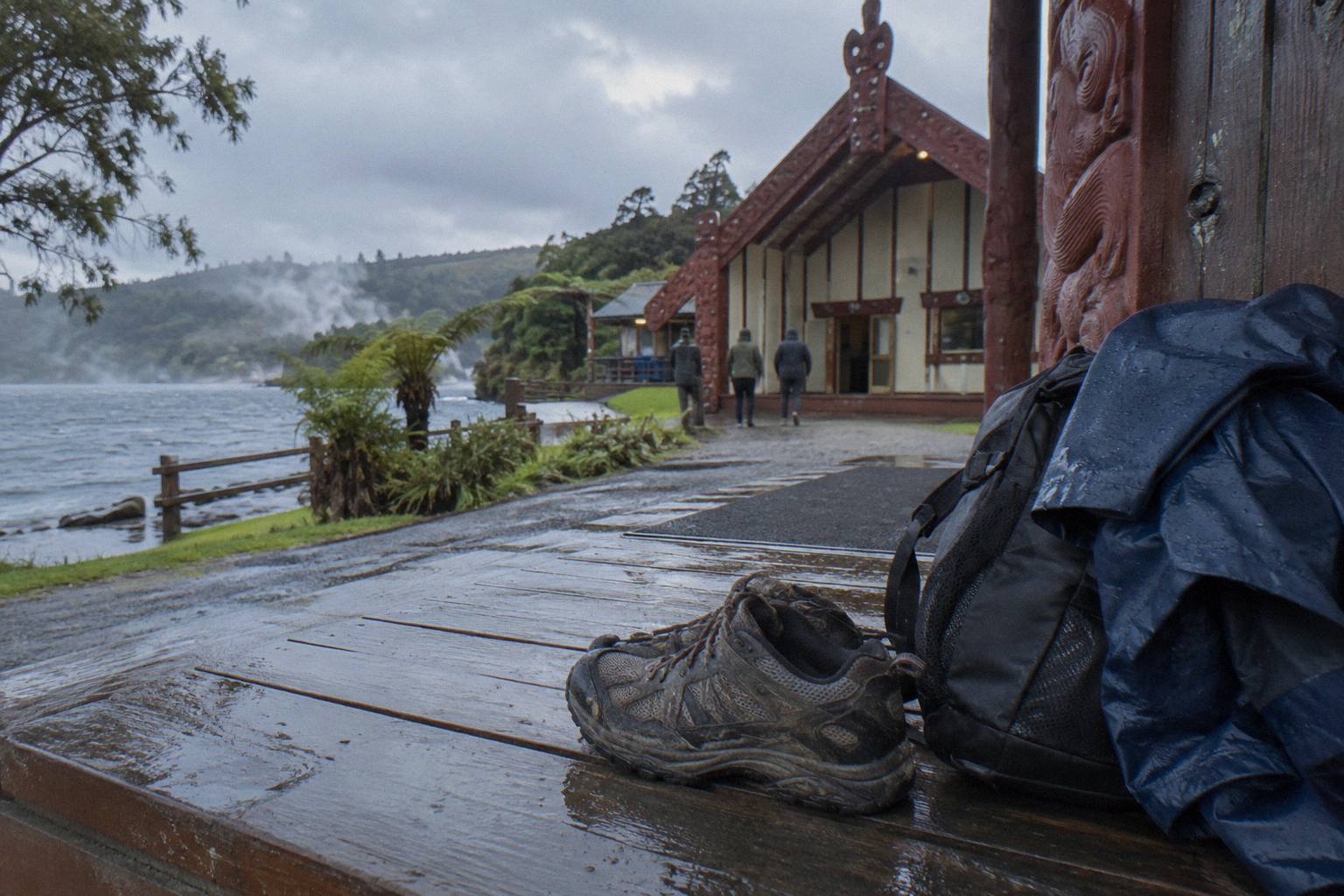
| A jacket when raining | A rain layer rather than an umbrella, because umbrellas are limited on site |
The last row is the one visitors miss. Mitai states that umbrellas are limited on site, which makes a jacket the dependable wet weather choice rather than a hotel umbrella you may not be able to use. It is a small detail that changes what goes in your day pack, and it comes straight from the operator's practical notes rather than guesswork.
If you have booked the dinner and are working through your evening, the tour page for the Mitai Cultural Experience And Dinner Buffet carries the full inclusions, the operator's adult price of NZD 188.34 for ages 14 and up, and the child price of NZD 115.74 for ages 4 to 13, with a chance to check availability once your plans are firm. The operator's prices can change, so treat those figures as the stated baseline and confirm at checkout.
Footwear For The Evening Bush Walk
Shoes are the one clothing decision that can genuinely affect your night, because the bush walk follows a natural forest track to the sacred spring Te Puna Tapu o Tūhoe, it happens after dark near the end of a roughly three-hour evening, and the operator notes some wheelchair limits on the track itself. Enclosed walking shoes with a sole that grips are the sensible answer. Sandals, heels and new shoes worn for the first time on the night are the choices most likely to cause trouble on uneven, dim ground.
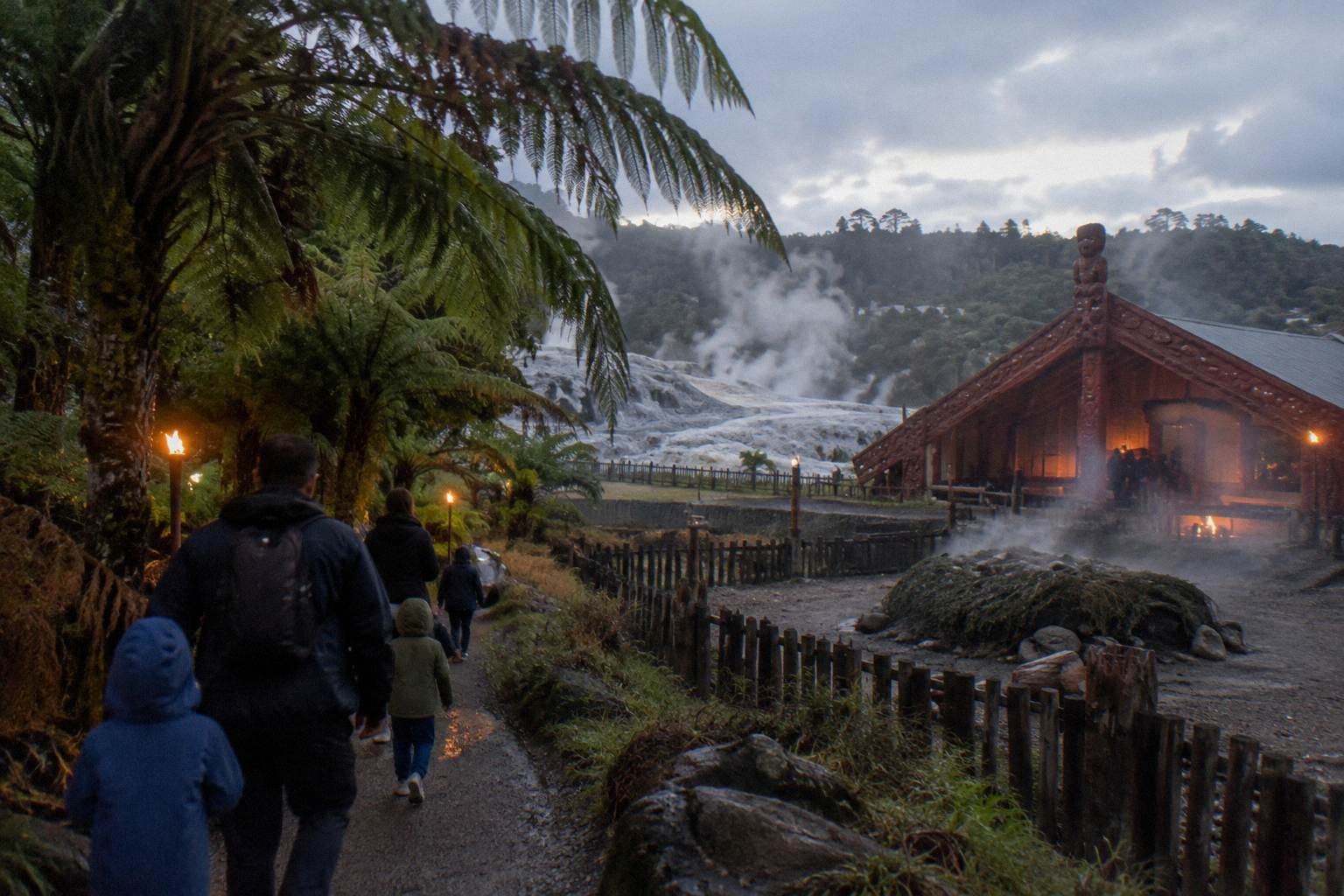
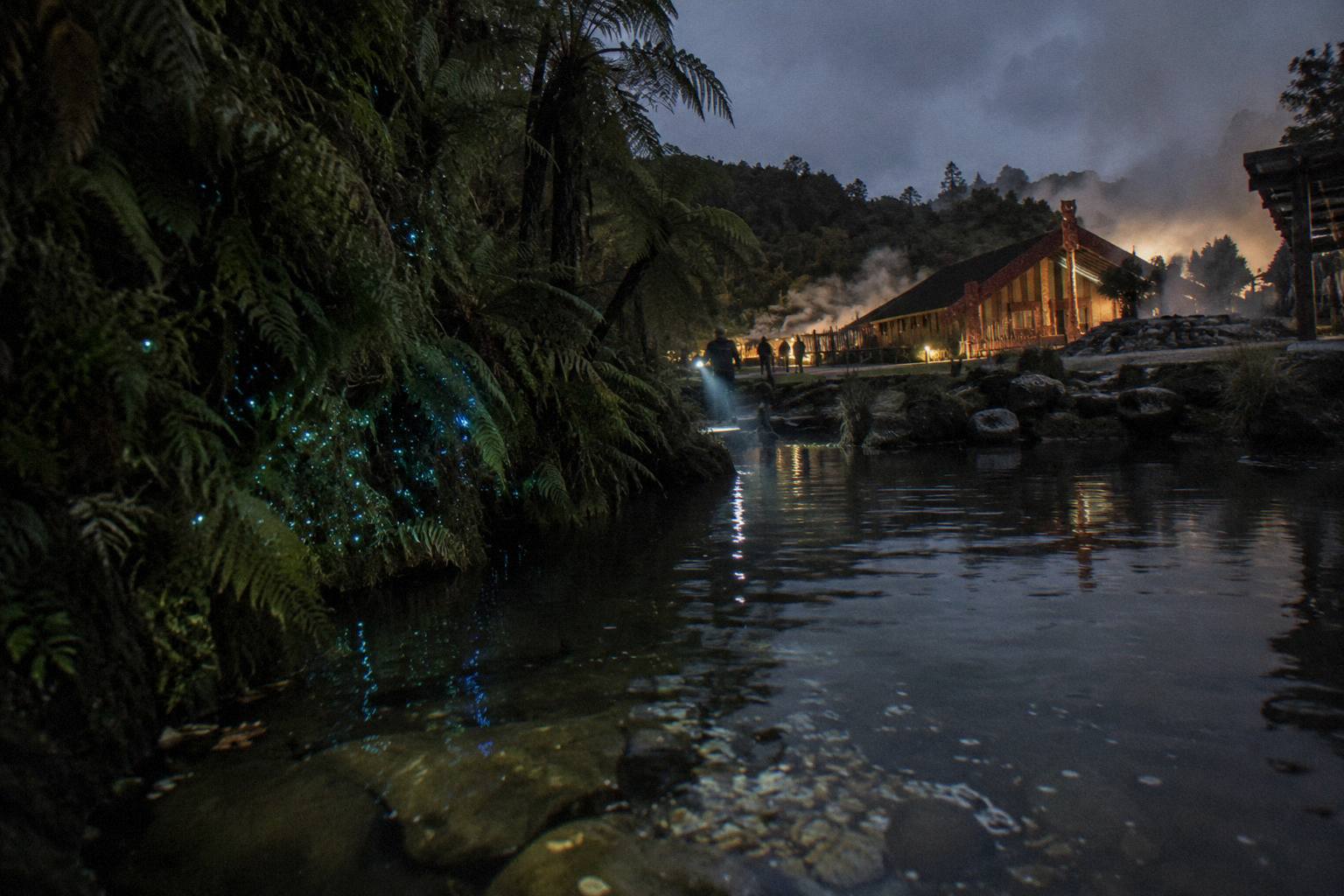
The walk is a listed part of the evening, not an optional extra. Mitai's programme includes the evening bush walk to the old fortified village site and the sacred spring, with glow worms part of what the operator lists along the way. Because the whole experience runs about three hours and the walk sits later in the programme, you arrive at the track after dark, and after a buffet dinner, which is exactly when steady footwear earns its place in your bag.
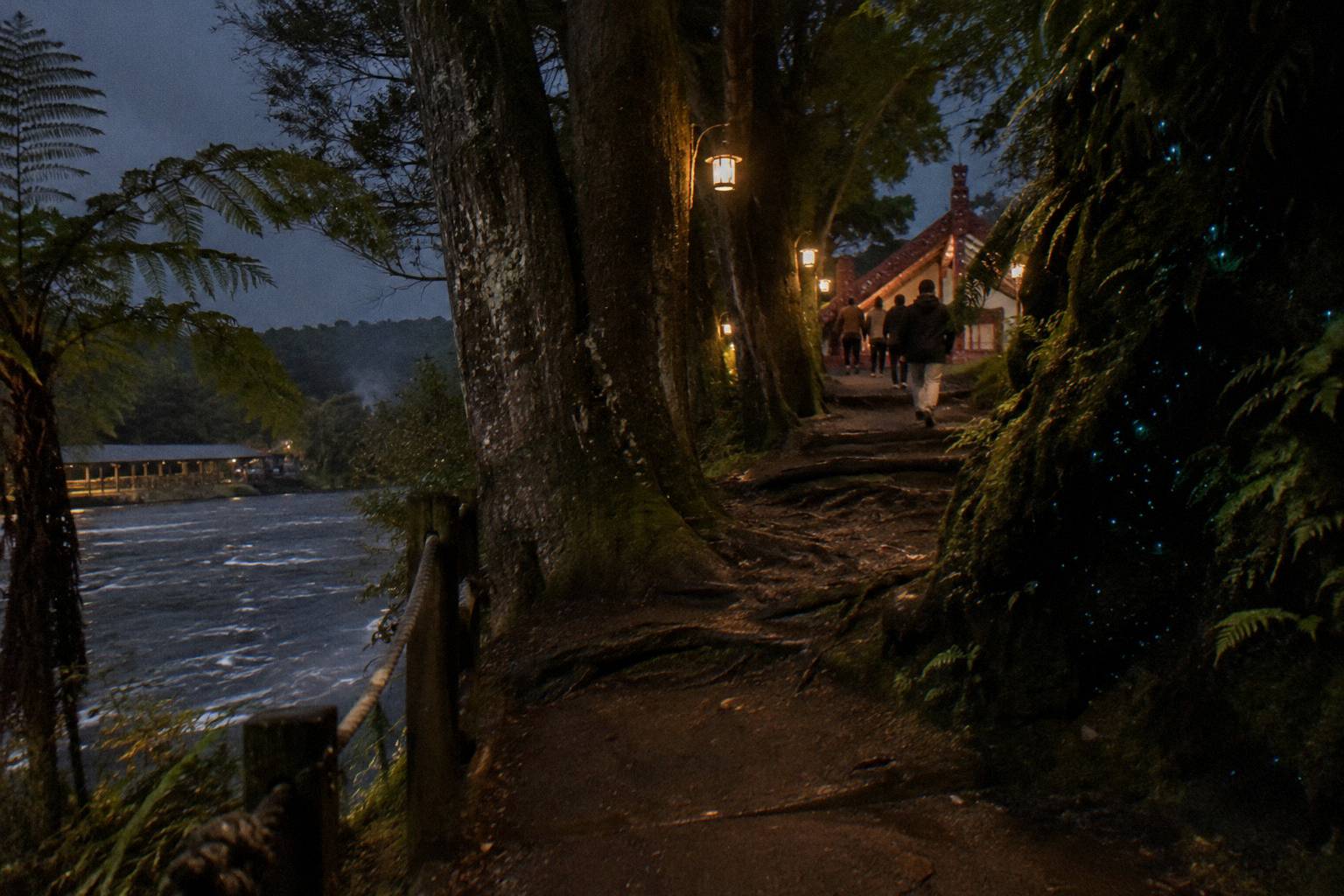
The wheelchair note is worth reading plainly. Mitai states there are some wheelchair limits on the forest walk, which tells you the track is not a smooth paved path, and that in turn tells you what shoe to bring. If anyone in your group has limited mobility, raise it with the operator before booking on +64 7 343 9132, since the operator can describe the current track conditions far better than any summary can. Children old enough to walk the track themselves need the same enclosed shoes as the adults, and the operator's note that highchairs are limited is a separate matter for families with very small children.
One more footwear point the operator makes in its own way: photography is welcomed in designated areas. If your plan is to photograph the glow worms on the walk, a hands-free arrangement helps, meaning a small bag rather than a handful of things, and shoes that let you stand still on soft ground without slipping.
What To Wear In Winter, Summer And Rain
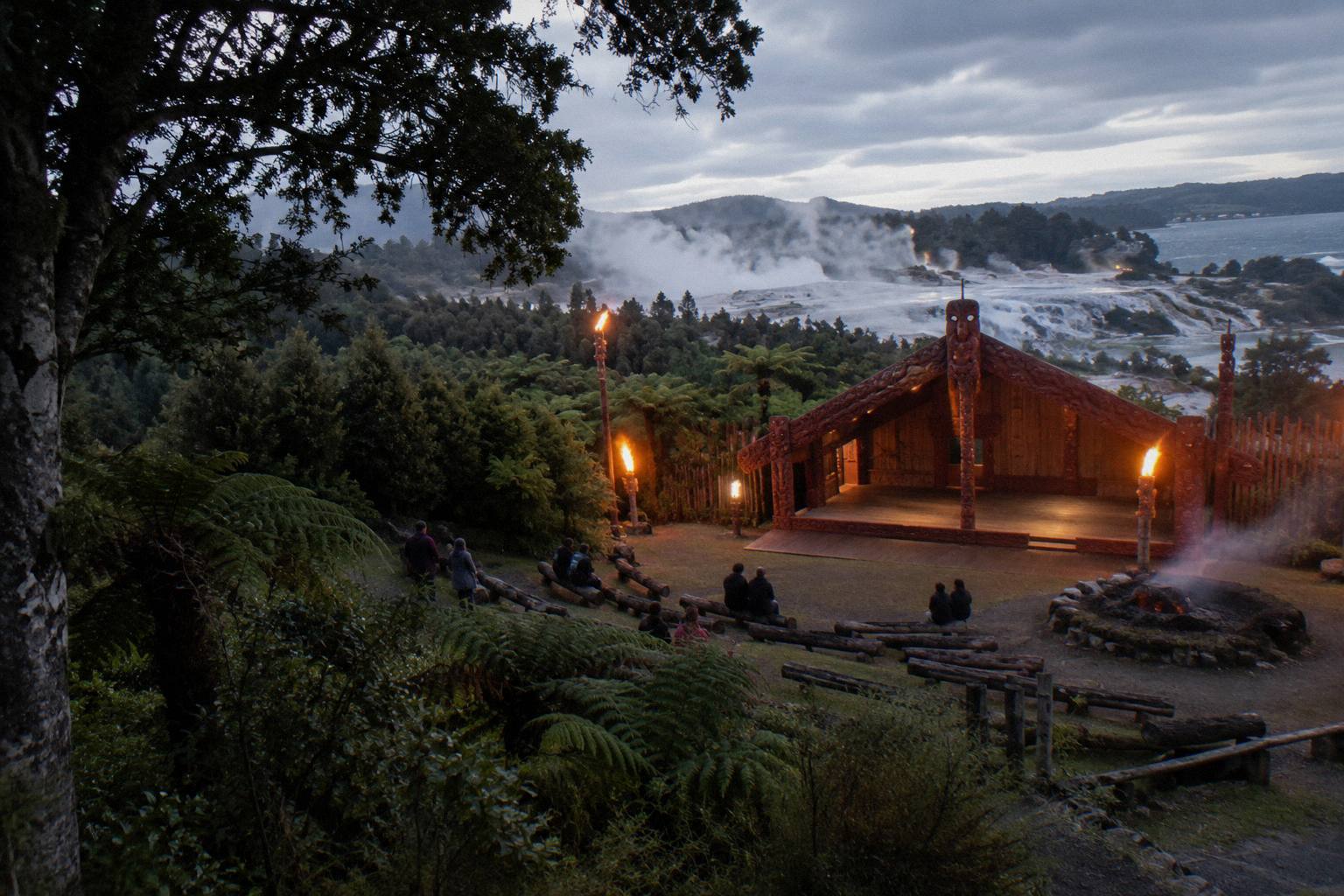
Winter means warm clothing you can keep on outdoors for the whole of a roughly three-hour evening, summer means breathable layers plus a hat for the early daylight portion, and rain means a jacket with a hood, because Mitai states that umbrellas are limited on site. All three lines come from the operator's published guidance. The outdoor portions of the evening do not shrink when the temperature drops, so layers are the practical answer in every month of the year, not only in the depths of winter.
Rotorua's seasons do the rest of the work. A winter night in the forest, standing beside a stream while a waka passes, asks for a warm layer under your jacket and something on your head. A summer evening starts warm enough for a hat in the daylight hours and can still cool noticeably once the sun is down, which is why the operator's summer line mentions a hat rather than saying summer needs nothing. Rain is the third case, and the operator handles it in one word, a jacket, alongside the note that umbrellas are limited.
| Condition | Operator's line | Practical interpretation |
|---|---|---|
| Winter | Warm clothing in winter | A warm midlayer under a jacket, long trousers, enclosed shoes |
| Summer | A hat in summer | A sun hat for the start, plus a light layer for after sunset |
| Rain | A jacket when raining | A rain jacket with a hood, since umbrellas are limited |
| All conditions | Comfortable shoes for the bush walk | Enclosed, worn-in walking shoes on every visit |
Families packing for children aged 4 to 13, who pay the operator's child price of NZD 115.74, should apply the same rows to smaller versions of each item, and add a spare layer for children who sit still during the performance. The operator notes highchairs are limited, so families with infants should plan seating questions with Mitai directly. None of this is complicated, but it is easier to get right at home than in a motel room twenty minutes before a complimentary transfer arrives.
Practical Extras: Umbrellas, Photography And The Bar
Mitai's practical guidance covers three extras worth knowing before your visit: umbrellas are limited on site, so plan for rain rather than counting on borrowing one when you arrive. Photography is welcome only in designated areas, and while the venue has its own bar, outside alcohol is not permitted. Each line is the operator's own. Together they suggest a light day pack with a jacket, enclosed shoes already on your feet, and nothing that needs both hands on a dark forest track at the end of the night.
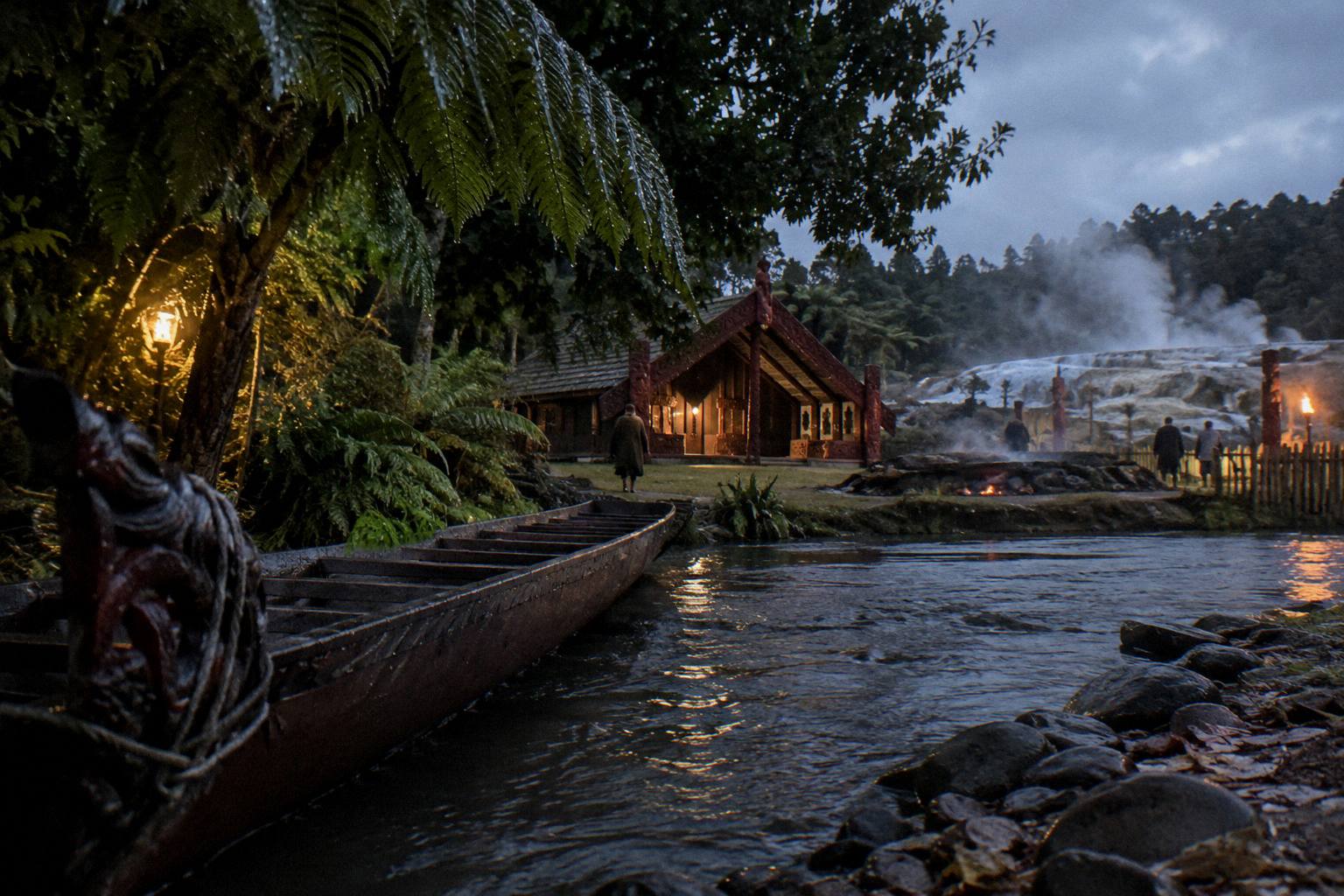
The umbrella limit deserves its own sentence because it is the most misunderstood. Limited does not mean none, but it does mean you should not count on borrowing one if the evening turns wet, and it makes a hooded jacket the reliable choice in any season. The photography line is about where, not whether: designated areas, so follow the evening's guidance on the night rather than assuming every moment is open to cameras, a point that also respects the ceremony the operator lists as Pōwhiri, Wero, Waiata, Mōteatea, Poi and Haka. More of these guides are collected on Rotorua Cultural Dinner.
The bar note is simpler. There is a bar on site and outside alcohol is not permitted, so leave the wine at the accommodation and bring a card or cash alternative if you plan to buy a drink, checking payment options with the operator if that matters to you. Free on-site parking exists at 196 Fairy Springs Road for those self-driving, and complimentary transfers from registered accommodation are available in limited numbers, must be booked, and close at capacity, which means arranging one early if you would rather not drive at all. Whether a transfer or parking suits you better is covered in the guide to pickup and transport to Rotorua cultural evenings.
Is There A Dress Code Or Cultural Dress Rule?
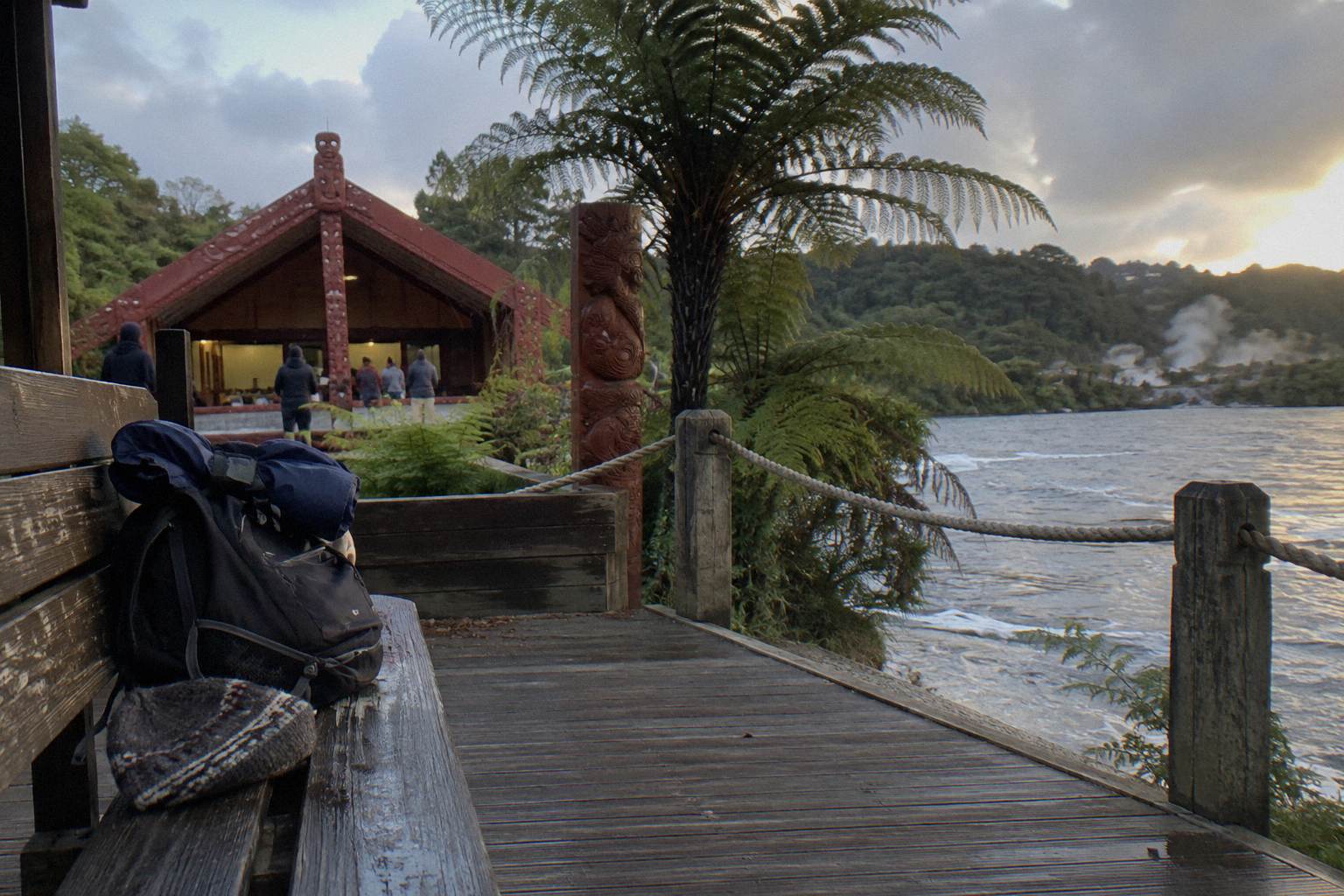
No, there is no dress code at Mitai and no cultural dress rule of any kind. The operator publishes nothing on what to wear beyond practical clothing guidance covering comfort, weather and footwear for the bush walk, and its published advice stops there entirely. Visitors sometimes arrive expecting a protocol around clothing for a Māori cultural evening; at Mitai, the stated expectation is simply that you are dressed for an outdoor forest evening. Comfortable, weather-appropriate clothing and enclosed walking shoes cover every published expectation in full.
That said, respect still shapes the sensible choices. The evening includes a welcoming ceremony and a cultural performance, and the operator welcomes photography only in designated areas, which is the visible edge of the protocols the operator runs on the night. Clothing that is comfortable, modest enough for a ceremony setting and practical for walking covers every stated expectation. If you want the wider picture of behaviour rather than clothing, the guide to showing respect in Māori culture works through the topic with the same source discipline.
For readers comparing evenings before booking, the general dress question across Rotorua's cultural nights, including seasonal notes, is gathered in what to wear to a Māori cultural evening. Mitai is the only dinner operator that publishes explicit clothing lines, which is itself a useful fact: where guidance exists, you can pack with confidence, and where it does not, you ask.
What About Other Rotorua Cultural Evenings?
Te Pā Tū, Te Puia and Whakarewarewa do not publish dress guidance on the pages this site works from, so there is no stated dress code for any of these three cultural evenings; if you want certainty about what to wear, the simplest step is to contact the operator directly before you book or attend. Mitai is the exception with published lines. That gap does not mean those evenings need formal wear or special kit; it means their operators have not published clothing advice, and the honest move is a direct question rather than an invented answer borrowed from another venue's page.
The comparison still helps you decide, even without dress lines. Te Pā Tū runs its evenings in a forest pā reached by a coach transfer included from central Rotorua, with a summer season called Tū Te Rā and a winter season called Tū Te Ihi, so an outdoor forest setting is part of that night too, and its winter page notes the site is wheelchair and buggy accessible. Its operator's prices are NZD 290 adult and NZD 125 child in summer, NZD 280 and NZD 115 in winter, and the evening is rated 4.8 on its booking page. Sensible packing for a forest pā looks much like Mitai's list, but that is inference from the setting, not an operator line, so confirm with Te Pā Tū directly.
Te Puia's Te Pō evening is a different shape: it starts from 5:30pm, runs about 2.5 hours, and moves between a carved meeting house performance, a geyser terrace for hot chocolate and a buffet dinner in the Pātaka Kai Restaurant and Bar, with the operator's price at NZD 203 and a 4.7 rating on its booking page. Some of that evening is indoors, some is on terraces, and the site is cashless with free parking. Dress guidance is not stated on the operator's night experiences page, so a warm layer for the terrace portion is again reasonable inference to confirm by phone. Whakarewarewa The Living Māori Village is a daytime venue with no evening dinner, so its clothing question belongs to daylight hours and its performance page is the place to ask.
A Packing Checklist Before You Leave Your Accommodation
Pack a hooded jacket for any season, a warm midlayer in the cooler months, a sun hat in summer, worn-in enclosed walking shoes, and a small bag that leaves your hands free for the dark walk to the sacred spring. That five-item list covers every line Mitai publishes plus the practical notes the operator attaches to the site. If your bag holds those things and nothing fragile, you are dressed for every part of the evening as the operator describes it, from the welcoming ceremony through the buffet dinner to the glow worms.
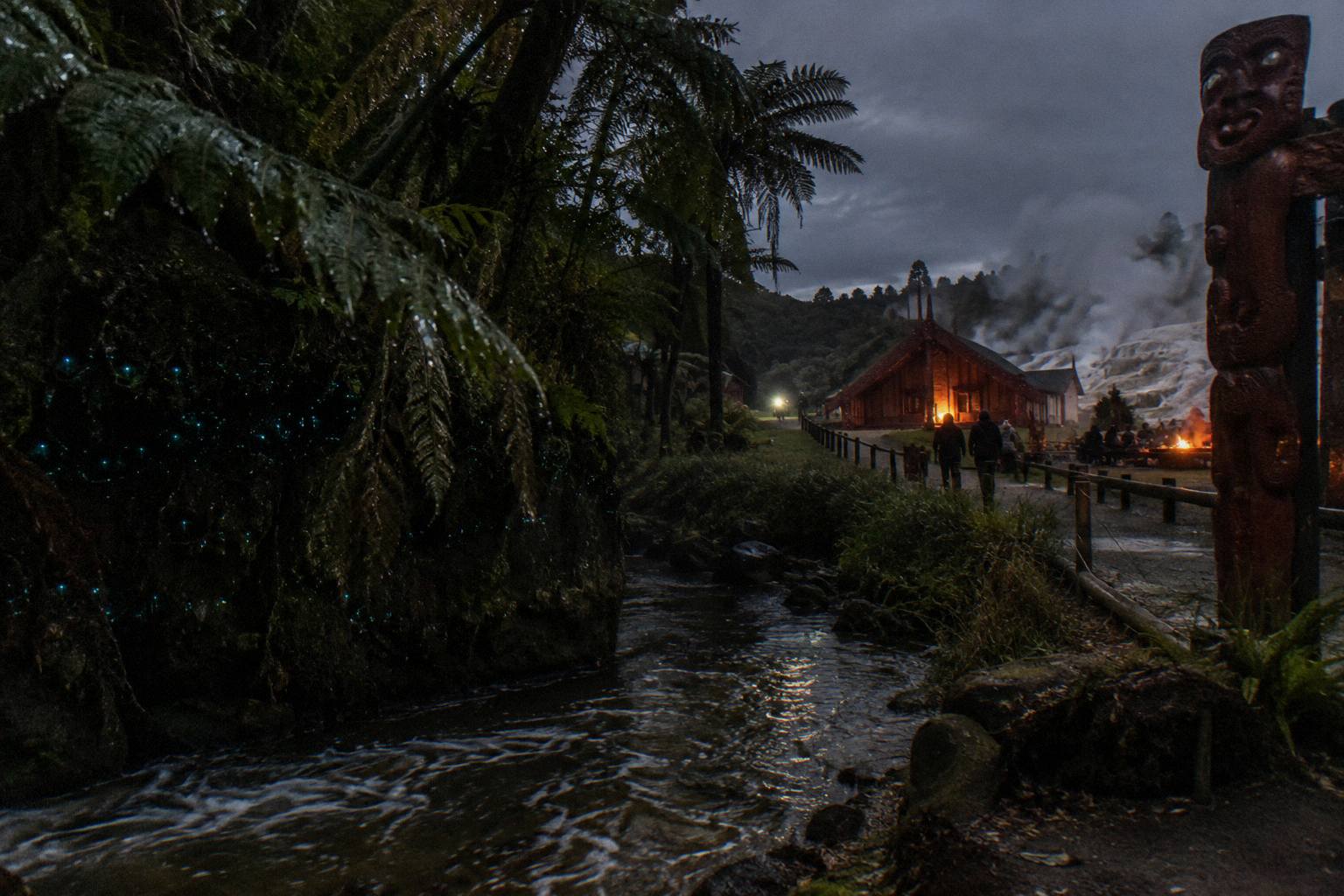
Work through the evening in order and the list checks itself. You stand outdoors for the welcoming ceremony and the hāngī unveiling, so weather layers and a jacket come first. You sit for the performance and the buffet dinner, so comfort matters. You walk the forest track after dark to the sacred spring, so the shoes matter most of all. You may want photographs, and designated areas mean a camera or phone that fits in a pocket or small bag beats anything you have to carry by hand.
Families can add two items: a spare warm layer for children who sit still during the performance, and a question to the operator about highchairs, which are limited, if an infant is travelling with you. Transfers from registered accommodation are complimentary but limited and must be booked, and the transfer list closes at capacity, so that arrangement belongs on the same checklist as the jacket, made in advance rather than on the afternoon of the evening.
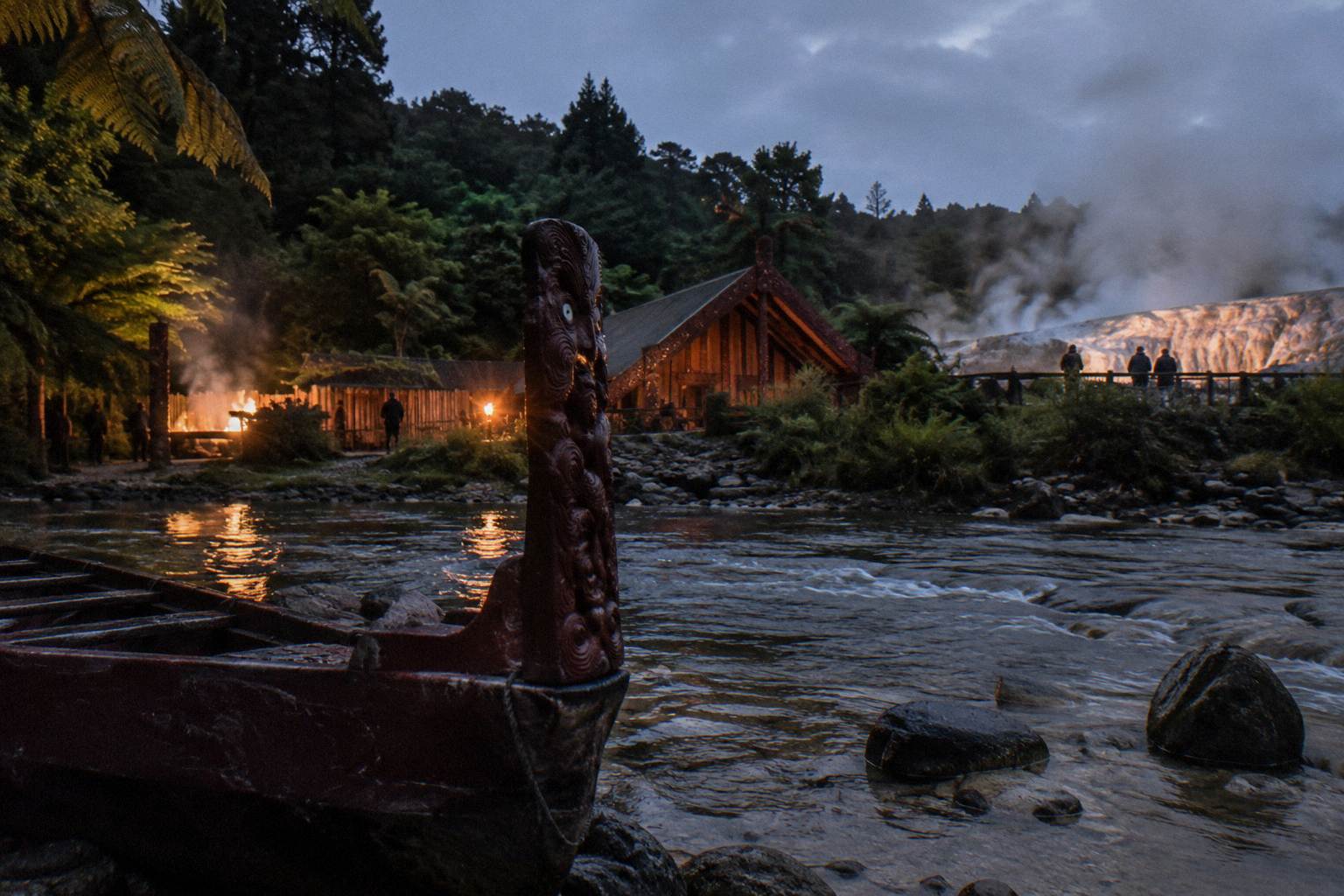
Common Mistakes When Dressing For Mitai Māori Village
The recurring mistakes are relying on an umbrella that may not be there, wearing shoes that have never been walked in, dressing only for the warm start of a summer evening, and carrying outside alcohol or more gear than a dark forest track allows. Each one traces back to a line the operator publishes or a feature of the evening the operator lists. None of them are cultural errors; they are comfort errors, and each is avoidable with a single packing decision made the day before.
Relying on an umbrella fails because the operator states umbrellas are limited, and a rainy night with no jacket turns the bush walk into the hardest part of the evening. New shoes fail because three hours that end on an unpaved track at night is the wrong place to break in leather. Light summer dressing fails because the operator's own summer line still mentions a hat, and the walk happens after dark, when a forest beside a stream cools quickly. Bringing outside alcohol fails outright, since the site has a bar and does not permit it, and over-packing fails gently, because the evening asks you to walk, stand and sit, not to haul luggage.
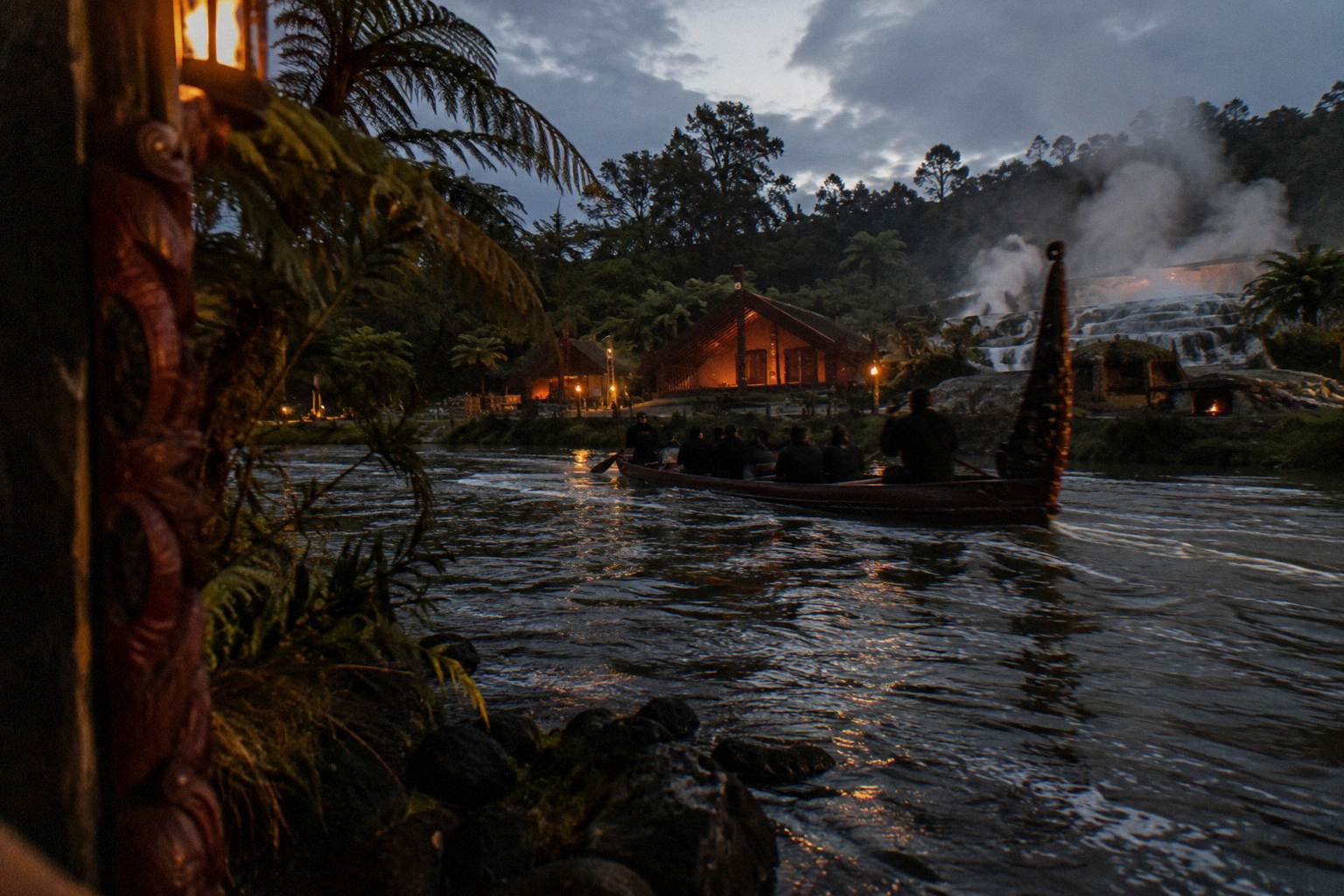
One quieter mistake is assuming the whole evening is seated and indoor. The operator's programme lists the waka on the Wai-o-Whiro Stream, the hāngī unveiling and the bush walk, all of them outdoor moments on natural ground. Dress for the walk and the ceremony, and the seated parts of the night look after themselves.
Common Questions About What To Wear To Mitai Māori Village
What To Wear To Mitai Māori Village?
Comfortable clothing and walking shoes, dressed for the weather: warm clothing in winter, a hat in summer, and a jacket when it is raining. Mitai's own guidance also asks for comfortable shoes for the evening bush walk to the sacred spring, and notes umbrellas are limited on site, so a hooded jacket beats an umbrella.
Is There A Dress Code At Mitai Māori Village?
No. The operator publishes practical clothing guidance for comfort and the bush walk, not a dress code or a cultural dress rule. Comfortable, weather-appropriate clothes and enclosed walking shoes cover every stated expectation.
What Shoes Should You Bring For The Bush Walk?
Enclosed walking shoes with grip that are already worn in. The bush walk follows a forest track after dark to the old fortified village site and the sacred spring Te Puna Tapu o Tūhoe, and the operator notes some wheelchair limits on the walk, which points to uneven natural ground.
Can You Bring An Umbrella To Mitai?
The operator states umbrellas are limited on site, so you should not rely on borrowing one. A rain jacket with a hood is the dependable wet-weather choice in any season.
What Should Children Wear To The Evening?
The same guidance as adults: comfortable clothing, warm layers in winter, and enclosed shoes for the bush walk. Children aged 4 to 13 pay the operator's child price of NZD 115.74, and the operator notes highchairs are limited, so families with infants should raise seating with Mitai directly.
Does Any Other Rotorua Cultural Evening Publish Dress Guidance?
Not on the pages this site works from. Te Pā Tū, Te Puia and Whakarewarewa do not state dress guidance, so ask those operators directly. Mitai is the one dinner operator with published clothing lines, which makes packing for its evening straightforward.