Where Is Mitai Māori Village And How Do You Get There?
Mitai Māori Village sits at 196 Fairy Springs Road in Rotorua. Here is how to get there by car, the complimentary transfer rules, and how the other cultural evenings handle transport.
Mitai Māori Village is at 196 Fairy Springs Road, Fairy Springs, Rotorua 3015, on the operator's own contact details. You can arrive three ways: drive and use the free on-site parking, take the complimentary transfer from registered accommodation, which has limited numbers and must be booked, or be dropped off. The operator's phone number is +64 7 343 9132 and its email is reservation@mitai.co.nz.
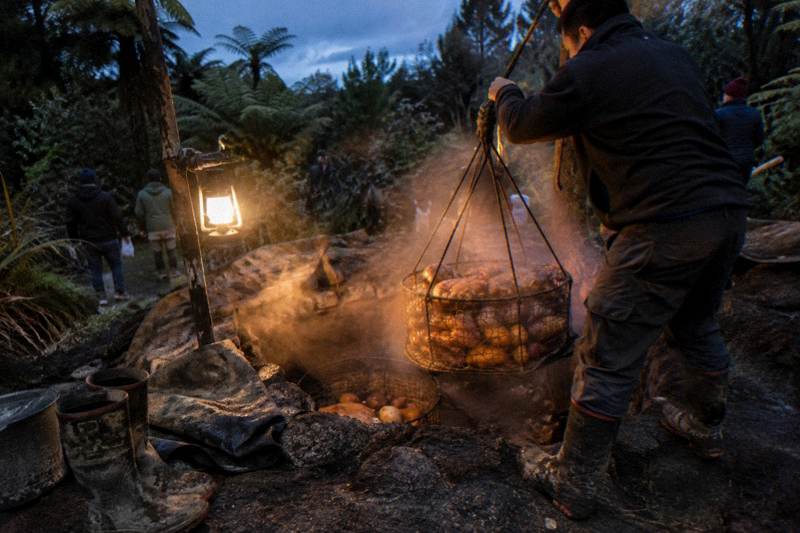
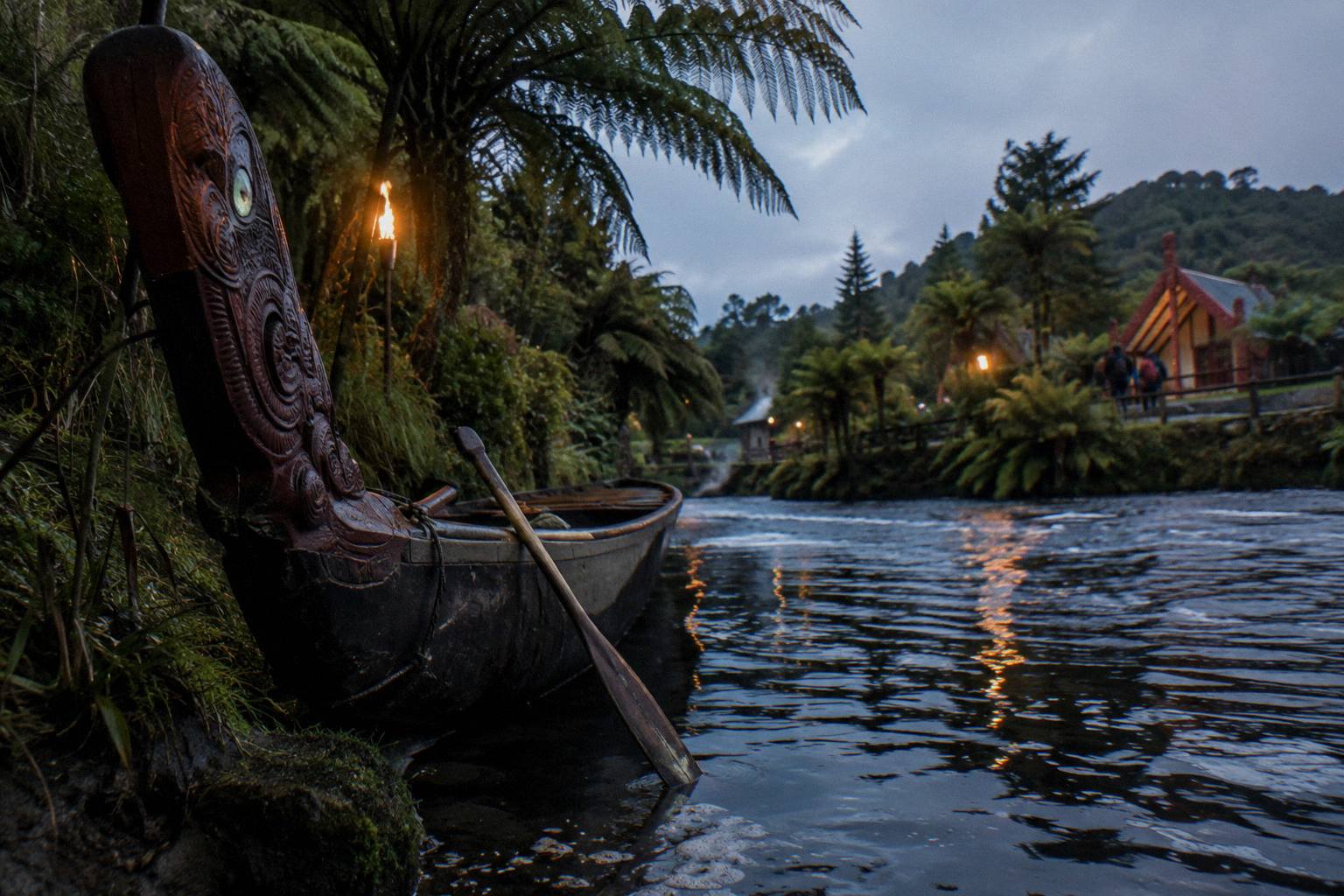
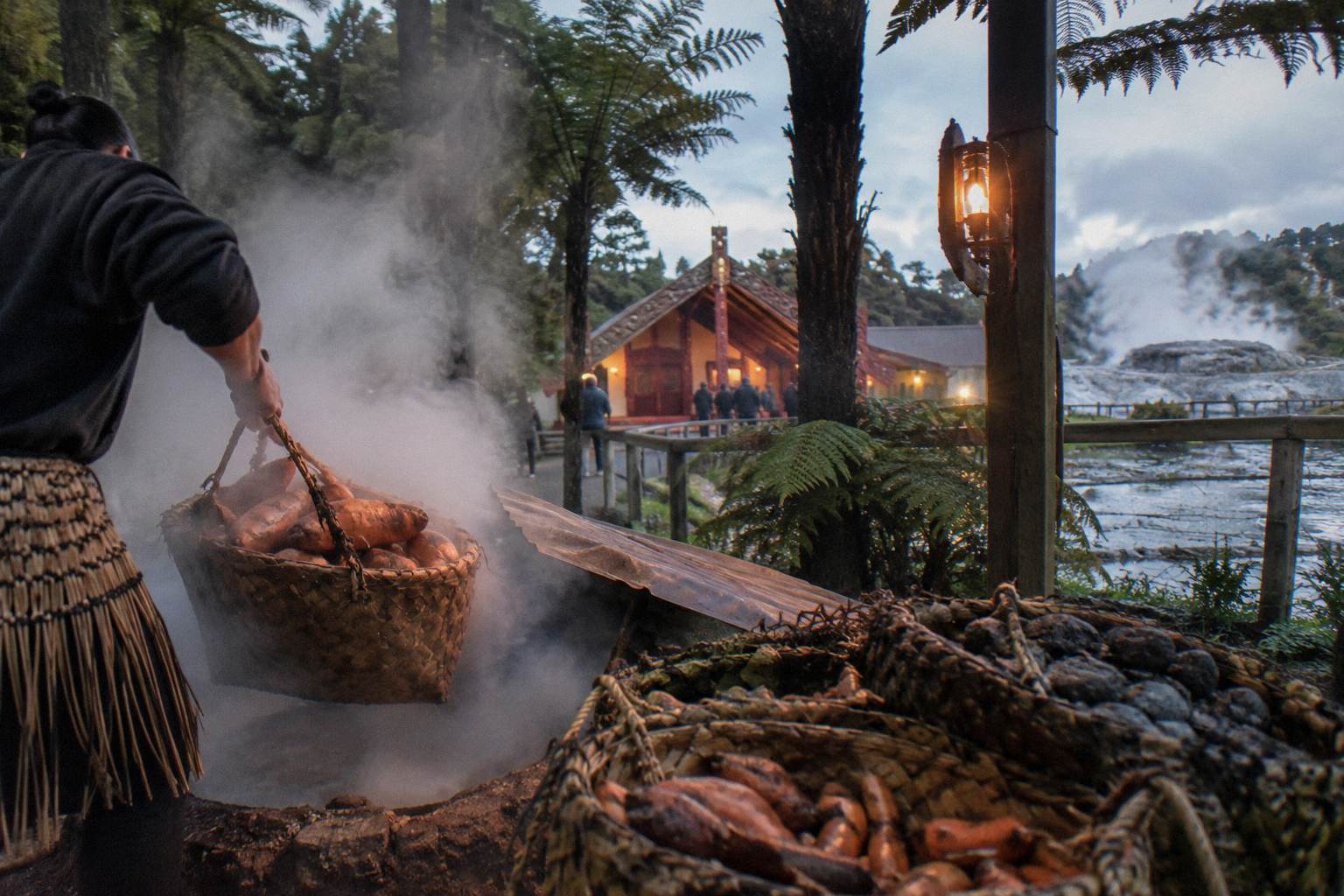
Mitai Māori Village is one of Rotorua's long-running cultural evenings, a family owned and operated business that speaks, in its own words, of "our Te Arawa people". The evening it is known for is the Authentic Hāngi Dinner Experience, about three hours long, which the operator labels "Most Popular" on its own page. The evening includes a welcoming ceremony, the hāngī unveiling, warriors paddling a waka down the Wai-o-Whiro Stream, a cultural performance the operator lists as Pōwhiri, Wero, Waiata, Mōteatea, Poi and Haka, a full buffet hāngī dinner, question time, and an evening bush walk to the old fortified village site and the sacred spring Te Puna Tapu o Tūhoe.
Knowing exactly where the village is and how arrival works matters because this is an evening event with a bush walk component. The operator publishes the address clearly, but a few practical points, the transfer capacity, the parking, and the walking shoes, shape whether the evening goes smoothly. This article sets out everything the operator states about the location and the journey, and compares it with how the other Rotorua cultural evenings handle transport, so a reader deciding which evening to book can factor the trip itself into the choice. The full detail of the evening's contents is on the Mitai village guide.
Where Exactly Is Mitai Māori Village?
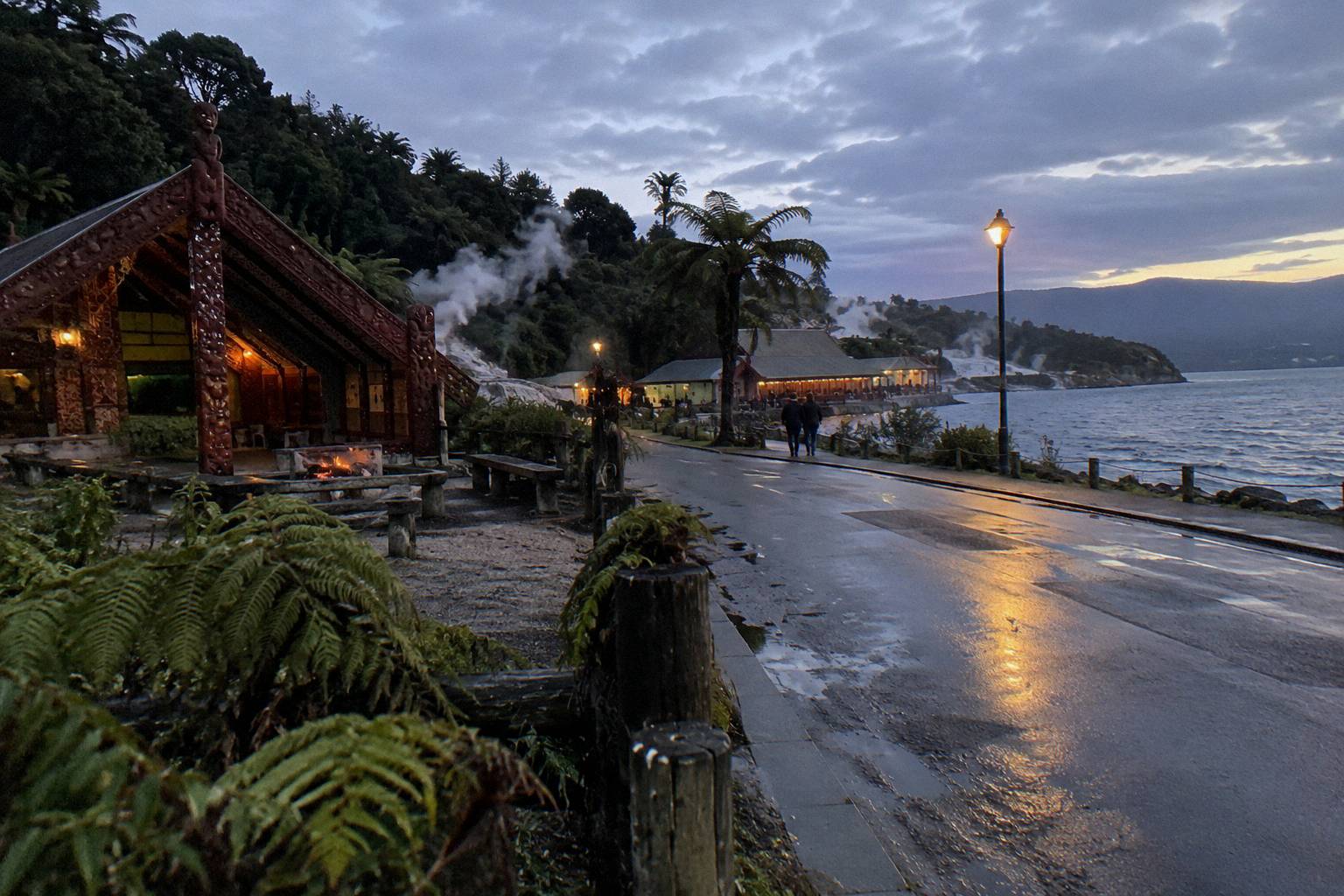
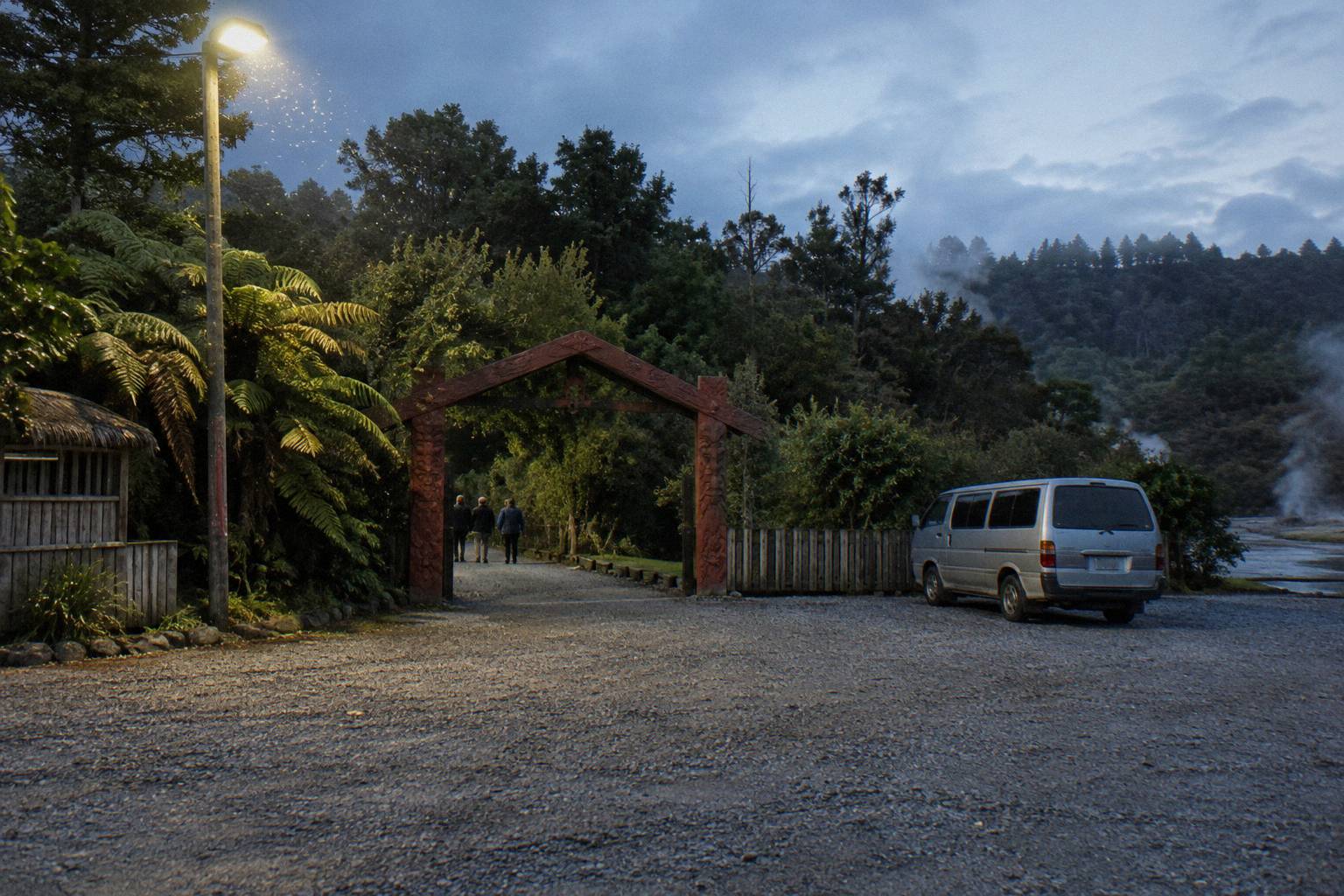
The village stands at 196 Fairy Springs Road, Fairy Springs, Rotorua 3015, an address the operator prints on its own site. That places it within Rotorua city, not out in the surrounding countryside, and the entrance has free on-site parking. The operator does not publish a street map, walking route or drive time on its public pages, and no other address for the village exists. Any direction beyond the street address should come from the operator directly.
The address is the operator's own, listed alongside its phone number, +64 7 343 9132, and its reservation email, reservation@mitai.co.nz. Bookings run through a booking widget on the operator's site rather than by phone, though the phone line exists for questions. If anything about the entrance, the parking or finding the village on the night is unclear, those contact details are the official channel.
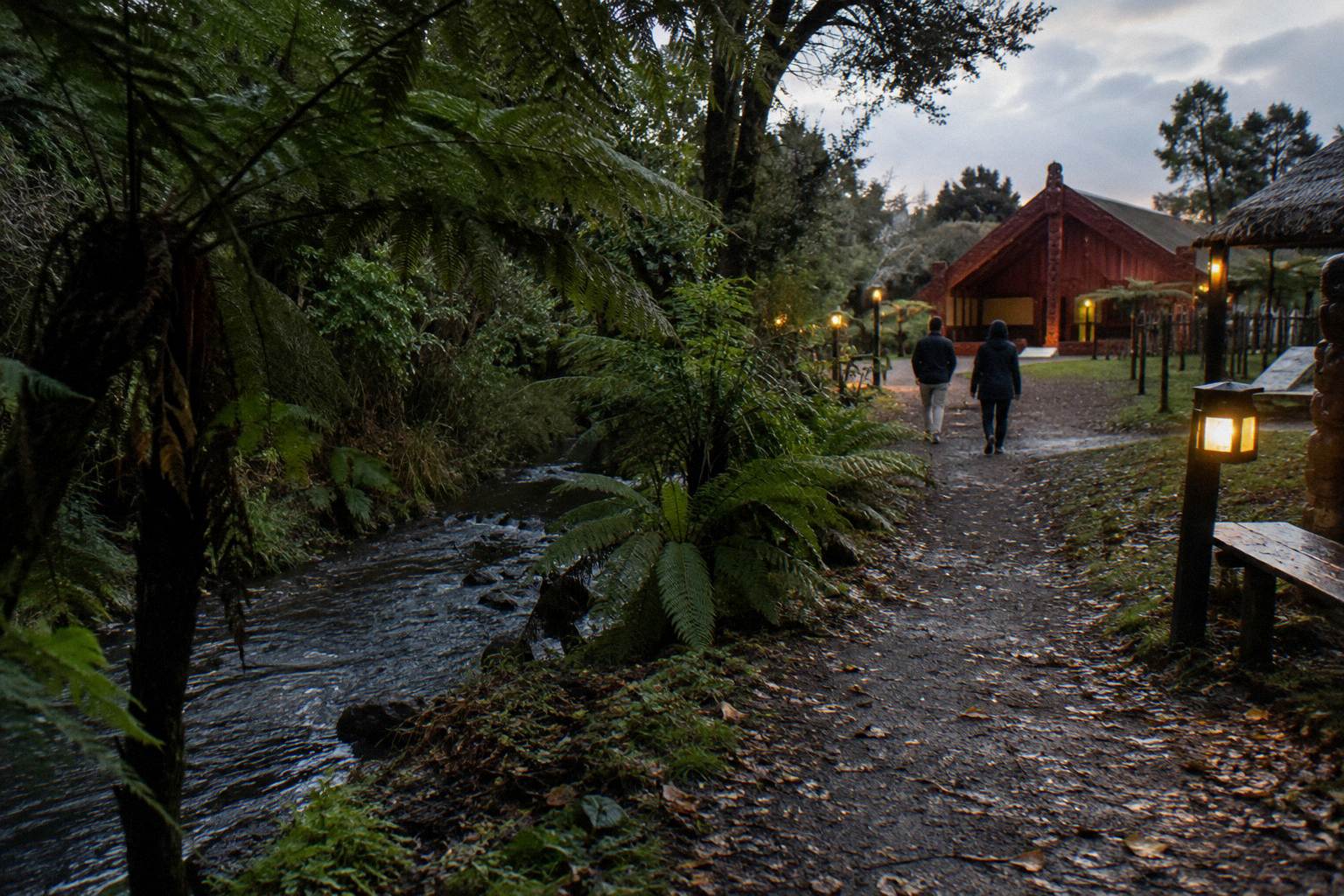
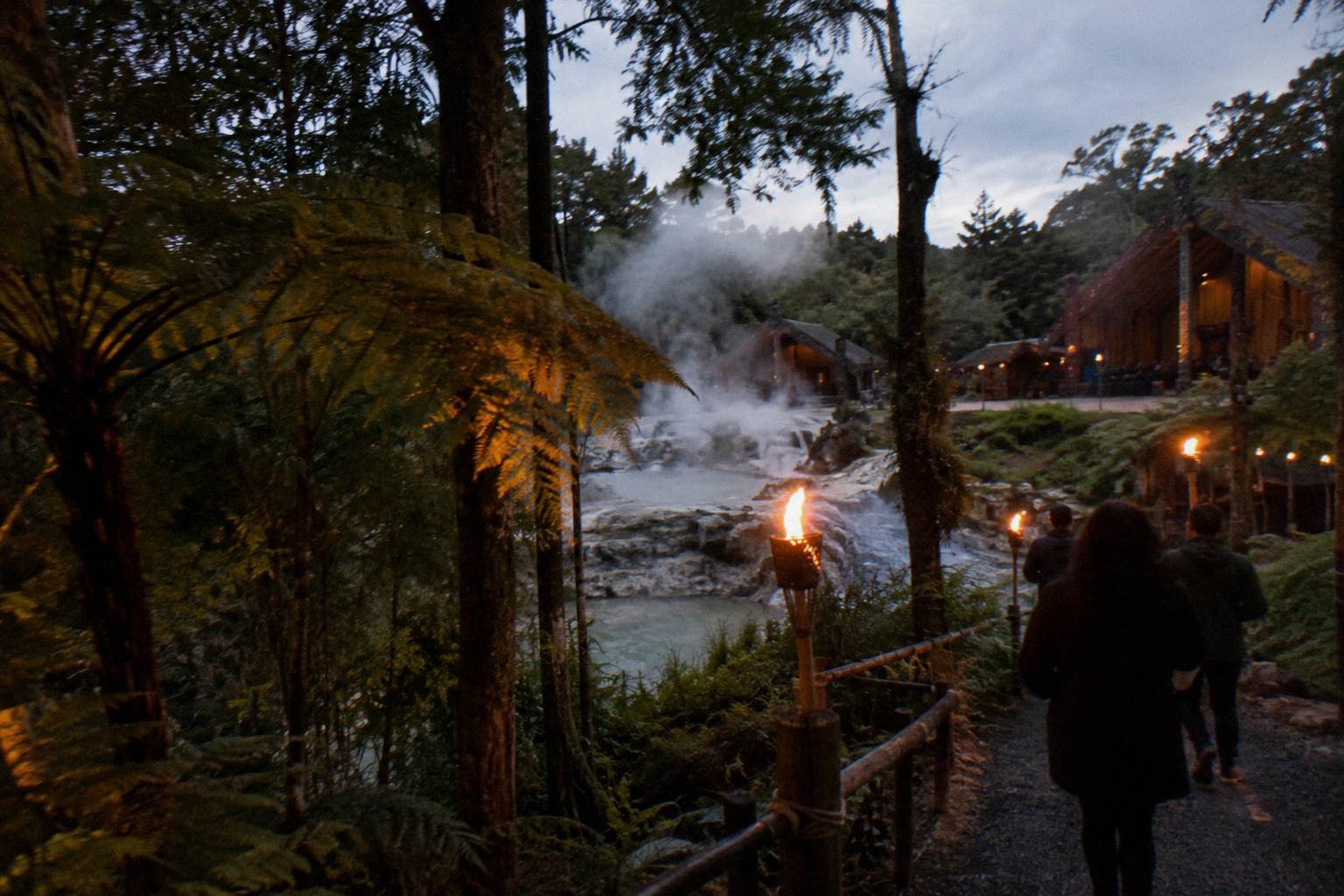
One point worth knowing before planning: the village is not a single building but a site that includes a bush walk. The evening's walk goes to the old fortified village site and the sacred spring Te Puna Tapu o Tūhoe, and glow worms are part of the listed experience. That means arrival involves more than stepping from a car park into a dining room, and footwear matters, which the operator addresses in its dress guidance. The full detail of the evening's flow is covered in what the Mitai Māori Village dinner is like.
It is also worth separating Mitai from a name that confuses searches. Tamaki Māori Village is the former name of Te Pā Tū, a different operator whose forest pā sits a short coach ride south of central Rotorua at an address the operator does not publish. Mitai and Te Pā Tū are two separate evenings at two separate locations, and only Mitai's address is public.
Driving And Parking At 196 Fairy Springs Road
Driving is the simplest way to reach Mitai Māori Village: the operator states there is free on-site parking at the Fairy Springs Road address. No parking fee, no booking for a space and no park-and-walk arrangement appear on the operator's pages. For anyone with a rental car or their own vehicle, the operator's practicalities make arrival straightforward, with the parking on the same site as the village itself.
The free parking is one of several practical details the operator lists for the evening. Alongside it, the operator notes there is a bar on site and that outside alcohol is not permitted, that highchairs are limited, that umbrellas are limited, and that there are some wheelchair limits on the forest walk. None of these change how you arrive, but the bar and the limited umbrellas are worth knowing if the forecast is wet and the plan was to bring a drink or a brolly.
The operator's practicalities page, which is the operator's own experience page, is where the parking, transfer and dress details are published. Because prices and conditions can change, that page is the reference for anything time-sensitive. The operator's price for the dinner evening is NZD 188.34 for adults aged 14 and over and NZD 115.74 for children aged 4 to 13, figures the operator itself states and which can change.
The Complimentary Transfer From Registered Accommodation
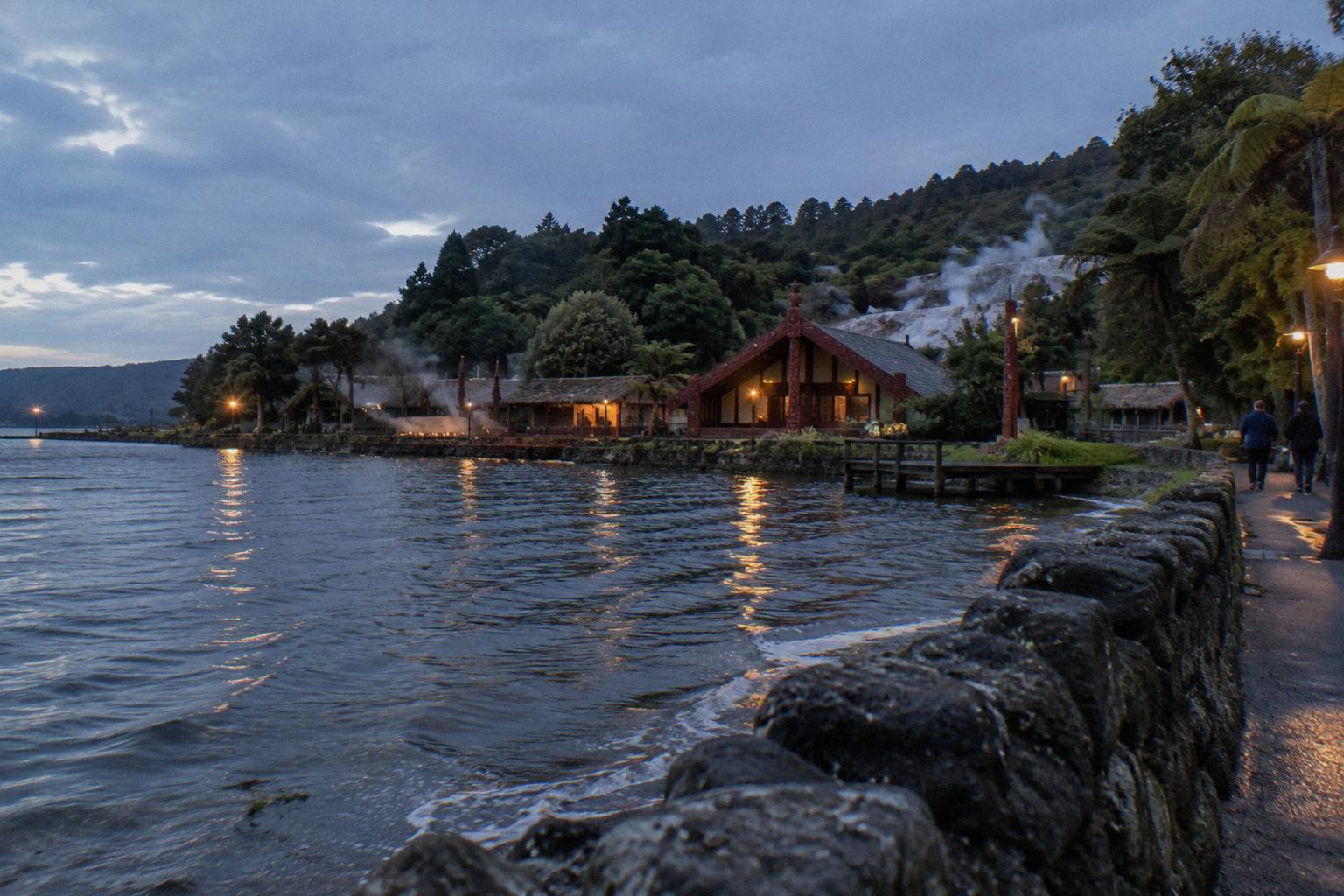
Mitai offers complimentary transfers from registered accommodation, but the operator attaches three conditions: numbers are limited, the transfer must be booked, and it closes at capacity. This is not an automatic shuttle for every guest. Anyone planning to use it needs to arrange it in advance, and if the transfer list is full, the fallback is the free on-site parking or a drop-off at the Fairy Springs Road address.
The phrase "registered accommodation" is the operator's own. What it means in practice is that the transfer serves accommodation providers that are part of Mitai's pickup arrangement, so the first question to ask when booking is whether your hotel, motel or hostel is on that list. The operator does not publish the list of registered properties on its public pages, so this is a question for reservation@mitai.co.nz or the booking widget at the time of booking rather than something to assume on arrival day.
The capacity limit matters for planning. Because the transfer closes at capacity, booking the evening late does not guarantee a seat on the shuttle even when dinner tickets are still available. Anyone staying outside the registered properties, or arriving in Rotorua on the day itself, should plan on driving, being dropped off, or using a taxi or ride share to the street address. No bus route to Mitai is stated on the operator's pages.
For a broader comparison of how every Rotorua cultural evening handles pickup, including the coach-included option at Te Puia's neighbour Te Pā Tū, the site's guide to pickup and transport to Rotorua cultural evenings works through each operator side by side.
How The Other Cultural Evenings Handle Getting There
Each of Rotorua's evening cultural experiences treats transport differently: Mitai has limited complimentary transfers from registered accommodation plus free on-site parking, Te Pā Tū includes return coach transport from central Rotorua, and Te Puia's Te Pō evening states no hotel transfer at all, naming the City Ride bus every 30 minutes until 6PM, Uber and taxi instead, with free parking at 20 Hemo Road. Transport can decide the evening as much as the menu does.
The contrast is sharpest between Te Pā Tū and Te Puia. Te Pā Tū's village address is not published; the operator describes a forest pā set in tawa forest a short coach ride south of central Rotorua, and return transport from central Rotorua is included in both its seasonal evenings, the summer Tū Te Rā (October to April, 3.5 hours, NZD 290 adult and NZD 125 child) and the winter Tū Te Ihi (May to September, 3 hours, NZD 280 adult and NZD 115 child). Guests do not drive to that village at all; the coach is the way in.
| Evening | Location stated by operator | Transfer stated by operator | Parking |
|---|---|---|---|
| Mitai Hāngi Dinner (about 3 hours) | 196 Fairy Springs Road, Fairy Springs | Complimentary from registered accommodation, limited, must be booked | Free on-site |
| Te Pā Tū (summer or winter) | Forest pā south of central Rotorua, address not published | Return coach from central Rotorua included | Not applicable, coach arrival |
| Te Puia Te Pō (about 2.5 hours, from 5:30pm) | 20 Hemo Road, Whakarewarewa | None stated; operator names City Ride bus, Uber, taxi | Free |
| Te Puia Te Pō Combo (from 4pm) | 20 Hemo Road, Whakarewarewa | None stated | Free |
Te Puia's Te Pō evening, about 2.5 hours from 5:30pm with dinner sittings at 5:30pm and 7:15pm, is priced by the operator at NZD 203. Its FAQ names the City Ride bus every 30 minutes until 6PM, plus Uber and taxi, and the site is cashless with a 15-minute early check-in rule or the ticket is forfeited, per Te Puia's FAQ. The Te Pō Combo, from 4pm daily at NZD 290, adds a 90-minute guided valley tour before dinner and runs about 4 to 4.5 hours.
For a traveller with no car, that table is the decision. Te Pā Tū removes driving entirely, Mitai's transfer works only if the accommodation is registered and the shuttle is not full, and Te Puia is self-arrival by bus, taxi or ride share. For readers weighing Mitai against the coach-included evening, the site's comparison of Mitai versus Tamaki versus Te Pā Tū goes deeper than transport alone.
Do You Need A Car For A Mitai Evening?
No, a car is not required, but the no-car plan needs one of two things to be true: either your accommodation is registered for Mitai's transfer and you have booked a seat before it closes, or you can reach 196 Fairy Springs Road by taxi or ride share. The operator publishes no bus route to the village, so public transport is not a stated option for Mitai the way the City Ride bus is for Te Puia.
Rotorua is a compact city, and the three evening venues are all reachable without a private vehicle, just not all the same way. The practical sequence for a car-free Mitai evening is to book the dinner, immediately request the transfer through the booking widget or by email if staying at registered accommodation, and hold the street address plus the operator's phone number for the night. If the transfer is full, a taxi or ride share to Fairy Springs Road is the fallback, and the free on-site parking makes a rented car equally easy if one is already part of the trip.
The one thing not to do is leave the transfer to the last minute. Because the operator states the transfer closes at capacity, an evening booked a day or two ahead may have no shuttle seats left in peak periods. The booking widget is where the transfer is arranged, and it is also where the cancellation terms sit, which the operator does not publish on its public pages. Reading those terms at checkout, for every operator, is the habit worth building before reserving any Rotorua evening.
What To Wear And Bring When You Arrive
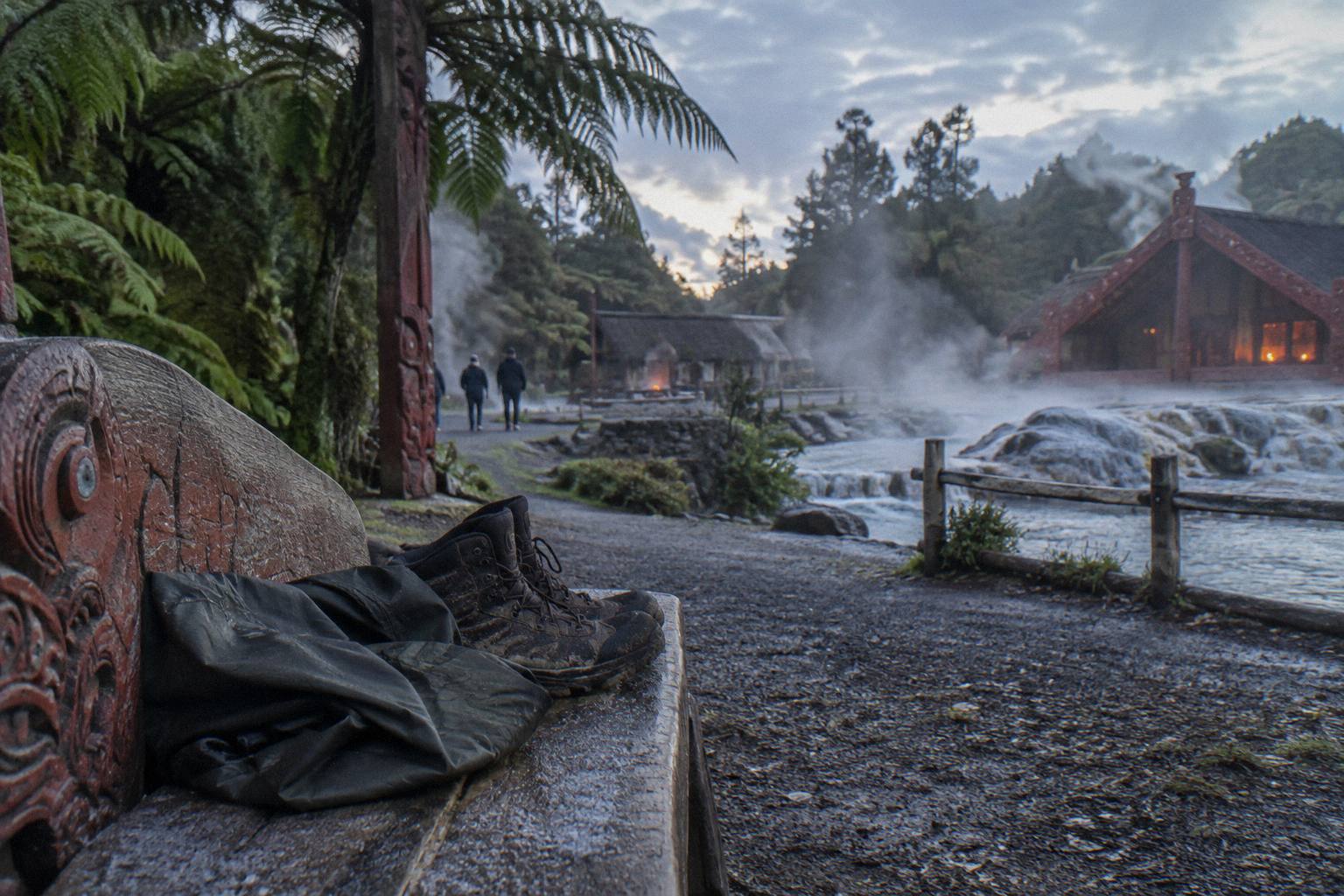
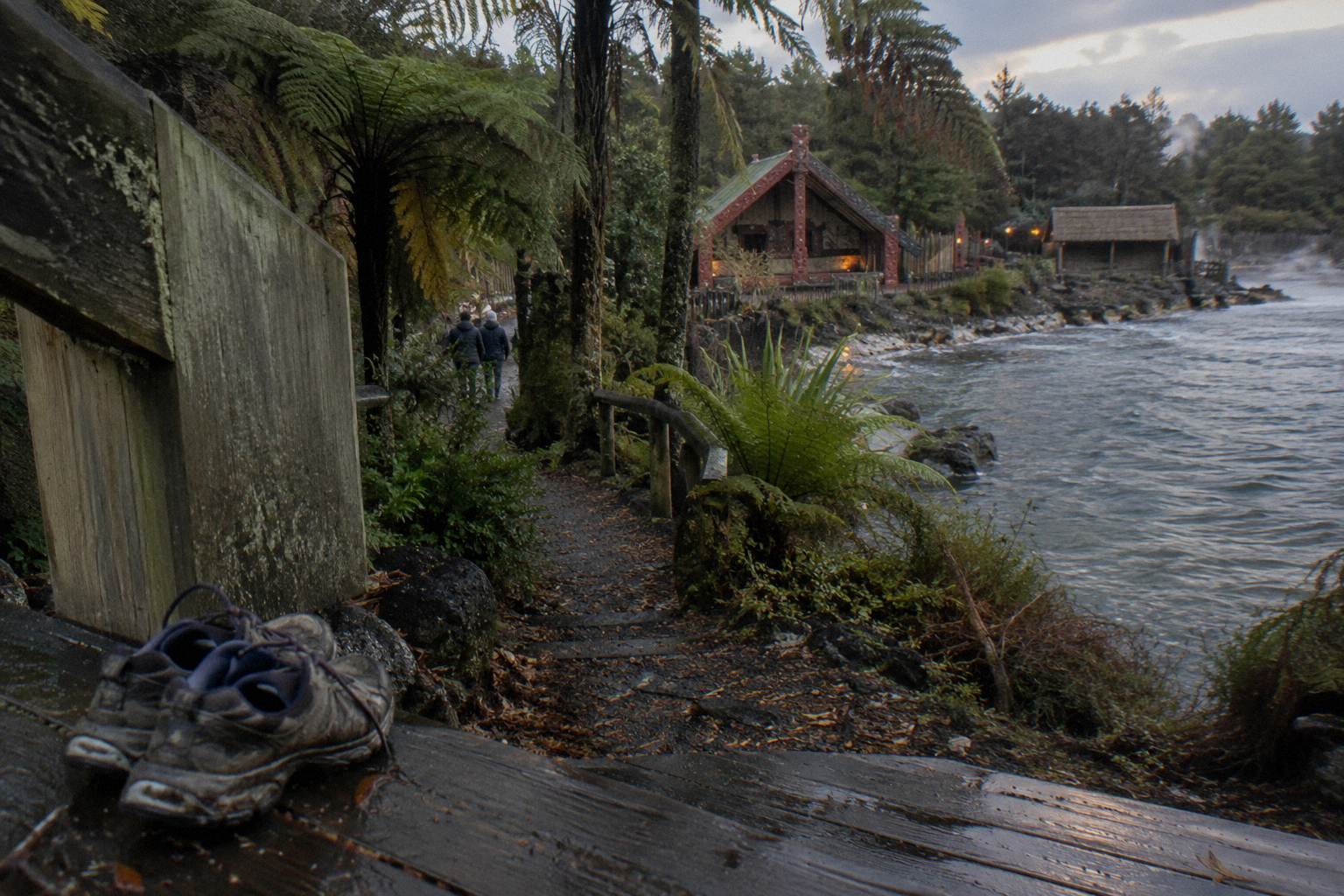
Mitai is the one operator of the three that publishes dress guidance: comfortable clothing and walking shoes, dressing for the weather, warm clothing in winter, a hat in summer and a jacket when it rains. The reason is the evening bush walk to the old fortified village site and the sacred spring Te Puna Tapu o Tūhoe. Footwear suited to a forest path matters more at Mitai than at an evening held entirely indoors.
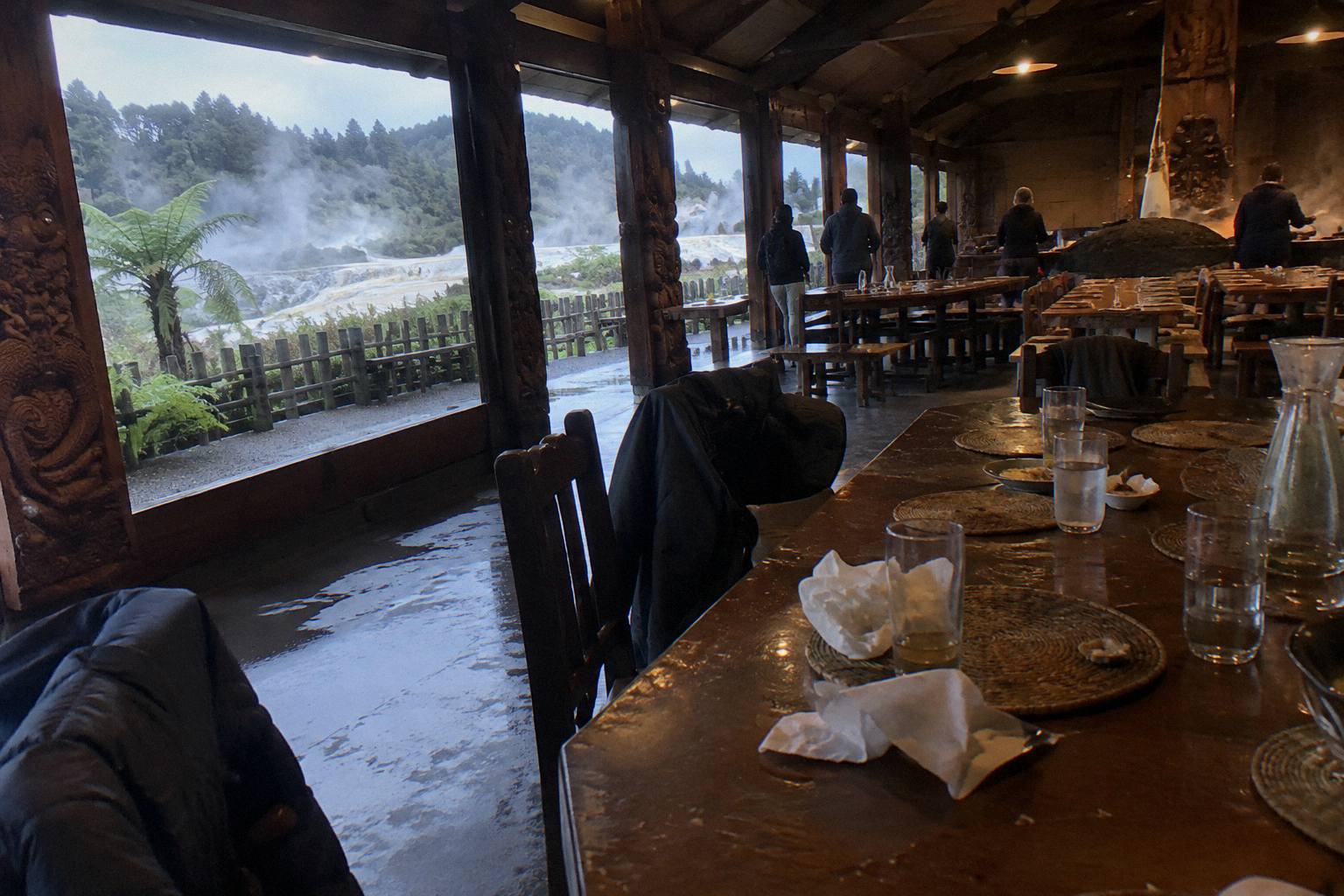
The operator's wording ties the shoe advice directly to the bush walk, so the guidance is practical rather than formal. There is no dress code stated, no cultural dress rule, and no requirement beyond dressing for the weather and the walk. Umbrellas are limited on site, which the operator notes, so a jacket is the safer wet-weather choice than relying on borrowing cover on arrival. The site's dedicated piece on what to wear to Mitai Māori Village covers this in full.
For the other two evenings, dress guidance is not stated on the operators' pages. Te Pā Tū and Te Puia publish nothing on what to wear, so the honest answer for those evenings is to ask the operator when booking, since both involve outdoor movement between elements: the torchlight walk to the feast at Te Pā Tū's summer evening, and the geyser terrace hot chocolate at Te Puia, both listed on the operators' own pages, the latter per Te Puia's night experiences page.
Children, Accessibility And Other Arrival Details
Mitai's child price covers ages 4 to 13 at NZD 115.74, the adult price applies from age 14, and infants 3 and under have no published price. Highchairs are limited, and the operator notes some wheelchair limits on the forest walk. Te Puia states under 4s are free per the booking page, and Te Pā Tū welcomes children at NZD 125 summer and NZD 115 winter. Families and wheelchair users should weigh these details before choosing.
The accessibility note at Mitai is specific: the limits are on the forest walk, not stated for the dining or performance elements. That distinction matters because the walk is one of the evening's listed highlights, the route to the old fortified village site and Te Puna Tapu o Tūhoe, with glow worms along the way. A guest who cannot manage the walk may still be able to attend the dinner and performance, but that arrangement is a question for the operator ahead of booking, not an assumption to make on the night.
| Detail | Mitai | Te Pā Tū | Te Puia Te Pō |
|---|---|---|---|
| Child price | NZD 115.74, ages 4 to 13 | NZD 125 summer, NZD 115 winter | Not stated |
| Adult price | NZD 188.34, from age 14 | NZD 290 summer, NZD 280 winter | NZD 203 |
| Infants | 3 and under, price not shown | Minimum age not published | Under 4 free per the booking page |
| Wheelchair access | Some limits on the forest walk | Wheelchair and buggy accessible, per the winter page | Not stated beyond free parking and cashless site |
| Duration | About 3 hours | 3.5 hours summer, 3 hours winter | About 2.5 hours |
The operator's other practical notes slot into arrival planning. The bar on site means no drinks need carrying, and outside alcohol is not permitted. The limited highchairs mean families with very young children should mention it when booking. Every one of these is a small thing on its own, and together they are the difference between an evening that runs smoothly and one that starts with a negotiation at the gate.
Start Times, Check In And Booking The Journey
Mitai's evening start time is not on the operator's public pages; it is set in the booking widget, so the time comes at booking rather than from a search. The same applies to Mitai's cancellation terms. For comparison, Te Puia's Te Pō runs from 5:30pm with sittings at 5:30pm and 7:15pm and requires check-in 15 minutes early or the ticket is forfeited, and Te Pā Tū publishes no evening start time either.
The check-in point is worth taking seriously wherever it applies. Te Puia's rule is explicit on its FAQ: 15 minutes early or the ticket is forfeited, and cancellations need 48 hours' notice, 72 for groups of 10 or more, for a refund. Te Pā Tū's own terms run on a sliding scale: a full refund if cancelled two days before by 12.00pm, half back one day before by 12.00pm, nothing on the day, with booking and bank fees excluded from refunds, per the operator's terms page.
Mitai keeps both its start time and its cancellation terms inside the booking widget, which means the checkout screen is the moment to read them. That is also the moment to request the transfer and to note the return arrangement, since the operator states the shuttle is booked, limited and capacity-closed but does not publish a timetable. If the widget's terms differ from anything expected, the reservation email and phone line are the channels to resolve it before paying.
Common Mistakes When Planning The Trip To Mitai
The mistakes that trip people up are assuming the transfer is automatic, leaving it unbooked until the day, expecting a bus route that is not published, and arriving in shoes unfit for a bush walk. A fifth is treating the 196 Fairy Springs Road site as indoor-only when the evening's walk to the spring is a listed part of the experience. Each of these is avoidable with one email or one packing decision made the day before.
The transfer assumption is the most common. The operator's wording is that complimentary transfers exist from registered accommodation, in limited numbers, must be booked, and close at capacity. None of that says every guest gets a seat, and a traveller who books the dinner but never requests the shuttle can arrive to a full list. The fix is to ask two questions at booking: is the accommodation registered, and is there a seat on the transfer for that night.
The footwear mistake follows from skipping the operator's dress line. Comfortable clothing and walking shoes are the stated guidance, tied to the bush walk, and the same page warns that umbrellas are limited. Then there is the timing mistake: because Mitai's start time lives in the booking widget rather than on a public page, plans made around a guessed time can be wrong in either direction. Book first, note the stated time from the booking confirmation, and plan the drive or pickup around that. For anyone still choosing between evenings after all this, the question of which Māori cultural experience in Rotorua to choose pulls price, duration and transport into one decision, and the site's homepage at Rotorua Cultural Dinner holds the full set of guides.
Which Evening Suits Your Transport Situation?
Drivers can pick any of the three evenings without difficulty, since Mitai and Te Puia both state free parking and Te Pā Tū arrivals come by coach. Without a car the order changes: Te Pā Tū is simplest because its coach is included, Te Puia works via bus, taxi or ride share to 20 Hemo Road, and Mitai needs a registered-accommodation transfer booked before it fills.
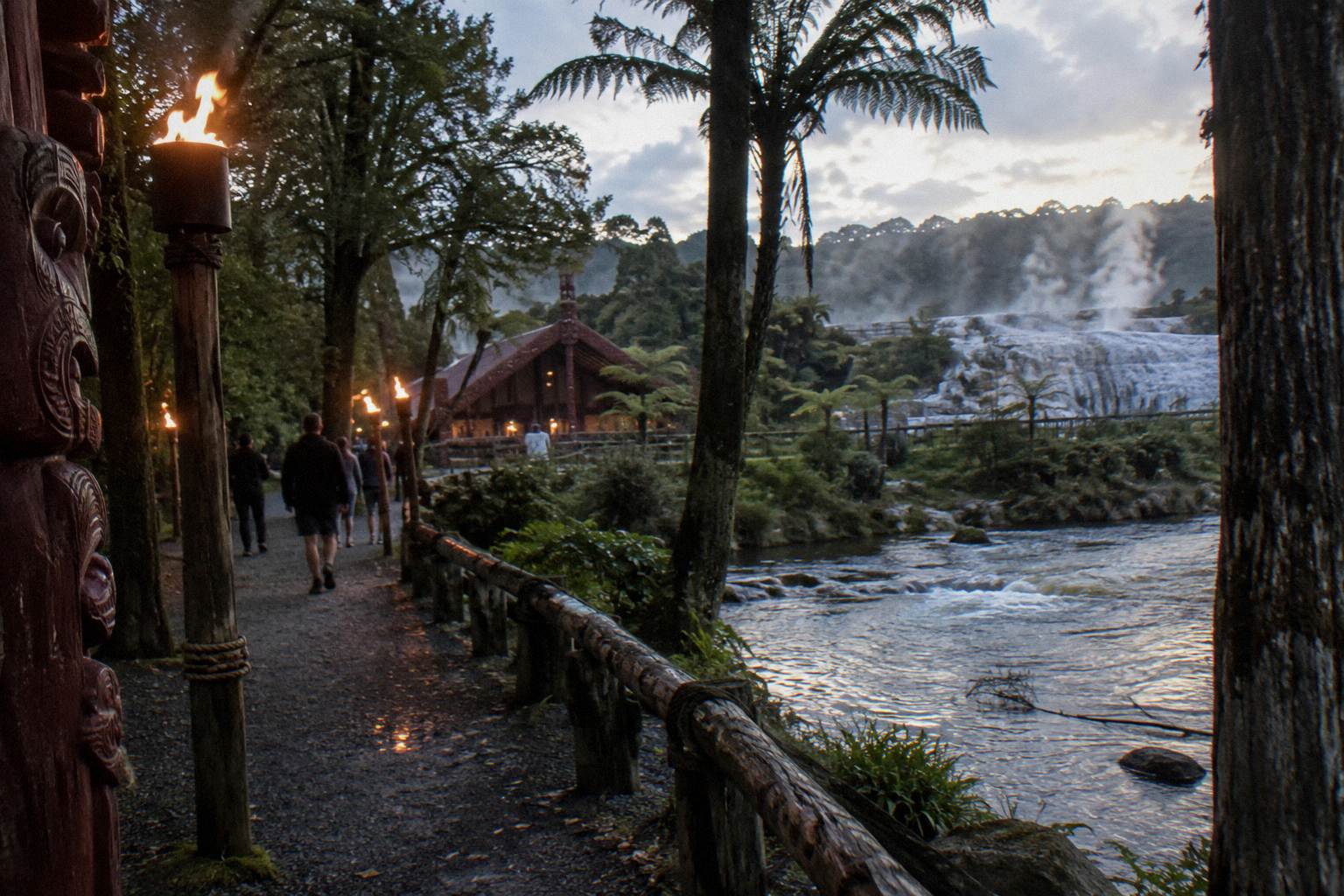
Consider three travellers. A couple with a rental car can pick any of the evenings on programme and price alone, parking free at Mitai or Te Puia and riding the coach to Te Pā Tū. A solo traveller without a car staying at a hostel not on Mitai's registered list faces a taxi each way to Fairy Springs Road or an easier evening at Te Puia on the City Ride bus. A family of four with young children might value Te Pā Tū's included coach, since it removes two car-seat decisions and a parking arrival, though Mitai's child pricing and limited highchairs ask their own questions at booking.
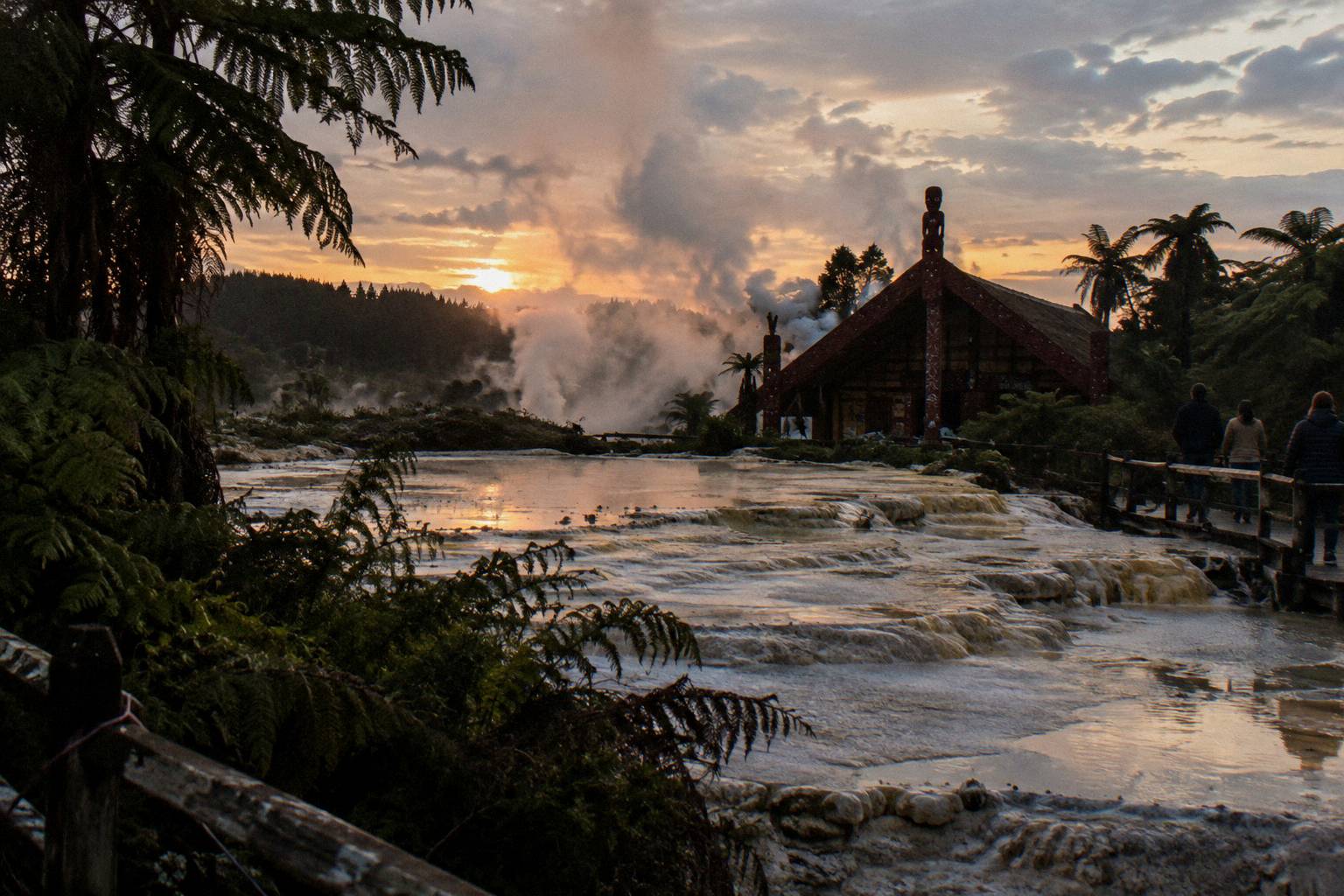
None of this ranks the evenings culturally. Each operator describes its own welcome, performance and feast, and those descriptions belong to the operators. What transport decides is logistics: who drives, who walks, and who waits for a shuttle. Get that right and the evening itself, the hāngī, the waka on the Wai-o-Whiro Stream at Mitai, the forest amphitheatre at Te Pā Tū, the carved meeting house at Te Puia, is what remains in the memory of the night.
Common Questions About Getting To Mitai Māori Village
Where Is Mitai Māori Village And How Do You Get There?
Mitai Māori Village is at 196 Fairy Springs Road, Fairy Springs, Rotorua 3015. You can drive and use the free on-site parking, book the complimentary transfer from registered accommodation, limited in number and closed at capacity, or arrive by taxi or ride share. The operator's phone number is +64 7 343 9132.
Does Mitai Māori Village Have Parking?
Yes. The operator states there is free on-site parking at the Fairy Springs Road address. No booking for a space is mentioned on the operator's pages.
Is The Mitai Transfer Free?
The operator states transfers from registered accommodation are complimentary, but numbers are limited, the transfer must be booked, and it closes at capacity. Ask at booking whether your accommodation is registered and a seat is available.
What Time Does The Mitai Evening Start?
The start time is not on the operator's public pages; it is set in the booking widget. Note the time from your booking confirmation rather than relying on a searched figure.
Can You Get To Mitai Without A Car?
Yes, via the booked transfer from registered accommodation or by taxi and ride share to 196 Fairy Springs Road. The operator publishes no bus route to the village.
Is Mitai Wheelchair Accessible?
Partly. The operator notes some wheelchair limits on the forest walk portion of the evening. Ask the operator directly about your requirements before booking.