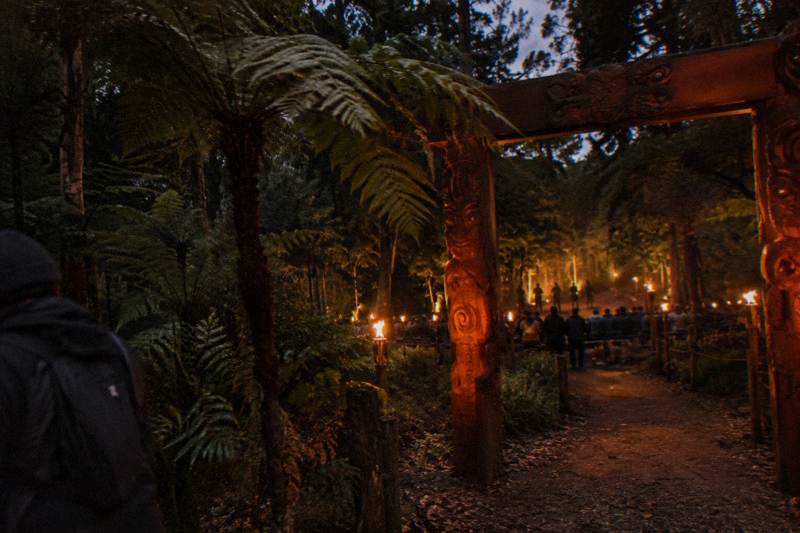
Tamaki Māori Village: What The Evening Experience Offers
Tamaki Māori Village still appears in searches, hotel leaflets and old reviews, but the name belongs to an experience that has since been renamed Te Pā Tū. This guide sets out what the evening actually offers now, what changed, and how to decide between it and the other Māori dinner evenings in Rotorua.
Short answer
Tamaki Māori Village is the former name of Te Pā Tū, a forest pā a short coach ride south of central Rotorua. It runs two seasonal dinner evenings: Tū Te Rā in summer, about 3.5 hours, adult NZD 290, and Tū Te Ihi in winter, about 3 hours, adult NZD 280, both with return coach transport from central Rotorua included.
Tamaki Māori Village no longer belongs to a live product. The experience was renamed Te Pā Tū, and the village behind it is the same forest pā a short coach ride south of central Rotorua. What changed is the format: the evening now runs as two distinct seasonal experiences, Tū Te Rā in summer and Tū Te Ihi in winter, each with its own welcome ceremony, food service and performance structure.
That rename is the single most useful thing to understand before you book, because search results, older articles and even a legacy lunch title still circulate under the Tamaki name. This guide explains what the evening offers now, what each season includes, what the operator charges, and how the evening sits beside the other Māori dinner options in Rotorua.
Is Tamaki Māori Village Still Open Under That Name?
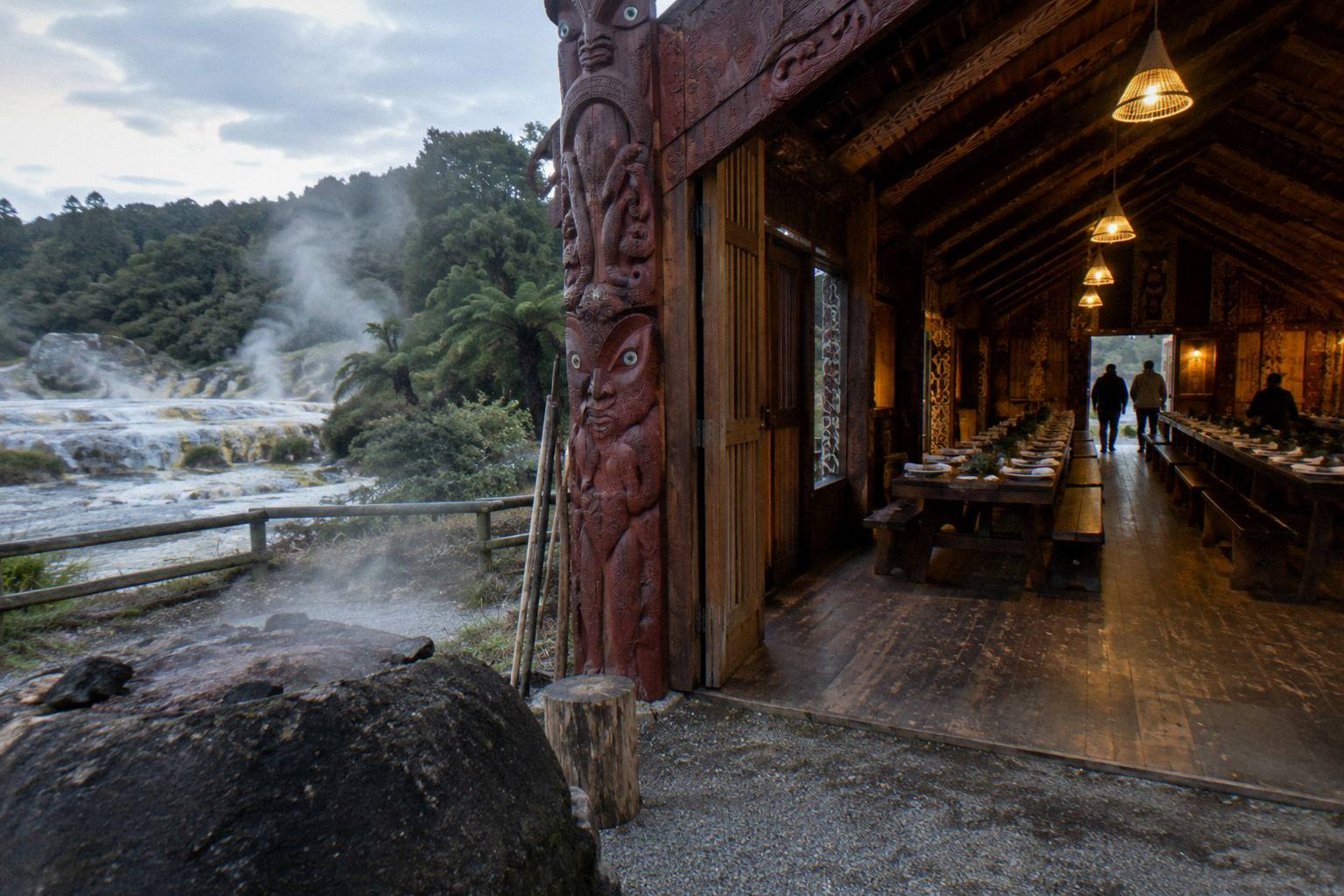
Yes, Tamaki Māori Village is still operating, but it no longer goes by that name: the experience has been renamed Te Pā Tū. The village itself, a forest pā set in tawa forest south of central Rotorua, is the same venue, so anyone who visited under the old name would recognise the setting. Two things trip people up. First, a legacy "Tamaki Māori Village Interactive Lunch Experience" title still appears in search results. No lunch variant is confirmed on the current offer, so treat any lunch reference you come across as outdated. Second, the address that appears in business listings, 1220 Hinemaru Street, is an office, not the village, and the village address itself is not published at all.
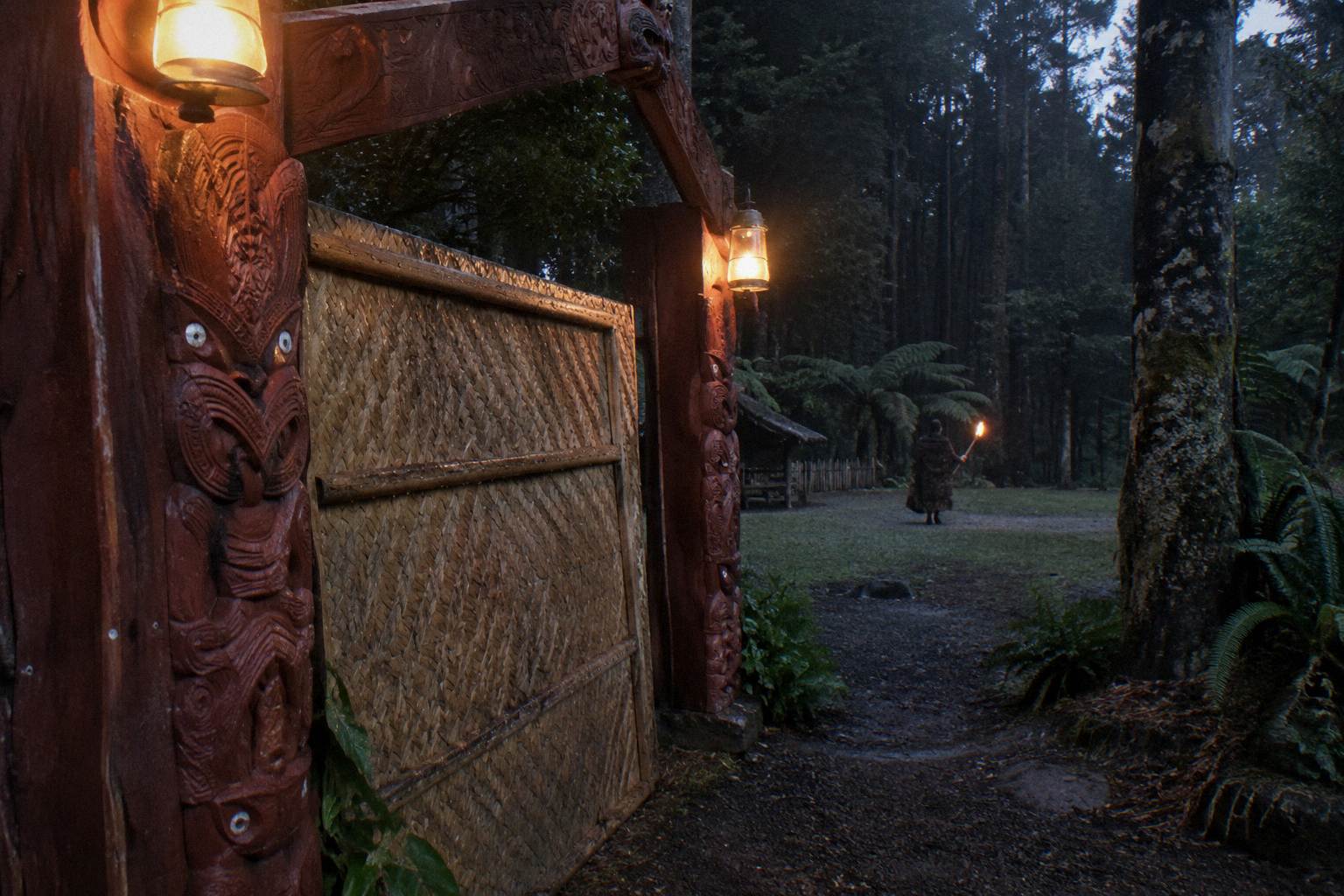
The rename is not a subtle rebrand buried in a footer. The operator, a Māori Cultural Experience owned and operated by Tauhara North No.2 Trust, presents the venue as Te Pā Tū across its own about page, and the two evening products carry Māori names that describe the season rather than the venue. If you arrive in Rotorua asking your hotel to book "Tamaki", most front desks will know what you mean, but the ticket you end up holding will say Te Pā Tū, and the format will depend on the month you visit.
That month matters more than most visitors expect. October through April you get the summer evening; May through September you get the winter one. They are not the same show in different clothing. The welcome ceremony differs, the performance setting differs, the food service differs, and even the running time differs by half an hour. Booking without knowing which season you are buying into is the most common way to end up surprised, and it is entirely avoidable. The next two sections set out each evening as the operator describes it.
What Happens On The Tū Te Rā Summer Evening?
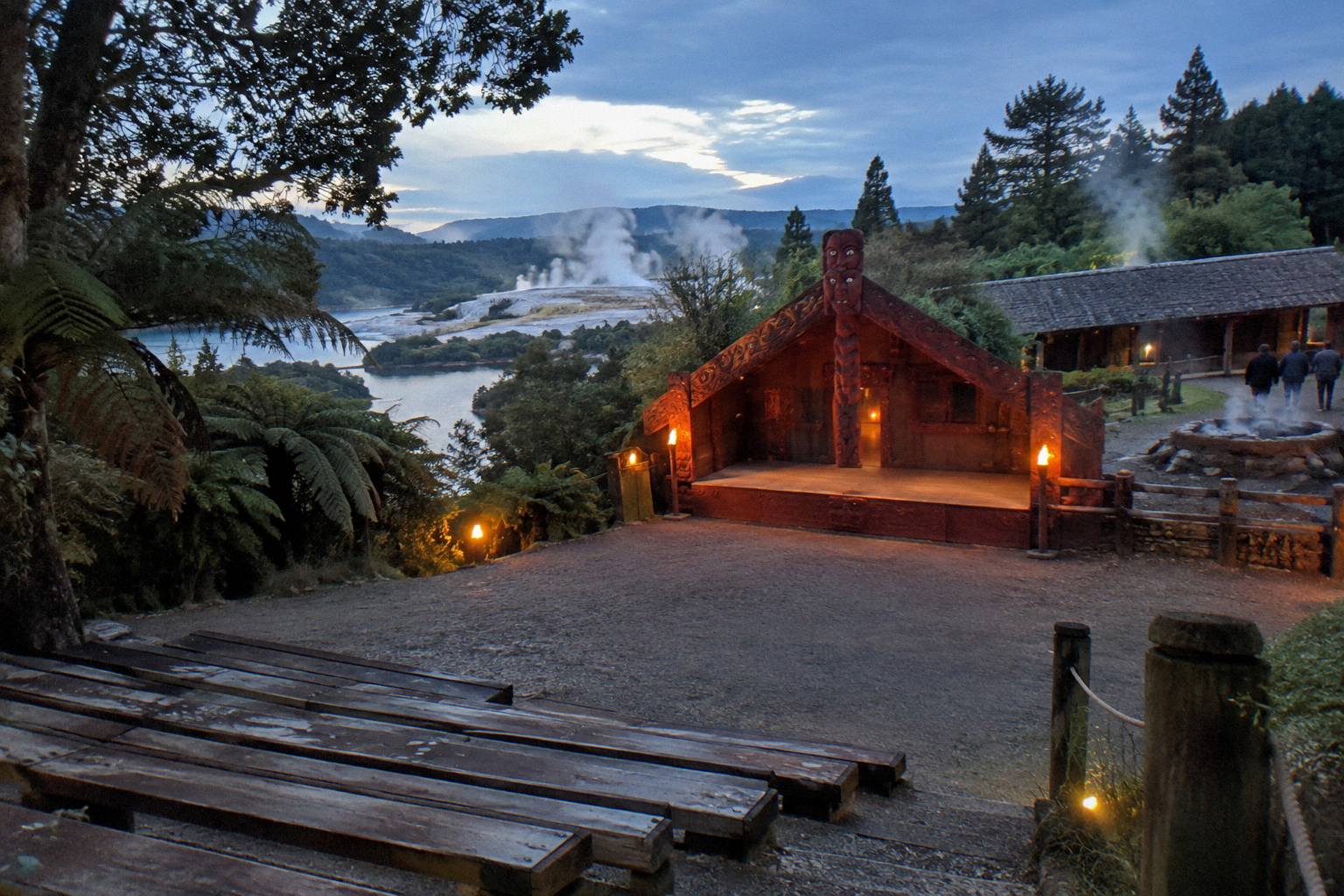
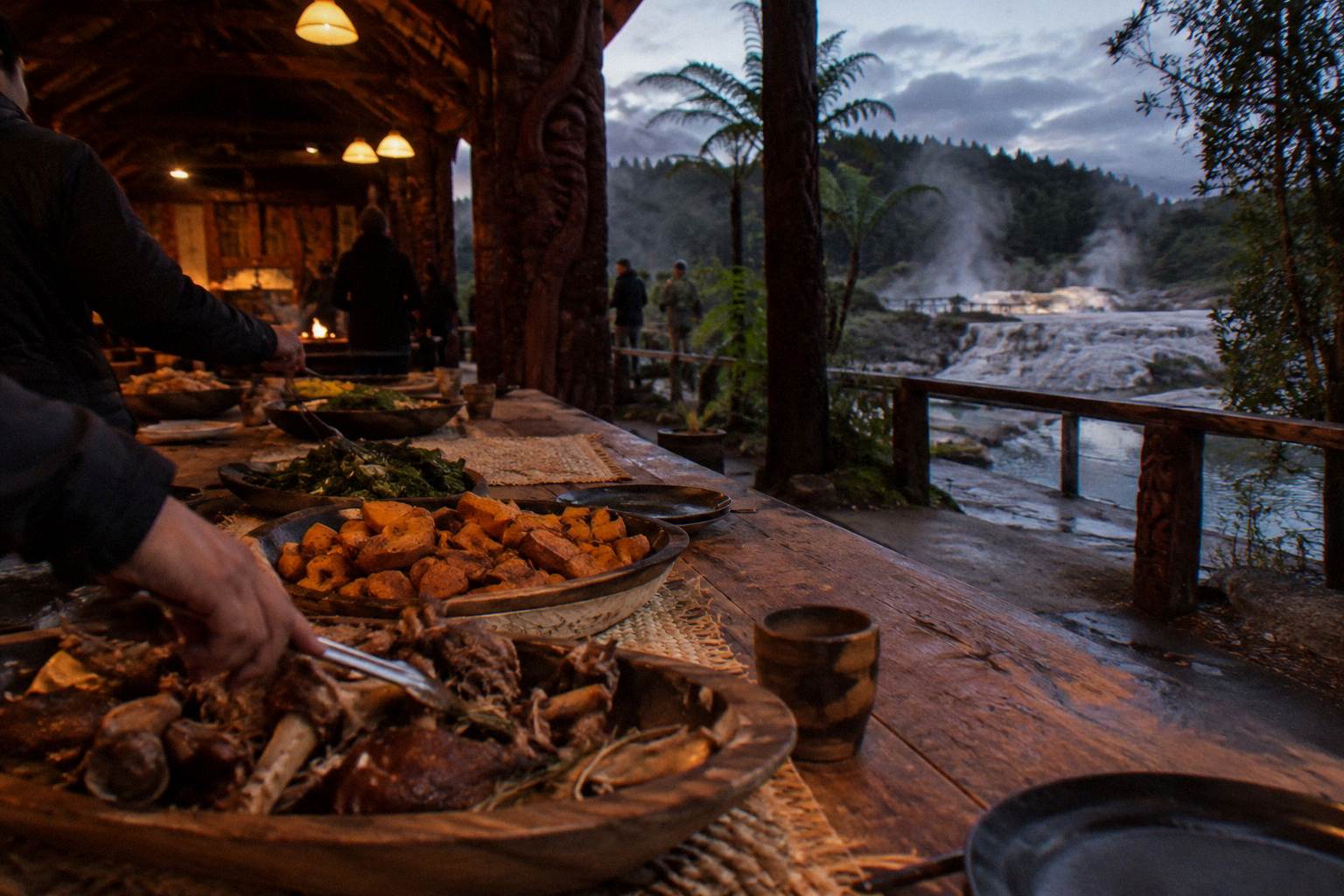
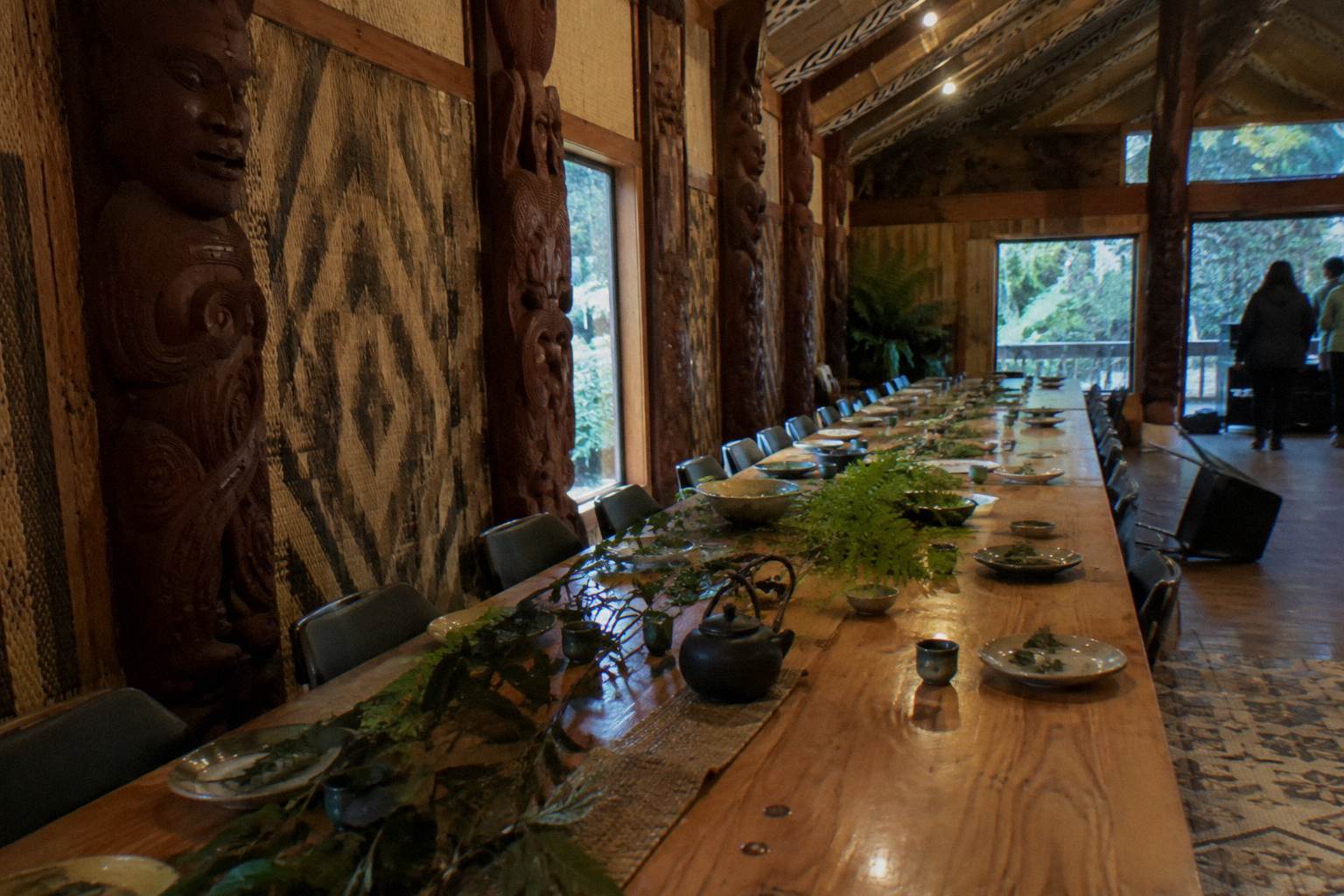
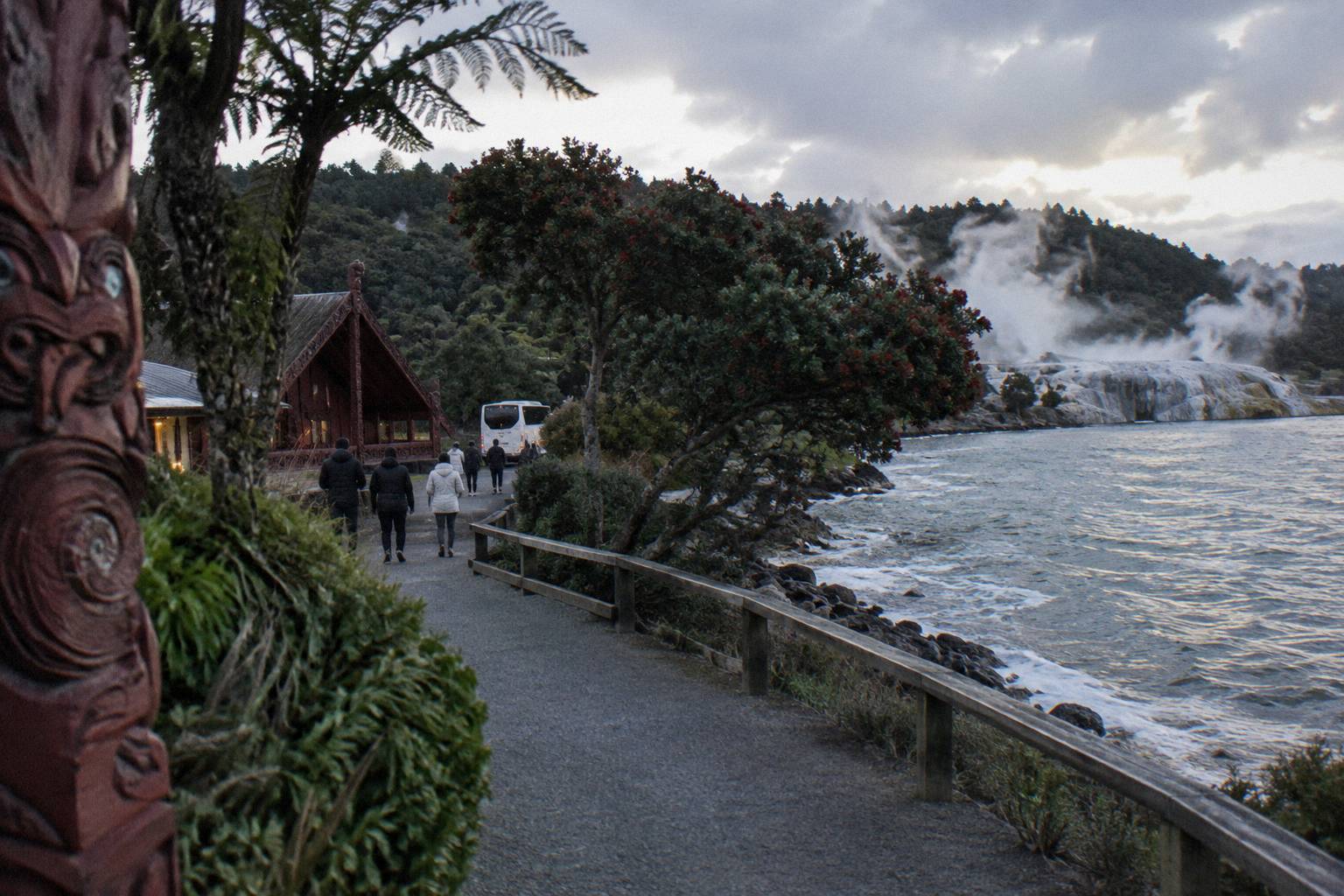
The summer evening, Tū Te Rā, runs about 3.5 hours from October to April and is built around a harvest theme: a haka pōhiri welcome on arrival, kapahaka in the forest amphitheatre Tūāpapa, forest canapés, the hāngī lifting and a spit roast viewed in the open, then a three-course seasonal feast in the wharekai, with a complimentary digestif and rongoā herbal tea. Return transport from central Rotorua is included. The operator frames the evening as celebrating the harvest and exploring concepts, rituals and stories of ancient Māori warfare and peace, relayed through haka, song and drama.
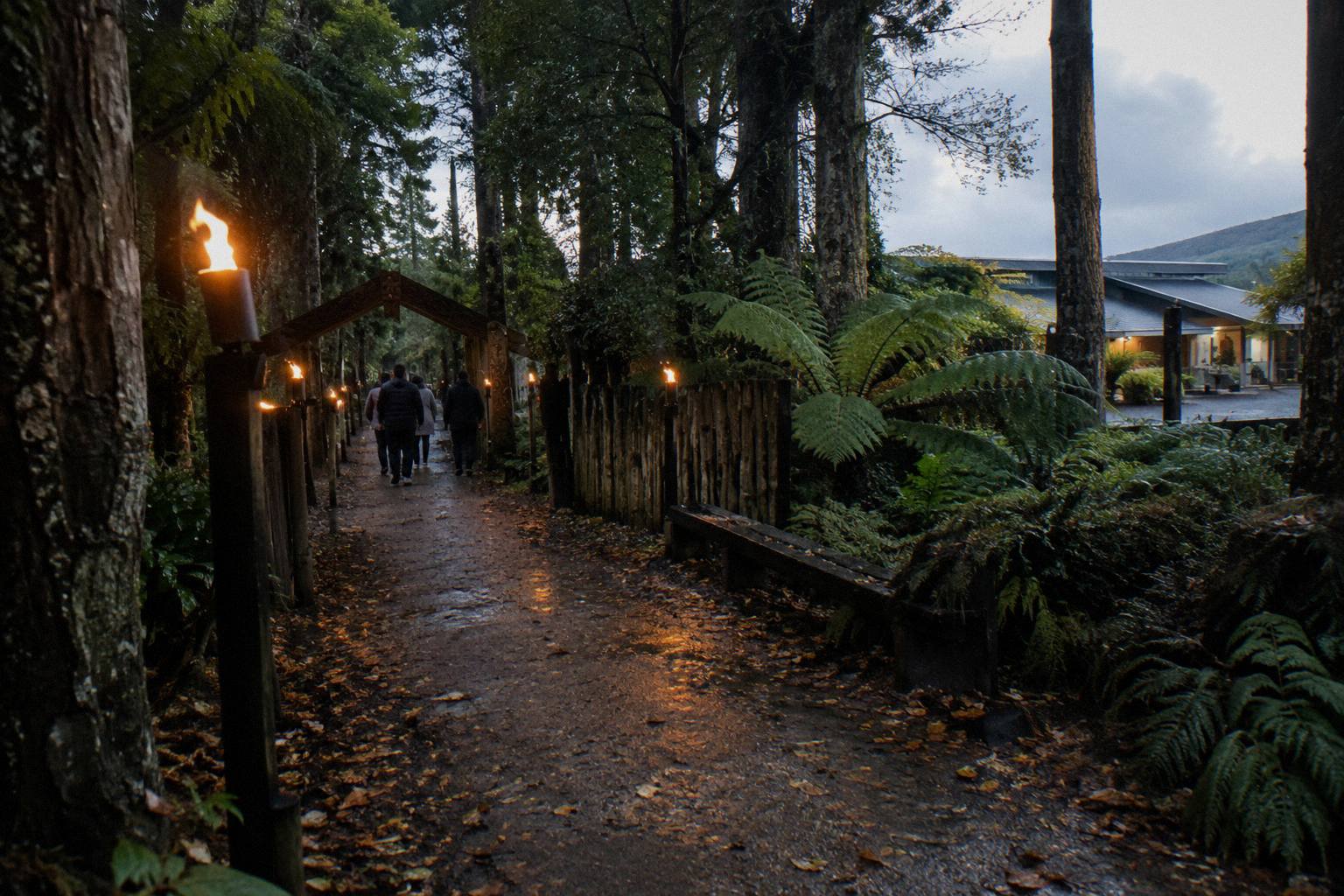
Reading that sequence in order helps you plan the night. The coach from central Rotorua delivers you into the forest pā, and the evening opens there. The kai horotai, the operator's summer canapé service, lists examples such as pāua wonton, kawakawa leaf filled with prawn, hāngī root-vegetable croquette and kūmara crisp with venison. The hāngī lifting and the spit roast happen in view of guests, which is the moment the earth oven becomes something you watch rather than a word on a menu. The torchlight walk to the feast follows.
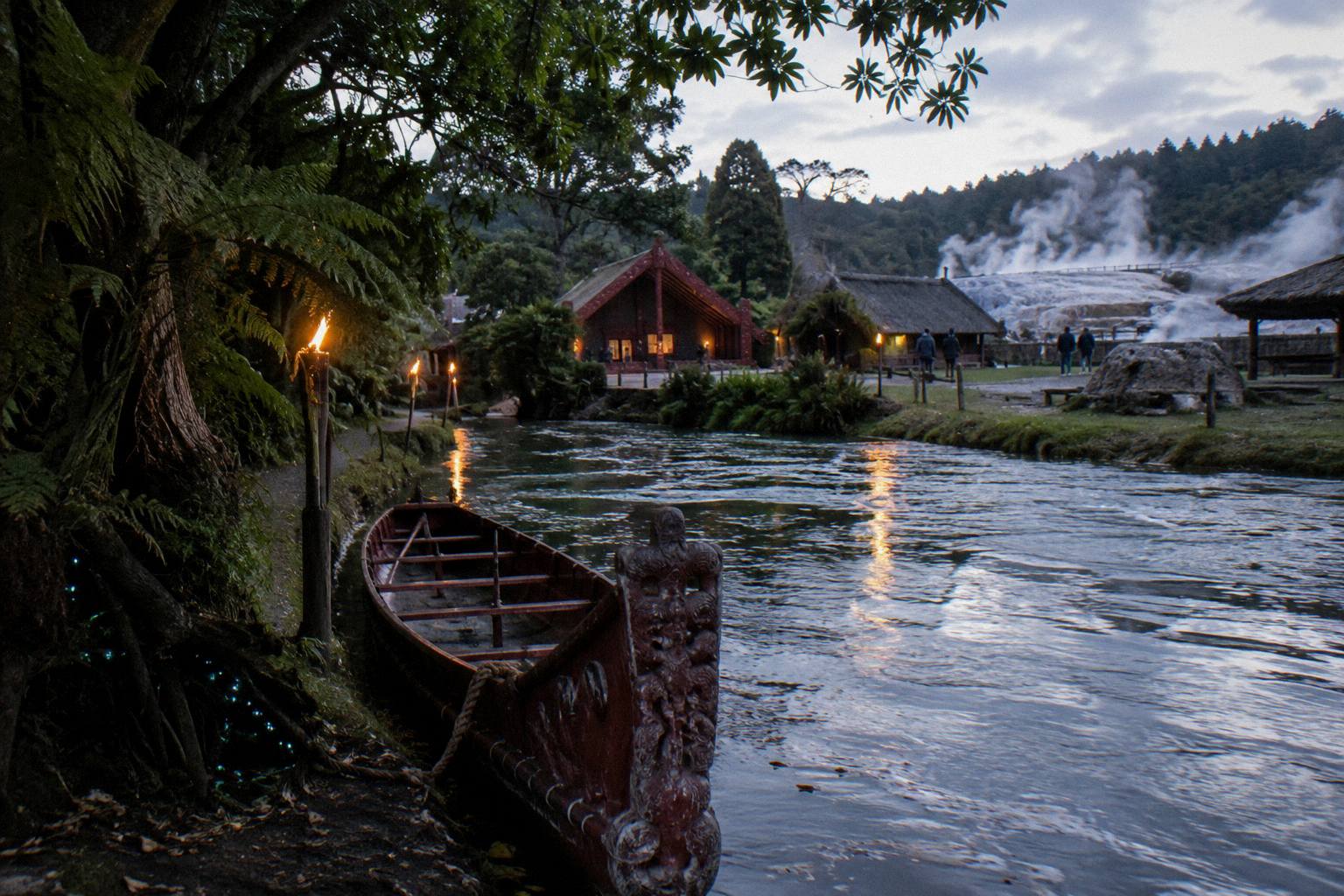
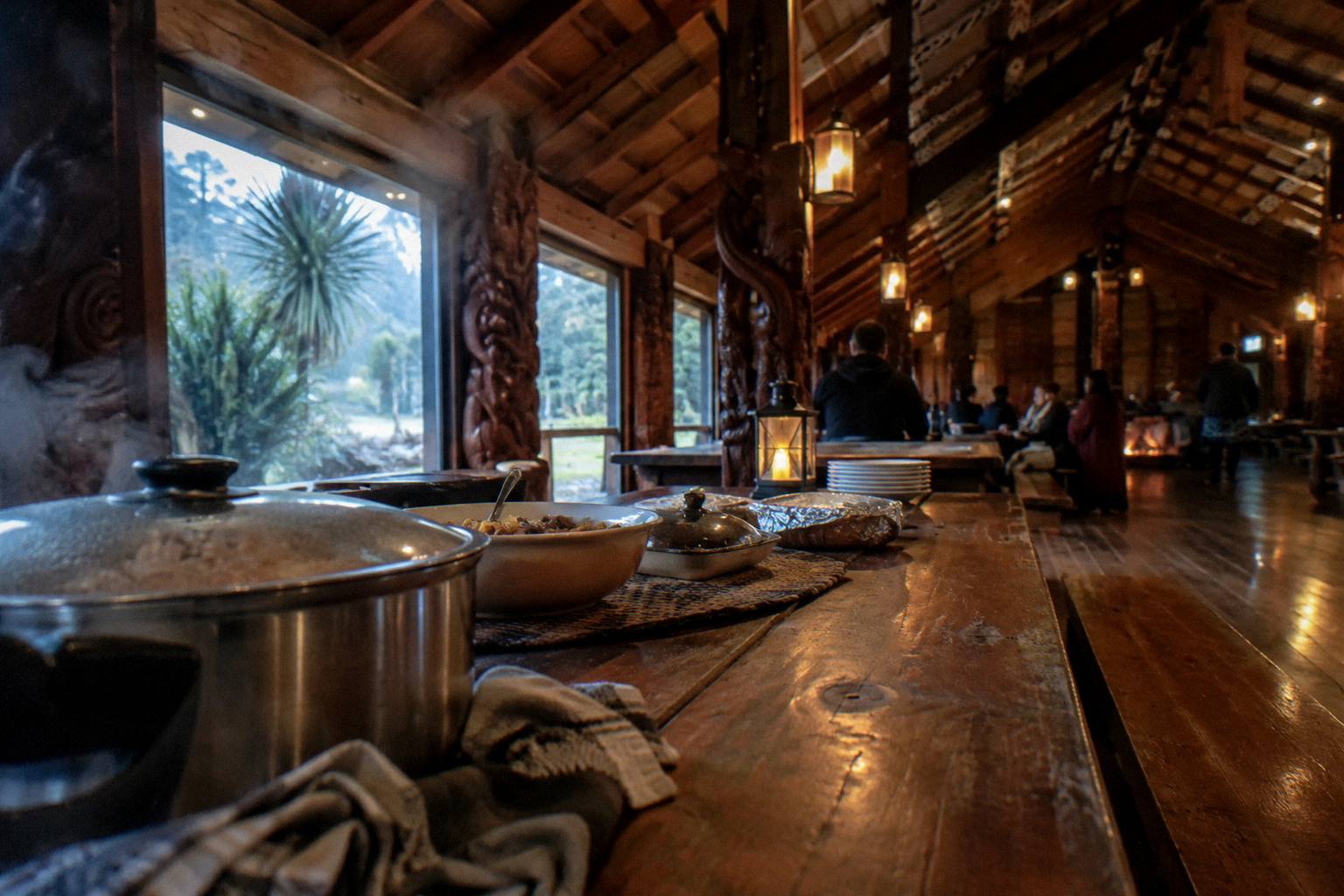
The three-course seasonal feast in the wharekai is described by the operator as blending traditional and innovative dishes by Māori chefs, a step beyond a standard buffet in structure even though the ingredients are rooted in hāngī cooking. A licensed bar operates with a Māori wine pairing and non-alcoholic pairings available. Prices for the summer evening are adult NZD 290 and child NZD 125, the operator's own figures, and the evening is rated 4.8 out of 5 on its booking page.
If you are weighing the summer evening against the other dinner shows in town, the honest distinction is structure. Mitai's dinner is a buffet with a stream-side waka paddle and an evening bush walk attached, about 3 hours. Te Puia's Te Pō is shorter still, about 2.5 hours from 5:30pm, centred on a 45-minute performance in a carved meeting house and a hāngī buffet with geyser-terrace views. The Te Pā Tū evening is the longest and the most choreographed of the three, and it is the only one with transport from central Rotorua included as standard. More on the full comparison later.
What Happens On The Tū Te Ihi Winter Evening?
The winter evening, Tū Te Ihi, runs about 3 hours from May to September and opens with an Ahi Tuku fire ceremony, followed by kai horotai, a hearty broth and steaming kawakawa tea, fireside wānanga covering conversation, history, games, instruments and traditions, kapahaka, then a Matariki-inspired Māori fusion feast served family style with traditional in-ground hāngī of lamb and vegetables, an aperitif and rongoā tea, closing with a poroporoaki farewell. Coach transfers from central Rotorua are included, and adult prices are NZD 280, child NZD 115.
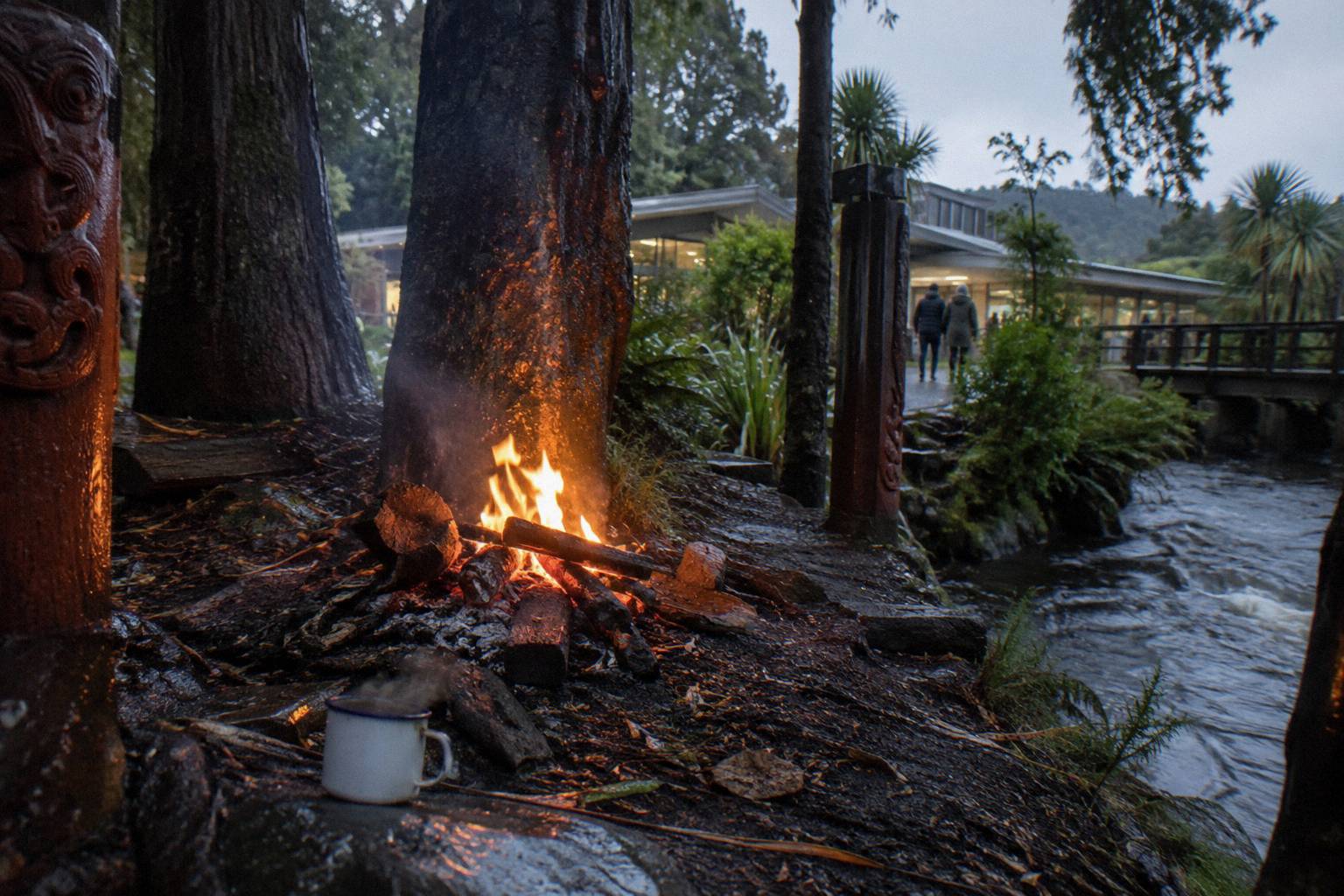
The winter format leans on fire and gathering rather than the amphitheatre. The operator sets Tū Te Ihi in 1800s Aotearoa, between the 1840 Treaty of Waitangi and the 1886 Mt Tarawera eruption, and that framing shapes the evening's storytelling. The wānanga, a fireside session, is the piece that differs most from the summer night: instead of a staged performance watched from seating, the operator describes conversation, history, games, instruments and traditions shared around the fire, with kapahaka woven across the service.
The feast is a different construction too. Where summer runs three courses in the wharekai, winter serves a Matariki-inspired fusion feast family style, with the in-ground hāngī, lamb and vegetables, at its centre. The winter page also carries practical details that matter to families: children are welcome, the operator lists vegetarian, pescatarian and gluten free options, and notes it cannot guarantee coeliac safety; the site is described as wheelchair and buggy accessible. Full details on dietary needs and children sit later in this guide, with the prices and terms below them.
If winter travel is when you visit, the price gap with the other operators narrows slightly: the winter evening at NZD 280 adult sits between Te Puia's Te Pō at NZD 203 and the Te Puia Te Pō Combo at NZD 290.
How Much Does The Evening Cost And What Do The Terms Say?
Te Pā Tū's operator price is NZD 290 adult and NZD 125 child for the summer evening Tū Te Rā, and NZD 280 adult and NZD 115 child for the winter evening Tū Te Ihi, with children welcome and no published minimum child age. The cancellation terms are the operator's own: a 100 percent refund if you cancel two days before by 12.00pm, 50 percent if cancelled one day before by 12.00pm, and nothing on the day. Booking and bank fees are not refunded, and if the operator cancels, you receive a full refund if no rebooking is possible.
| Evening | Season | Adult NZD | Child NZD | Duration | Transport |
|---|---|---|---|---|---|
| Tū Te Rā | October to April | 290 | 125 | About 3.5 hours | Return coach from central Rotorua included |
| Tū Te Ihi | May to September | 280 | 115 | About 3 hours | Return coach from central Rotorua included |
One wrinkle worth knowing: the operator's homepage says "four hours of celebration and feasting" while the two product pages say 3.5 hours for summer and 3 hours for winter. Neither figure is wrong so much as measuring differently, and the safe way to plan is "about 3 to 3.5 hours" plus the coach ride. If a babysitter or a restaurant booking hinges on the exact end time, ask when booking: the operator takes questions at 0508 826 254 or bookings@maoriculture.co.nz.
The terms also matter more than usual here because the refund clock is measured against midday, not midnight. Cancelling "two days before" means before 12.00pm two days out; miss that line and slide to the 50 percent tier. Terms on the booking page you use to reserve may differ from the operator's own terms, so read the cancellation wording at checkout before you pay rather than after. The operator's terms and conditions page carries the full detail.
The full tour page for the evening carries live dates and the current booking terms: Te Pā Tū cultural experience with dinner, and check availability if you already know your travel dates.
How Does Tamaki, Now Te Pā Tū, Compare With Mitai And Te Puia?
Mitai sits cheapest at NZD 188.34 for about 3 hours, while Te Puia Te Pō costs NZD 203, runs about 2.5 hours from 5:30pm, and is the shortest evening. Te Pā Tū is the longest and most expensive at NZD 280 in winter and NZD 290 in summer with the return coach from central Rotorua included, and the printed ratings stand at 4.8 for Te Pā Tū against 4.7 for both Mitai and Te Pō. Each is rated on its own page, 4.8 for Te Pā Tū and 4.7 for the other two, and ratings are not compared here beyond printing them.
| Evening | Adult NZD | Duration | Transfer | Food format |
|---|---|---|---|---|
| Te Pā Tū (summer Tū Te Rā) | 290 | About 3.5 hours | Return coach from central Rotorua included | Forest canapés, hāngī lifting, three-course feast |
| Te Pā Tū (winter Tū Te Ihi) | 280 | About 3 hours | Return coach from central Rotorua included | Fire ceremony, family style Matariki fusion feast with in-ground hāngī |
| Mitai Authentic Hāngi Dinner | 188.34 | About 3 hours | Limited complimentary transfer from registered accommodation, must be booked | Full buffet hāngī dinner, hāngī unveiling |
| Te Puia Te Pō | 203 | About 2.5 hours, from 5:30pm | None stated, self-arrival | Hāngī buffet in Pātaka Kai Restaurant and Bar |
The decision usually comes down to three things: budget, time and transport. Te Pā Tū wins on transport, since the coach is built into the ticket from central Rotorua, while Mitai's transfer is limited, tied to registered accommodation and must be booked before it closes at capacity, and Te Puia expects self-arrival at 20 Hemo Road, with the operator naming the City Ride bus, Uber and taxi, plus free parking. If you are staying outside the centre without a car, that difference alone can decide it.
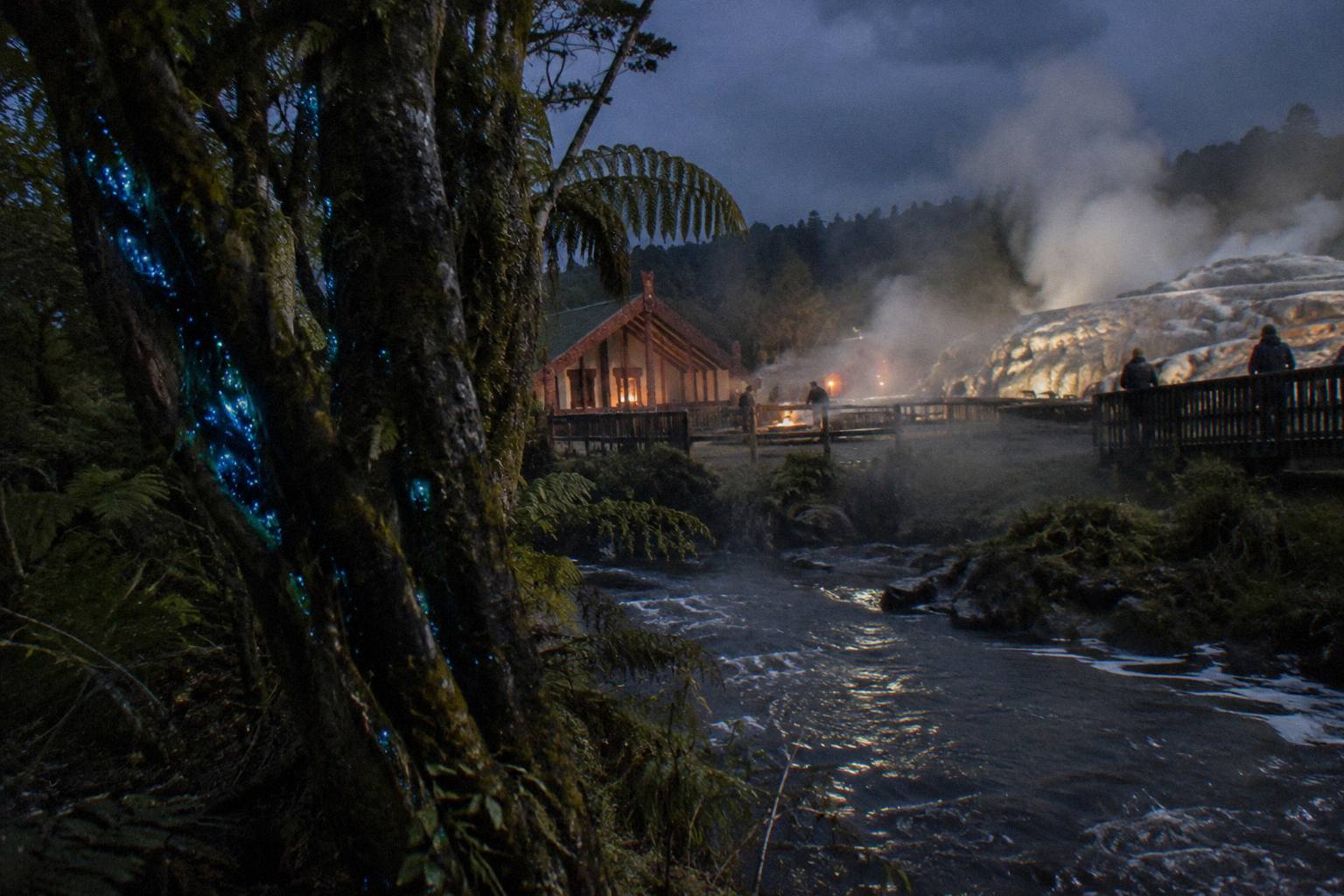
On structure, the three evenings are genuinely different products. Mitai's night includes a welcoming ceremony, the hāngī unveiling, warriors paddling a waka down the Wai-o-Whiro Stream, a cultural performance the operator lists as Pōwhiri, Wero, Waiata, Mōteatea, Poi and Haka, question time, and an evening bush walk to the old fortified village site and the sacred spring Te Puna Tapu o Tūhoe, with glow worms. Te Puia's Te Pō pairs its 45-minute performance in the carved meeting house Te Aronui a Rua with hot chocolate on the geyser terrace before the buffet. Te Pā Tū is the forest pā experience, with the seasonal formats described above. More on the wider field sits in the guide to Māori village evenings in Rotorua, and the three-way comparison is unpacked in Mitai vs Tamaki vs Te Pā Tū.
A word on the old name in that last comparison: older reviews and articles describe an evening format that no longer matches either seasonal product exactly. Treat any review written before the rename as describing the venue, not the current evening. The two current product pages, the summer harvest celebration page and the winter Matariki celebration page, are the primary sources for what each night contains.
How Do You Get To The Village Without An Address?
You do not need the address: the coach is the access. Te Pā Tū includes return transport from central Rotorua in the ticket, and the village, a forest pā in tawa forest a short coach ride south of the city, does not publish a street address, so self-driving is not the intended way to arrive. The 1220 Hinemaru Street address that appears in business listings is an office only. The evening start time is also not published; the operator confirms timing with ticket holders.
That arrangement is unusual among Rotorua attractions and worth internalising early. Mitai, by contrast, publishes a street address, 196 Fairy Springs Road, with free on-site parking, and runs limited complimentary transfers from registered accommodation that must be booked and close at capacity. Te Puia sits at 20 Hemo Road in Whakarewarewa with free parking and the City Ride bus option. Te Pā Tū alone is a coach-in, coach-out evening, which simplifies the night considerably for anyone without a car, and removes any parking question entirely.
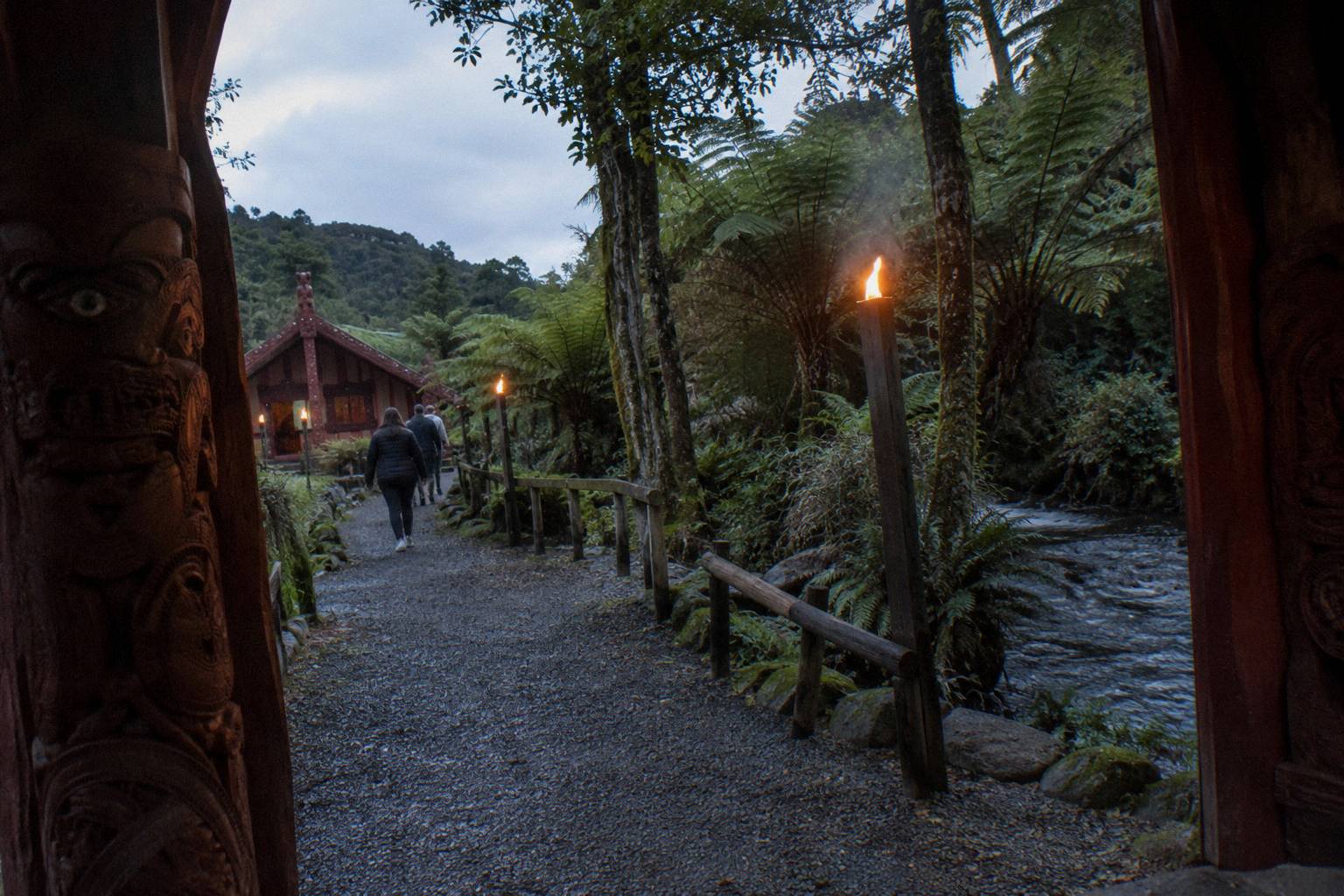
Practically, plan your pickup around where you are staying in central Rotorua, and confirm the pickup point when the operator confirms your booking. Because the start time is not published, do not schedule a hard commitment immediately after the evening; "about 3 to 3.5 hours" plus transfers is the honest planning window. The details of transport across all the cultural evenings, including the Mitai shuttle's limits, are covered in full in pickup and transport to Rotorua cultural evenings.
What About Dietary Needs, Children And Accessibility?
The winter page lists vegetarian, pescatarian and gluten free options and states it cannot guarantee coeliac safety; vegan options are not stated, so ask the operator at booking. Children are welcome at NZD 125 in summer and NZD 115 in winter, with no published minimum age, and the winter page describes the site as wheelchair and buggy accessible. A licensed bar operates with Māori wine pairing and non-alcoholic pairings.
Dietary needs deserve the earliest possible conversation, not a mention at the door. The operator's stated options cover the three most common requirements on the winter page, but coeliac safety is explicitly not guaranteed, and vegan is simply not stated. The reliable path is email, bookings@maoriculture.co.nz, before booking, so the kitchen knows in advance. For comparison, Mitai says it is unable to cater to all dietary needs such as vegan, though some requests could be met, and Te Puia's dietary options are not stated at all.
| Need | Te Pā Tū (operator-stated) | Mitai (operator-stated) | Te Puia |
|---|---|---|---|
| Vegetarian | Listed, winter page | Some requests could be met | Not stated |
| Pescatarian | Listed, winter page | Not stated | Not stated |
| Gluten free | Listed, coeliac safety not guaranteed | Not stated | Not stated |
| Vegan | Not stated | Unable to cater to all needs such as vegan | Not stated |
Children are welcome across the evenings, with the pricing differences worth noting: Mitai's child rate covers ages 4 to 13 with its adult rate from 14, Te Puia has under 4s free per the booking page with the child price not stated, and Te Pā Tū's child price is NZD 125 summer and NZD 115 winter with no published minimum age. Highchairs at Mitai are limited. Families weighing the whole question should read a Māori cultural evening with kids, and anyone with specific dietary needs will find the fuller picture in vegetarian and dietary options at a hāngī dinner.
What Trips People Up When Booking The Renamed Evening?
Most booking mistakes come from three habits: searching under the event's old name and landing on outdated formats, assuming a single evening works the same across every season, and misreading the midday cancellation cutoff. Checking the current name, confirming the date's seasonal details, and noting exactly when the cutoff applies will keep the reservation on track. A fourth catches families: the minimum child age is not published, so confirm it before booking if your children are very young. A fifth catches anyone comparing prices in a hurry, because the two seasonal evenings carry different prices and different durations, and reviews written before the rename describe neither. Each of these is a five-minute fix if you know it exists, and each has caught visitors who booked without checking.
The old-name problem is the widest. Articles, forums and a legacy lunch title still circulate as "Tamaki Māori Village", and some describe formats that predate the seasonal split. The fix is to treat the operator's two seasonal pages as the source of truth and anything older as history. The season problem follows directly: book Tū Te Rā expecting the winter fire ceremony, or Tū Te Ihi expecting the amphitheatre, and the evening will not match the description you read. Check your travel month against the October to April and May to September windows first.
The cancellation cutoff is a timing trap rather than a knowledge one. The 100 percent refund needs cancellation two days before by 12.00pm; the 50 percent tier is one day before by 12.00pm. If your plans might shift, set a phone reminder for midday three days out. Finally, read the terms at checkout: the booking page used to reserve may carry terms that differ from the operator's own, and the difference only matters when something goes wrong. What the evening itself is worth, in the round, is a fair question with a fuller answer in the guide to the Māori experience in Rotorua.
A practical worked example ties it together. A couple visiting in January books the summer evening at NZD 290 each, stays in central Rotorua so the included coach covers transport, emails ahead about a gluten free meal, and sets a midday reminder three days before in case plans change. The same couple in July books winter at NZD 280 each and packs warm layers for the fire ceremony and the coach. Neither evening has a published start time, so both confirm timing with the operator after booking. That is the whole planning problem, solved in one paragraph.
Common Questions About Tamaki Māori Village
Is Tamaki Māori Village Still Open?
Yes, under its renamed identity, Te Pā Tū. The village, a forest pā south of central Rotorua, is the same venue. The current offer is two seasonal dinner evenings, not a lunch.
What Is The Difference Between Tamaki Māori Village And Te Pā Tū?
None in substance: Tamaki Māori Village is the former name of what is now Te Pā Tū. The rename came with two seasonal evening formats, Tū Te Rā in summer and Tū Te Ihi in winter, replacing the single format older reviews describe.
How Much Does The Te Pā Tū Evening Cost?
The operator's price is NZD 290 adult and NZD 125 child for the summer evening Tū Te Rā, and NZD 280 adult and NZD 115 child for the winter evening Tū Te Ihi. Prices are the operator's own and can change; the ticket includes return coach transport from central Rotorua.
Does Tamaki Māori Village Offer A Lunch Experience?
A legacy "Tamaki Māori Village Interactive Lunch Experience" title still appears in search results. No lunch variant is confirmed on the current offer. Te Pā Tū's current offer is its two seasonal dinner evenings. For a daytime cultural visit, Whakarewarewa The Living Māori Village runs tours from 9am to 3pm with a 12.30pm performance, and has no evening dinner.
What Time Does The Evening Start?
The evening start time is not published. Te Pā Tū confirms timing with ticket holders; ask when booking via 0508 826 254 or bookings@maoriculture.co.nz. Do not use the "5.00pm show only" line on the operator's Taupō combo page, which refers to a different product.
Can I Get To The Village Without The Coach?
The intended access is the included return coach from central Rotorua. The village address is not published, and the 1220 Hinemaru Street address in business listings is an office only, so self-driving to the pā is not a supported option.